
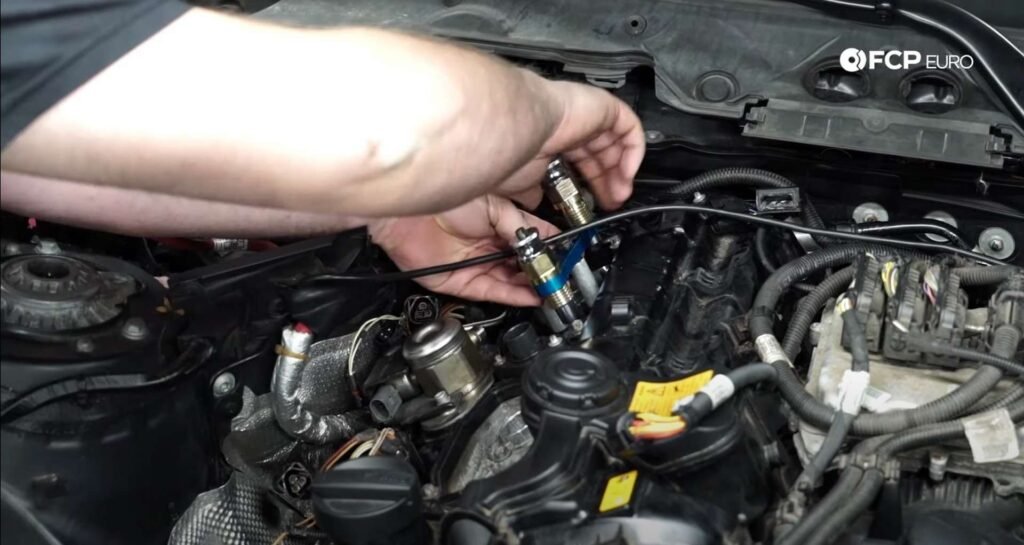
Fuel Injector Replacement Service: A Comprehensive Guide
Introduction
Fuel injectors are a critical component of modern internal combustion engines, responsible for delivering the precise amount of fuel into the combustion chamber at the right time. Over time, fuel injectors can become clogged, leaky, or fail entirely, leading to poor engine performance, reduced fuel efficiency, and increased emissions.
A fuel injector replacement service is often necessary to restore engine performance and prevent further damage. This guide covers everything you need to know about fuel injector replacement, including signs of failure, the replacement process, costs, and maintenance tips.
Table of Contents
-
What Are Fuel Injectors and How Do They Work?
-
Signs of a Failing Fuel Injector
-
Diagnosing Fuel Injector Problems
-
Fuel Injector Replacement Process
-
Cost of Fuel Injector Replacement
-
DIY vs. Professional Replacement
-
Fuel Injector Maintenance Tips
-
FAQs About Fuel Injector Replacement
-
Conclusion
1. What Are Fuel Injectors and How Do They Work?
Fuel injectors are electronically controlled valves that spray fuel into the engine’s intake manifold or directly into the combustion chamber. They ensure that the engine receives the correct air-fuel mixture for optimal combustion.
Types of Fuel Injectors:
-
Throttle Body Injectors (TBI): Older systems where fuel is injected above the throttle plate.
-
Port Fuel Injectors (PFI): Inject fuel into the intake ports near the intake valves.
-
Direct Injectors (GDI/DI): Spray fuel directly into the combustion chamber (common in modern engines).
How Fuel Injectors Work:
-
The Engine Control Unit (ECU) calculates the required fuel amount based on sensor inputs.
-
The injector opens for a precise duration, spraying a fine mist of fuel.
-
Fuel mixes with air and ignites in the combustion chamber.
When injectors malfunction, they can disrupt this process, leading to engine issues.
2. Signs of a Failing Fuel Injector
Recognizing the symptoms of a bad fuel injector can help prevent further engine damage. Common signs include:
A. Engine Misfires
-
Caused by uneven fuel distribution, leading to incomplete combustion.
-
Results in rough idling, hesitation, or jerking during acceleration.
B. Poor Fuel Economy
-
Clogged or leaking injectors disrupt the air-fuel ratio, reducing efficiency.
-
You may notice a sudden drop in miles per gallon (MPG).
C. Rough Idling or Stalling
-
Uneven fuel delivery causes inconsistent engine RPMs at idle.
-
In severe cases, the engine may stall.
D. Check Engine Light (CEL)
-
Faulty injectors trigger diagnostic trouble codes (DTCs) such as:
-
P0201-P0208 (Injector circuit malfunction)
-
P0171/P0174 (Lean fuel mixture)
-
P0300-P0308 (Random/Multiple cylinder misfires)
-
E. Fuel Smell or Leaks
-
A leaking injector can cause a strong gasoline odor.
-
Visible fuel around the injector or fuel rail indicates a leak.
F. Hard Starting or No Start Condition
-
If injectors are severely clogged, the engine may struggle to start.
3. Diagnosing Fuel Injector Problems
Before replacing injectors, proper diagnosis is essential to confirm the issue.
A. OBD-II Scanner Check
-
Retrieve trouble codes to identify which injector is faulty.
B. Fuel Pressure Test
-
Low fuel pressure may indicate a clogged injector or weak fuel pump.
C. Injector Balance Test
-
Measures flow rate to determine if an injector is underperforming.
D. Visual Inspection
-
Check for leaks, carbon buildup, or damaged wiring.
E. Resistance Test (Ohmmeter)
-
Measures the injector’s solenoid resistance (should match manufacturer specs).
4. Fuel Injector Replacement Process
Replacing a fuel injector involves several steps. Here’s a general guide:
Tools Needed:
-
Socket set & ratchet
-
Fuel line disconnect tool
-
New injectors & O-rings
-
Fuel-resistant grease
-
Torque wrench
-
Safety gloves & glasses
Step-by-Step Replacement:
Step 1: Relieve Fuel Pressure
-
Disconnect the fuel pump fuse/relay.
-
Start the engine and let it stall to depressurize the system.
Step 2: Disconnect the Battery
-
Prevent electrical shorts by disconnecting the negative terminal.
Step 3: Remove the Fuel Rail
-
Unbolt the fuel rail and carefully disconnect fuel lines.
-
Use a fuel line disconnect tool to avoid damage.
Step 4: Remove Old Injectors
-
Gently twist and pull injectors out of the rail/intake manifold.
-
Inspect for damage or carbon buildup.
Step 5: Install New Injectors
-
Lubricate new O-rings with fuel-resistant grease.
-
Insert injectors into the rail/manifold and secure properly.
Step 6: Reassemble & Test
-
Reconnect the fuel rail, lines, and electrical connectors.
-
Reconnect the battery and prime the fuel system (turn key to “ON” a few times).
-
Start the engine and check for leaks or misfires.
5. Cost of Fuel Injector Replacement
The cost varies depending on the vehicle and labor rates:
| Component/Service | Average Cost |
|---|---|
| Single Fuel Injector | $50 – $300 |
| Full Set (4 Injectors) | $200 – $1,200 |
| Labor (Mechanic) | $150 – $500 |
| Total Cost | $350 – $1,700 |
Note:
-
Luxury/performance vehicles may cost more.
-
Cleaning injectors (if possible) is cheaper (~$50-$150).
6. DIY vs. Professional Replacement
DIY Replacement:
✅ Pros:
-
Saves money on labor costs.
-
Good for experienced DIYers with proper tools.
❌ Cons:
-
Risk of fuel leaks if not done correctly.
-
May void warranty if improperly installed.
Professional Replacement:
✅ Pros:
-
Guaranteed workmanship (warranty on service).
-
Proper diagnostics & correct installation.
❌ Cons:
-
Higher cost due to labor charges.
7. Fuel Injector Maintenance Tips
To extend injector lifespan:
✔ Use Quality Fuel – Top-tier gasoline reduces deposits.
✔ Add Fuel Injector Cleaner – Periodic cleaning prevents clogs.
✔ Replace Fuel Filter Regularly – Prevents debris from reaching injectors.
✔ Avoid Running on Empty – Low fuel can cause injectors to overheat.
8. FAQs About Fuel Injector Replacement
Q: How often should fuel injectors be replaced?
A: They can last 80,000-100,000 miles but may fail earlier due to poor maintenance.
Q: Can I clean injectors instead of replacing them?
A: Yes, ultrasonic cleaning or fuel additives can help, but severely damaged injectors must be replaced.
Q: What happens if I don’t replace a bad fuel injector?
A: Can lead to engine damage, catalytic converter failure, and increased emissions.
9. Conclusion
Fuel injector replacement is a crucial service for maintaining engine performance, fuel efficiency, and emissions compliance. Recognizing the symptoms early and addressing them promptly can save you from costly repairs down the road. Whether you choose a DIY approach or professional service, ensuring proper installation and maintenance will keep your engine running smoothly for years to come.
If you suspect a fuel injector issue, consult a trusted mechanic for an accurate diagnosis and replacement.