
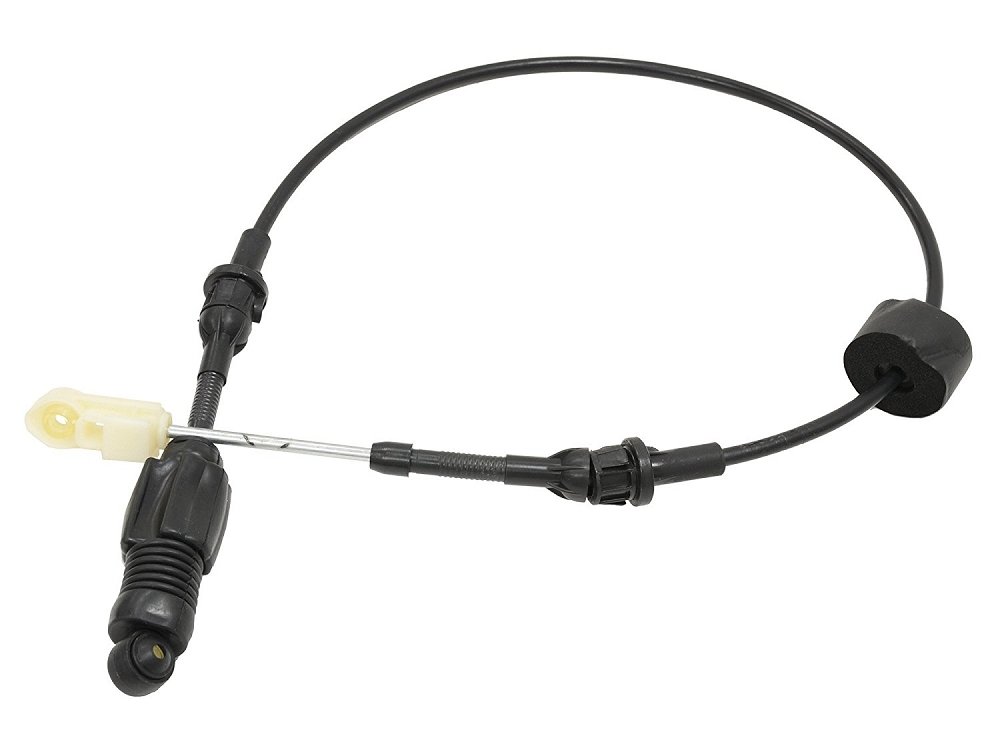
The transmission shift cable is a crucial component in both manual and automatic vehicles, linking the gear shifter to the transmission. Over time, this cable can wear out, stretch, or break, leading to shifting difficulties, gear slippage, or even complete failure to engage gears. When this happens, a transmission shift cable replacement service is necessary to restore proper gear shifting functionality.
In this comprehensive guide, we will cover:
-
What a Transmission Shift Cable Does
-
Signs of a Failing Shift Cable
-
Causes of Shift Cable Failure
-
Diagnosing a Bad Shift Cable
-
Transmission Shift Cable Replacement Process
-
Cost of Replacement
-
DIY vs. Professional Replacement
-
Preventive Maintenance Tips
-
Frequently Asked Questions (FAQs)
By the end of this article, you’ll have a thorough understanding of transmission shift cable issues and how to address them effectively.
1. What Does a Transmission Shift Cable Do?
The transmission shift cable (also called a gear shift cable or shift selector cable) is responsible for transmitting the driver’s gear selection from the shifter to the transmission.
-
In automatic transmissions, the cable connects the gear shifter (PRNDL) to the transmission’s shift lever.
-
In manual transmissions, it connects the gear stick to the transmission’s shift linkage.
A properly functioning shift cable ensures smooth and precise gear changes. If it fails, the vehicle may not shift correctly, leading to drivability issues or even safety hazards.
2. Signs of a Failing Transmission Shift Cable
Recognizing the symptoms of a bad shift cable can help prevent further transmission damage. Common signs include:
A. Difficulty Shifting Gears
-
Hard-to-move shifter (manual transmissions)
-
Shifter feels loose or sloppy
-
Gear lever gets stuck
B. Inability to Shift into Certain Gears
-
Shifter moves, but the transmission doesn’t engage
-
Vehicle only operates in one gear (e.g., stuck in Park or Neutral)
C. Incorrect Gear Indication
-
Shifter shows “Drive,” but the car is in “Neutral” or another gear
-
Dashboard gear indicator doesn’t match the actual gear
D. Grinding or Clunking Noises
-
Unusual sounds when shifting, indicating misalignment
E. Transmission Stuck in Park (Automatic Only)
-
Unable to move the shifter out of Park due to a broken or stretched cable
If you experience any of these symptoms, it’s best to have your shift cable inspected immediately.
3. Causes of Transmission Shift Cable Failure
Shift cables can fail due to several reasons:
A. Normal Wear and Tear
-
Over time, the cable’s inner lining wears out, leading to stretching or fraying.
B. Corrosion and Rust
-
Exposure to moisture and road salt can cause rust, making the cable stiff or brittle.
C. Physical Damage
-
Accidental impact, bending, or improper installation can weaken the cable.
D. Lack of Lubrication
-
A dry or unlubricated cable can bind and eventually snap.
E. Poor Adjustment
-
If the cable was improperly adjusted during a previous repair, it may fail prematurely.
4. Diagnosing a Bad Transmission Shift Cable
Before replacing the shift cable, a proper diagnosis is necessary:
Step 1: Visual Inspection
-
Check for visible damage, corrosion, or disconnection.
-
Inspect the cable housing for cracks or wear.
Step 2: Manual Movement Test
-
With the vehicle off, move the shifter—if it feels loose or doesn’t engage, the cable may be broken.
Step 3: Check Gear Engagement
-
Start the car and try shifting into different gears.
-
If the transmission doesn’t respond, the cable may be faulty.
Step 4: Adjust the Cable (If Applicable)
-
Some vehicles allow cable adjustment—if shifting improves after adjustment, the cable may not need replacement.
If these tests confirm a faulty shift cable, replacement is the next step.
5. Transmission Shift Cable Replacement Process
Replacing a shift cable varies by vehicle, but the general steps are:
A. Tools & Materials Needed
-
New shift cable (OEM or aftermarket)
-
Wrenches & sockets
-
Pliers & screwdrivers
-
Lubricant (if required)
-
Jack & jack stands (if working underneath)
B. Step-by-Step Replacement
Step 1: Disconnect the Battery
-
Prevent electrical issues by disconnecting the negative battery terminal.
Step 2: Access the Shift Cable
-
For automatic transmissions: Remove the center console or shifter cover.
-
For manual transmissions: Access may require removing interior trim.
Step 3: Detach the Old Cable
-
Unclip the cable from the shifter assembly.
-
Follow the cable to the transmission and disconnect it from the shift lever.
Step 4: Install the New Cable
-
Route the new cable the same way as the old one.
-
Secure it to the shifter and transmission linkage.
Step 5: Adjust the Cable (If Needed)
-
Some vehicles require precise adjustment for proper gear engagement.
Step 6: Reassemble & Test
-
Reinstall any removed panels.
-
Reconnect the battery and test the shifter in all gears.
6. Cost of Transmission Shift Cable Replacement
The cost depends on the vehicle make, model, and labor rates:
-
Parts: $50 – $200 (OEM cables cost more)
-
Labor: $100 – $300 (1-2 hours of work)
-
Total Estimated Cost: $150 – $500
Luxury or hard-to-access vehicles may cost more.
7. DIY vs. Professional Replacement
DIY Replacement
✅ Pros:
-
Saves money on labor
-
Good for experienced DIYers
❌ Cons:
-
Risk of improper installation
-
May require special tools
Professional Replacement
✅ Pros:
-
Guaranteed correct installation
-
Warranty on parts & labor
❌ Cons:
-
Higher cost
If unsure, consult a mechanic.
8. Preventive Maintenance Tips
To extend your shift cable’s lifespan:
✔ Lubricate the cable periodically (if applicable).
✔ Avoid forcing the shifter—gentle movements prevent damage.
✔ Check for corrosion and clean if necessary.
✔ Inspect during routine maintenance for early signs of wear.
9. Frequently Asked Questions (FAQs)
Q1: Can I drive with a broken shift cable?
-
No. A broken cable can leave you stranded or unable to shift.
Q2: How long does a shift cable last?
-
Typically 100,000+ miles, but depends on driving conditions.
Q3: Can a bad shift cable damage the transmission?
-
Yes. Forcing gears can harm synchronizers (manual) or valve bodies (automatic).
Q4: Is shift cable replacement covered under warranty?
-
Only if under manufacturer or extended warranty—check your coverage.
Conclusion
A failing transmission shift cable can severely impact your vehicle’s drivability. Recognizing the symptoms early and addressing them with a professional shift cable replacement service ensures smooth and safe gear shifting. Whether you choose a DIY approach or rely on a mechanic, timely replacement prevents further transmission damage.
If you suspect your shift cable is failing, schedule an inspection today to avoid costly repairs down the road!
Need a transmission shift cable replacement? Contact a trusted mechanic or transmission specialist in your area for expert service.