
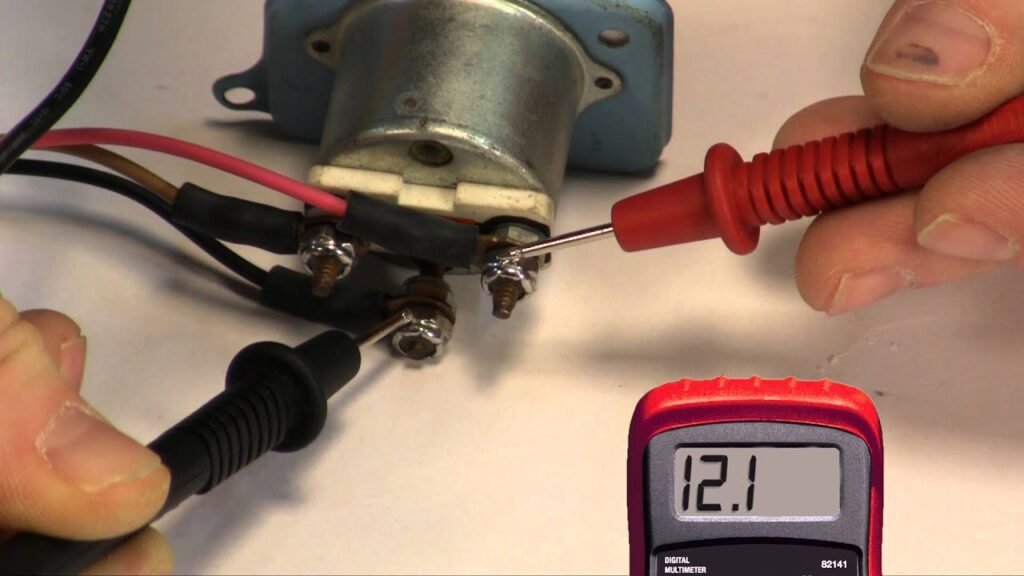
The fuel level sensor is a crucial component in your vehicle’s fuel system, responsible for measuring the amount of fuel in the tank and sending this information to the fuel gauge on your dashboard. When this sensor malfunctions, it can lead to inaccurate fuel readings, leaving you at risk of running out of gas unexpectedly.
Replacing a faulty fuel level sensor is essential for maintaining accurate fuel monitoring and ensuring a smooth driving experience. In this guide, we’ll cover everything you need to know about fuel level sensor replacement, including signs of a failing sensor, the replacement process, costs, and maintenance tips.
What Is a Fuel Level Sensor?
A fuel level sensor, also known as a fuel sending unit, is an electronic device that measures the amount of fuel in the gas tank. It works in conjunction with the fuel gauge to provide real-time fuel level readings.
How Does a Fuel Level Sensor Work?
Most fuel level sensors consist of:
-
A float arm (attached to a buoyant float) that moves up and down with the fuel level.
-
A variable resistor (potentiometer) that changes resistance based on the float’s position.
-
Wiring that transmits the signal to the fuel gauge.
As the fuel level changes, the float moves, altering the resistance in the circuit. This resistance change is converted into an electrical signal, which the fuel gauge interprets to display the correct fuel level.
Signs of a Failing Fuel Level Sensor
A malfunctioning fuel level sensor can cause several noticeable symptoms, including:
1. Inaccurate Fuel Gauge Readings
-
The fuel gauge shows empty when the tank is full.
-
The gauge stays on full even as fuel is consumed.
-
The needle fluctuates erratically between levels.
2. Sudden Drops or Spikes in Fuel Level
-
The gauge may drop abruptly even when fuel consumption is steady.
-
It may suddenly rise without refueling.
3. Check Engine Light Illuminates
-
A faulty sensor can trigger the check engine light with diagnostic trouble codes (DTCs) such as:
-
P0460 (Fuel Level Sensor Circuit Malfunction)
-
P0461 (Fuel Level Sensor Circuit Range/Performance Problem)
-
P0462 (Fuel Level Sensor Circuit Low Input)
-
P0463 (Fuel Level Sensor Circuit High Input)
-
4. Vehicle Stalls or Runs Out of Fuel Unexpectedly
-
If the sensor fails completely, the gauge may not warn you when fuel is critically low, leading to engine stalling.
5. Poor Fuel Economy Calculations
-
Modern vehicles use fuel level data for mileage calculations—a faulty sensor can distort fuel economy readings.
Causes of Fuel Level Sensor Failure
Several factors can lead to fuel level sensor failure:
1. Wear and Tear
-
Over time, the float arm can become stuck or corroded.
-
The potentiometer wears out due to constant resistance changes.
2. Electrical Issues
-
Corroded or damaged wiring disrupts signal transmission.
-
Blown fuses or faulty connectors affect sensor operation.
3. Contaminated Fuel
-
Dirty fuel or debris in the tank can clog the sensor.
-
Ethanol-blended fuels may accelerate corrosion.
4. Physical Damage
-
Impact from accidents or rough driving can bend or break the float arm.
-
Improper installation during previous repairs may cause misalignment.
Diagnosing a Faulty Fuel Level Sensor
Before replacing the sensor, proper diagnosis is essential to confirm the issue.
Step 1: Check the Fuel Gauge Behavior
-
Observe if the gauge is stuck, fluctuating, or showing incorrect readings.
Step 2: Inspect the Fuse and Wiring
-
Locate the fuel gauge fuse (refer to the owner’s manual) and test it.
-
Check for corroded, frayed, or disconnected wires near the fuel tank.
Step 3: Use an OBD-II Scanner
-
Scan for trouble codes related to the fuel level sensor (e.g., P0460-P0463).
Step 4: Test the Sensor’s Resistance
-
Use a multimeter to measure resistance across the sensor terminals.
-
Compare readings to manufacturer specifications (typically between 10-80 ohms).
Step 5: Inspect the Fuel Pump Assembly (If Applicable)
-
Many fuel level sensors are integrated into the fuel pump module—check for pump-related issues.
Fuel Level Sensor Replacement Process
Replacing a fuel level sensor can be complex, depending on the vehicle model. Below is a general guide:
Tools & Materials Needed
-
New fuel level sensor (OEM or aftermarket)
-
Socket set & wrenches
-
Jack stands & a floor jack
-
Fuel line disconnect tool
-
Safety gloves & goggles
-
Drain pan (for fuel)
-
Fire extinguisher (as a precaution)
Step-by-Step Replacement
1. Safety Precautions
-
Work in a well-ventilated area (gasoline fumes are hazardous).
-
Disconnect the negative battery terminal to prevent electrical shorts.
-
Relieve fuel system pressure (if applicable).
2. Drain the Fuel Tank (If Necessary)
-
Use a siphon pump to remove fuel before dropping the tank.
-
Some vehicles allow sensor access without draining (via rear seat or trunk panel).
3. Access the Fuel Level Sensor
-
Under-car access:
-
Raise the vehicle securely on jack stands.
-
Locate the fuel tank and remove any heat shields or brackets.
-
Disconnect fuel lines, electrical connectors, and vent hoses.
-
Support the tank with a transmission jack and unbolt it.
-
-
In-cabin access (some sedans & SUVs):
-
Remove the rear seat or trunk liner to expose the fuel pump/sensor assembly.
-
4. Remove the Old Sensor
-
Detach the locking ring (if present) using a special tool or hammer & punch.
-
Carefully lift out the fuel pump/sending unit assembly.
-
Disconnect the sensor wiring and remove the faulty sensor.
5. Install the New Fuel Level Sensor
-
Attach the new sensor to the assembly, ensuring proper alignment.
-
Reconnect all wiring and secure the locking ring.
6. Reassemble & Test
-
Reinstall the fuel tank (if removed) and reconnect all hoses/lines.
-
Reconnect the battery terminal.
-
Turn the ignition to ON (without starting) and check if the fuel gauge responds.
-
Add fuel and verify gauge accuracy.
Cost of Fuel Level Sensor Replacement
The cost varies depending on:
-
Vehicle make & model (luxury cars cost more).
-
Labor rates (dealership vs. independent shops).
-
Sensor type (standalone vs. integrated with fuel pump).
Estimated Costs:
| Component/Service | Cost Range |
|---|---|
| Fuel Level Sensor (Part Only) | $50 – $250 |
| Labor (1-3 Hours) | $100 – $400 |
| Total Replacement Cost | $150 – $650 |
Note: Some vehicles require a full fuel pump assembly replacement, increasing costs to $400 – $1,000.
DIY vs. Professional Replacement
DIY Replacement
✅ Pros:
-
Saves on labor costs.
-
Good for mechanically inclined individuals.
❌ Cons:
-
Risk of fuel spills or fire hazards.
-
Complex on some vehicles (e.g., requiring tank removal).
Professional Replacement
✅ Pros:
-
Expertise ensures correct installation.
-
Warranty coverage on parts & labor.
❌ Cons:
-
Higher cost due to labor charges.
Preventive Maintenance Tips
To extend the life of your fuel level sensor:
✔ Use high-quality fuel to reduce contamination.
✔ Avoid running on low fuel frequently (prevents sediment buildup).
✔ Inspect wiring periodically for corrosion or damage.
✔ Address check engine lights promptly to prevent further damage.
Conclusion
A faulty fuel level sensor can lead to unreliable fuel readings, leaving you vulnerable to unexpected breakdowns. Recognizing the symptoms early and replacing the sensor when necessary ensures accurate fuel monitoring and prevents costly repairs down the road.
Whether you choose a DIY approach or professional service, proper diagnosis and installation are key to restoring your vehicle’s fuel gauge functionality. Regular maintenance and using quality fuel can help prolong the sensor’s lifespan, keeping your fuel system in optimal condition.
If you suspect your fuel level sensor is failing, don’t delay—get it inspected and replaced to avoid being stranded with an empty tank!