
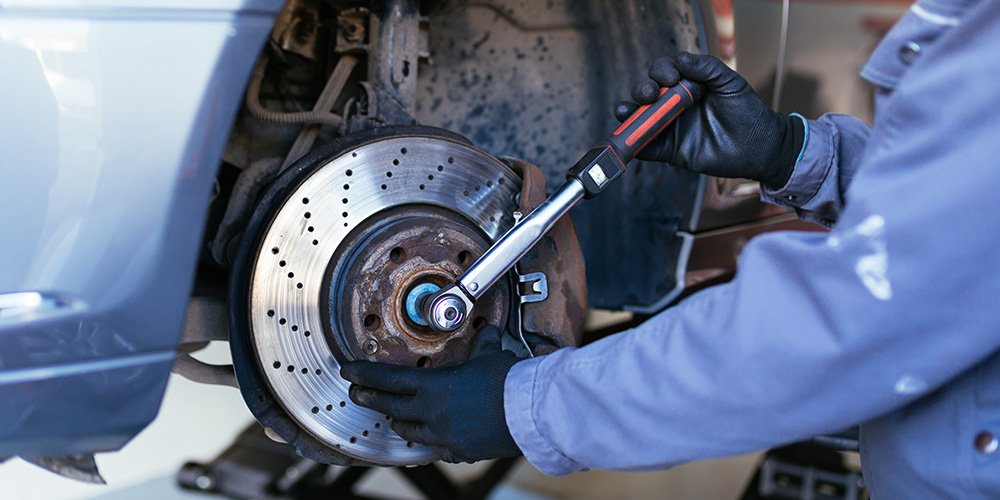
Your car’s braking system is the most important safety mechanism on your vehicle. Without properly functioning brakes, even the best engines and tires won’t keep you safe. Finding a reliable “brake service near me” can sometimes feel like a challenge, but understanding what to look for in an auto repair shop and knowing the basics of brake maintenance can save you time, money, and potentially your life. In this comprehensive article, we’ll cover everything you need to know about brake services, what to expect from an auto repair shop, and how to ensure your brakes are always in peak condition.
The Importance of Brake Maintenance
Regular brake maintenance ensures safe stopping power, prevents expensive repairs, and extends the lifespan of your vehicle’s braking system. Brakes are subject to wear and tear every time you drive. Over time, components like pads, rotors, and calipers degrade, potentially compromising your ability to stop safely.
Why Regular Service is Critical
- Safety First: Properly maintained brakes reduce the risk of accidents.
- Long-Term Savings: Identifying and fixing small issues prevents costly repairs.
- Improved Performance: Fresh pads and well-maintained rotors provide smoother, more reliable stops.
- Higher Resale Value: Prospective buyers value documented maintenance.
Understanding Brake Systems
Modern vehicles use complex braking systems designed for reliability and safety. Key components include:
- Brake Pads/Shoes: Create friction to slow or stop the vehicle.
- Rotors/Drums: Metal surfaces that pads press against to stop wheel rotation.
- Calipers: House the pads and use hydraulic pressure to press them against rotors.
- Brake Fluid: Transfers force from the pedal to braking components.
- Master Cylinder: The heart of the brake system, distributing hydraulic pressure.
- Brake Lines and Hoses: Channels carrying fluid between components.
Signs Your Brakes Need Service
Knowing when to get your brakes checked is crucial. Some common warning signs include:
- Squealing or Squeaking: Often caused by worn pads.
- Grinding Noise: Indicates metal-on-metal contact, requiring immediate attention.
- Vibration When Braking: Could be warped rotors.
- Spongy or Soft Pedal: May signal air in the brake lines or a fluid leak.
- Dashboard Warning Light: Never ignore brake system alerts.
- Pulling to One Side: Can indicate caliper or alignment issues.
Types of Brake Services
Auto repair shops typically offer:
- Brake Inspections: Checking pads, rotors, and fluid.
- Pad Replacement: Essential when pads reach minimum thickness.
- Rotor Resurfacing/Replacement: Ensures even braking.
- Caliper Servicing: Cleaning or replacing faulty calipers.
- Brake Fluid Flush: Removes contaminated fluid and air.
- Parking Brake Adjustment: Ensures proper holding power.
Choosing the Best Auto Repair Shop
When searching for “brake service near me,” consider the following:
- Reputation: Look for positive online reviews and word-of-mouth recommendations.
- Certification: ASE-certified mechanics are a strong indicator of expertise.
- Experience: Long-standing shops often have better resources and training.
- Warranty: Good shops back their work with parts and labor guarantees.
- Transparency: Detailed estimates and clear communication are essential.
Questions to Ask Before Service
- What parts will you use (OEM or aftermarket)?
- Do you offer a warranty?
- How long will the repair take?
- Will you provide a detailed inspection report?
- Are there any hidden fees?
Average Brake Service Costs
Cost varies by vehicle make, model, and location. Typical ranges:
- Pad Replacement: $150–$300 per axle.
- Rotor Replacement: $200–$400 per axle.
- Caliper Replacement: $300–$800 per axle.
- Fluid Flush: $75–$150.
Always request a personalized estimate to avoid surprises.
DIY vs. Professional Service
While DIY brake jobs can save money, professional service is recommended:
- Pros of DIY: Cost savings, learning opportunity.
- Cons of DIY: Safety risk if done incorrectly, lack of warranty.
- Pros of Professional Service: Correct diagnosis, specialized tools, and parts.
Brake Service Frequency
Follow these general guidelines:
- Inspect brakes every 12,000 miles or annually.
- Replace pads every 25,000–70,000 miles.
- Flush brake fluid every 2–3 years.
Future Trends in Brake Technology
With the rise of electric and hybrid vehicles, braking systems are evolving:
- Regenerative Braking: Converts kinetic energy into electricity, reducing wear.
- ADAS Integration: Automated systems work alongside brakes for collision avoidance.
- Ceramic Pads and Advanced Materials: Offer longer life and improved performance.
Conclusion
Brakes are your vehicle’s lifeline. Regular inspections, prompt repairs, and choosing a trusted auto repair shop can make the difference between safety and disaster. Whether you notice warning signs or just want peace of mind, prioritize your braking system. Next time you search for “brake service near me,” use this guide to choose the right auto repair shop and ensure your vehicle stays road-ready and safe.