
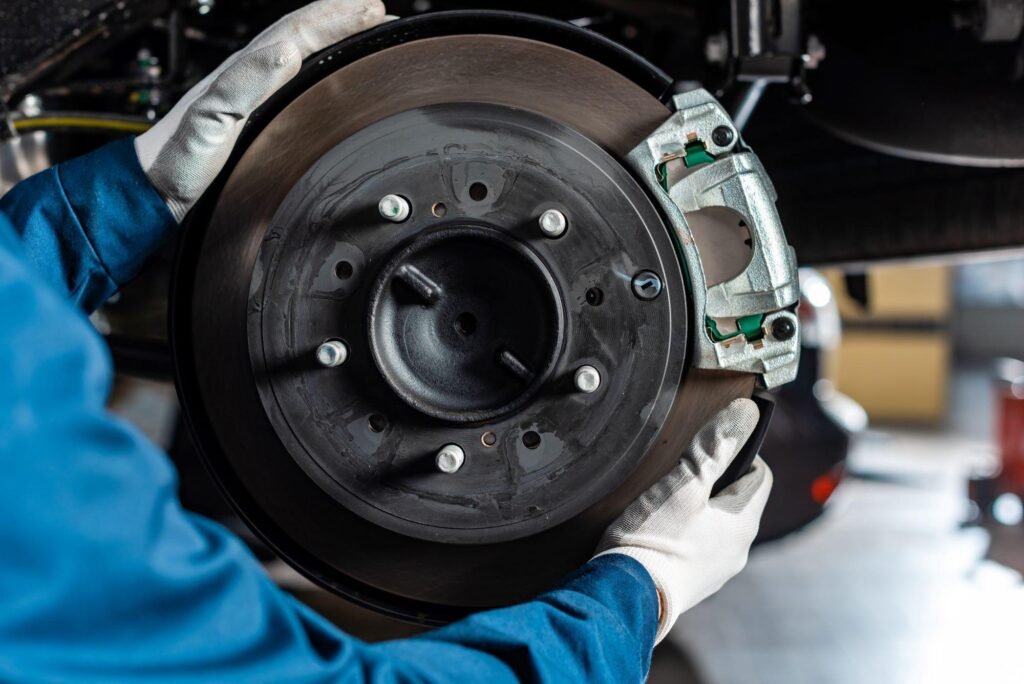
Brakes are one of the most critical components of any vehicle, ensuring safety and control while driving. Whether you are commuting to work, driving your kids to school, or going on a road trip, having well-maintained brakes can make the difference between a safe journey and a dangerous situation. For vehicle owners searching for “brake service near me”, understanding the intricacies of brake systems and knowing how to select a reliable automotive repair shop is essential. This guide will walk you through everything you need to know about brake service, maintenance, and finding the right professional help near you.
Understanding the Importance of Brake Service
Brakes are not just simple mechanical components; they are complex systems that include multiple parts working together to slow down or stop a vehicle. Neglecting brake maintenance can lead to:
-
Reduced braking efficiency
-
Longer stopping distances
-
Increased risk of accidents
-
Costly repairs
A comprehensive brake service ensures all components function properly, including:
-
Brake pads and shoes: These create the friction necessary to slow the wheels.
-
Rotors and drums: Surfaces that pads or shoes press against to stop the vehicle.
-
Brake fluid: Transfers hydraulic pressure from the pedal to the brakes.
-
Calipers: Squeeze the pads against the rotors in disc brake systems.
-
Brake lines and hoses: Carry the brake fluid to the braking components.
Common Brake Problems and Symptoms
Recognizing the warning signs of brake issues can prevent accidents and expensive repairs. Some common symptoms include:
1. Squeaking or Squealing Noises
High-pitched noises usually indicate worn brake pads. Some brakes also have built-in wear indicators that emit noise when pads need replacement.
2. Grinding Sounds
A grinding noise typically means the brake pads are completely worn down, causing metal-to-metal contact with the rotors. This can damage the rotors and significantly increase repair costs.
3. Vibration While Braking
Vibrations when applying brakes may indicate warped rotors. This condition can develop due to overheating or uneven wear.
4. Soft or Spongy Brake Pedal
If the brake pedal feels soft, it may be a sign of air in the brake lines, low brake fluid, or a failing master cylinder. Immediate attention is required.
5. Pulling to One Side
When a vehicle pulls to one side while braking, it could be caused by uneven brake pad wear, a stuck caliper, or brake fluid issues.
Types of Brake Systems
Understanding your vehicle’s brake system helps when communicating with automotive repair technicians. The most common systems include:
1. Disc Brakes
Disc brakes are widely used in modern vehicles and include a rotor, caliper, and brake pads. They offer excellent stopping power and heat dissipation.
2. Drum Brakes
Drum brakes are commonly found in older vehicles or rear-wheel setups. They use brake shoes pressing against a drum to stop the car.
3. Anti-lock Braking System (ABS)
ABS is a safety feature that prevents wheels from locking during hard braking, helping maintain steering control. It uses sensors and a control module in conjunction with disc or drum brakes.
4. Electronic and Hybrid Systems
Modern electric and hybrid vehicles may include regenerative braking, which converts kinetic energy into electrical energy, reducing wear on traditional brake components.
Brake Maintenance Tips
Regular maintenance extends the life of your braking system and ensures optimal performance. Here are key tips:
1. Inspect Brakes Regularly
Check brake pads, rotors, and fluid levels every 6,000 to 10,000 miles. Look for uneven wear or damage.
2. Replace Brake Pads and Shoes Timely
Worn pads should be replaced immediately to prevent rotor damage. Generally, brake pads last between 30,000 and 70,000 miles, depending on driving habits.
3. Flush Brake Fluid
Brake fluid absorbs moisture over time, reducing braking efficiency. Flushing the system every 2 to 3 years is recommended.
4. Check Brake Rotors and Drums
Rotors should be smooth and free of grooves or warping. Drums should be clean and free of rust.
5. Pay Attention to Driving Habits
Avoid excessive hard braking and use engine braking when possible. Gentle braking reduces wear on pads and rotors.
How to Choose a Reliable Automotive Repair Shop Near You
Finding a trustworthy brake service provider is crucial. Here’s what to consider:
1. Certifications and Training
Look for ASE-certified technicians and repair shops with up-to-date training on the latest brake technologies.
2. Reputation and Reviews
Check online reviews, testimonials, and recommendations from friends or family. Consistent positive feedback indicates reliability.
3. Warranty on Parts and Labor
A good shop provides warranties for both parts and labor, giving you peace of mind.
4. Transparent Pricing
Ensure the shop provides a detailed estimate before starting work. Avoid hidden charges or unnecessary repairs.
5. Advanced Equipment
Modern brake diagnostics may require specialized tools for ABS, electronic braking systems, or hybrid vehicles. Choose a shop with advanced equipment.
Steps Involved in Brake Service
A typical brake service at a professional automotive repair shop includes:
1. Inspection
Technicians inspect pads, rotors, calipers, hoses, and fluid levels. They check for wear, damage, or leaks.
2. Replacement of Worn Components
Worn brake pads, shoes, or damaged rotors are replaced. Technicians may also service or replace calipers if needed.
3. Brake Fluid Service
Old brake fluid is drained and replaced with fresh fluid. The system may be bled to remove air and restore proper hydraulic pressure.
4. Testing
After service, the brakes are tested for performance, including stopping distance, pedal feel, and ABS functionality.
5. Final Inspection
A final inspection ensures all components are secure, functional, and ready for safe driving.
Benefits of Regular Brake Service
Regular brake maintenance provides several advantages:
-
Enhanced Safety: Proper brakes reduce the risk of accidents.
-
Cost Savings: Early detection of issues prevents expensive repairs.
-
Improved Performance: Smooth and responsive braking improves driving experience.
-
Extended Vehicle Life: Prevents wear and tear on other vehicle components.
-
Peace of Mind: Reliable brakes give confidence while driving.
Common Brake Service FAQs
How Often Should I Service My Brakes?
Brake inspection should occur every 6,000 to 10,000 miles or during regular oil changes. Pad replacement depends on wear and driving habits.
Can I Drive with Worn Brake Pads?
It’s not recommended. Driving with worn pads can damage rotors and compromise safety.
How Much Does Brake Service Cost?
Costs vary depending on vehicle type, parts needed, and labor. A typical brake pad replacement ranges from $100 to $300 per axle, while full brake service can cost $300–$800.
What Are Signs of Brake Fluid Problems?
Soft pedals, a brake warning light, or spongy braking may indicate fluid issues. Regular fluid checks prevent failure.
Searching for “Brake Service Near Me”
When looking for local brake services, use these tips:
-
Search online with location-specific keywords: e.g., “brake repair near me” or “brake service in [city].”
-
Check maps and reviews: Google Maps, Yelp, and automotive forums provide insights into local shop performance.
-
Call ahead: Ask about certifications, services offered, and appointment availability.
-
Compare quotes: Ensure you get a fair price while prioritizing quality and safety.
Advantages of Professional Brake Service vs. DIY
While some car enthusiasts perform their own brake maintenance, professional service offers several advantages:
-
Expertise: Technicians understand complex systems and ensure correct installation.
-
Equipment: Professional shops have specialized tools for precise work.
-
Safety: Properly installed brakes prevent accidents.
-
Warranty: Many shops offer guarantees on parts and labor.
-
Time-Saving: Professionals complete service faster and more efficiently.
Preventive Measures to Extend Brake Life
Beyond routine maintenance, consider these preventive tips:
-
Avoid aggressive braking whenever possible.
-
Reduce vehicle load to decrease stress on brakes.
-
Drive at moderate speeds in traffic.
-
Keep tires properly inflated for balanced braking.
-
Schedule inspections before long trips or extreme weather conditions.
Environmental Considerations
Brake components, especially pads, may contain metals that can affect the environment. Many shops now offer eco-friendly brake pads and recycling programs for old parts and fluids. Choosing a shop that follows environmentally responsible practices benefits both your vehicle and the planet.
Signs You Need Immediate Brake Attention
Some brake issues require urgent service to prevent accidents:
-
Complete loss of braking power
-
Brake warning light illuminated
-
Brake pedal sinking to the floor
-
Unusual noises like grinding or clunking
-
Visible brake fluid leaks
If you notice any of these, stop driving and call a professional immediately.
How Technology is Changing Brake Service
Modern vehicles include advanced braking technologies such as:
-
Electronic parking brakes: Eliminates manual handbrakes.
-
Adaptive braking systems: Adjust braking force based on speed, load, and road conditions.
-
Regenerative braking: Converts energy to recharge hybrid/electric vehicle batteries.
-
Sensor integration: Monitors brake wear and alerts drivers automatically.
Repair shops must stay updated with these technologies to service modern vehicles effectively.
Conclusion
Searching for “brake service near me” should be more than just convenience—it should prioritize safety, reliability, and quality. Understanding brake systems, recognizing warning signs, performing regular maintenance, and choosing a reputable automotive repair shop ensures that your vehicle’s braking system operates optimally. From routine inspections to advanced brake repairs, professional service helps protect you, your passengers, and others on the road.
By following the guidelines outlined in this article, you can make informed decisions about brake service, prevent costly repairs, and maintain peace of mind every time you drive.