
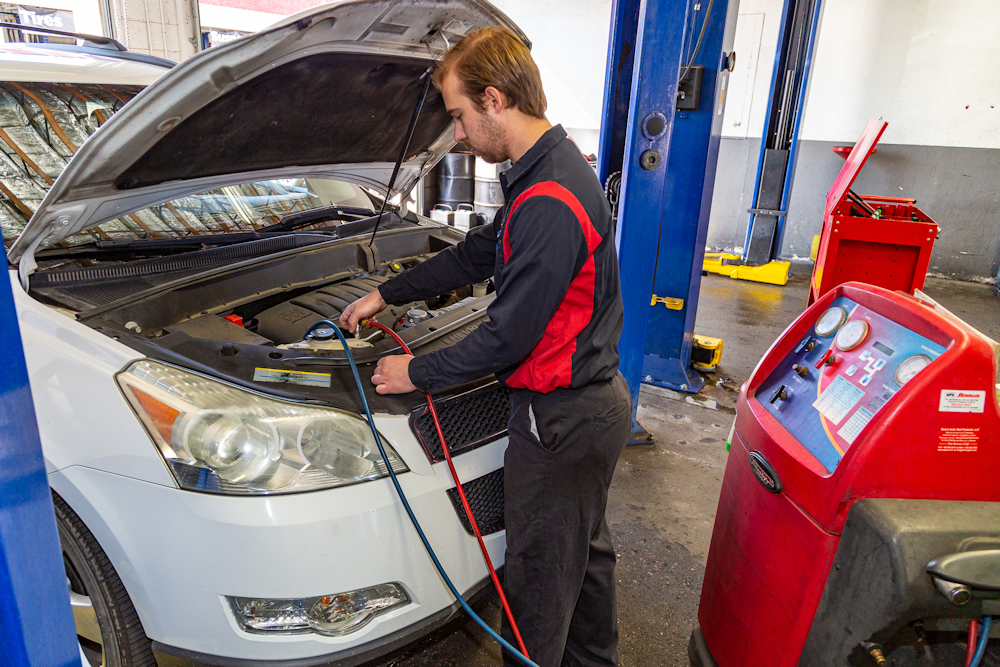
When the summer heat rolls in, your car’s air conditioner (A/C) becomes more than just a luxury—it’s a necessity. Few things are as uncomfortable as sitting in traffic on a sweltering day with hot air blowing from your vehicle’s vents. Unfortunately, even the most well-built automotive air conditioning systems can lose efficiency over time. One of the most common services auto repair shops provide is an air conditioner recharge, also known as recharging the refrigerant.
This service restores your vehicle’s cooling performance by replenishing the refrigerant, the essential fluid that absorbs and dissipates heat. Without proper refrigerant levels, your A/C can’t function as intended. Auto repair shops play a critical role in diagnosing, repairing, and recharging vehicle air conditioning systems to ensure drivers stay comfortable, safe, and stress-free on the road.
In this comprehensive guide, we’ll explore everything about an air conditioner recharge—from understanding how your car’s A/C works, to spotting signs you need a recharge, the process professionals follow, the benefits of professional service, and why choosing a reliable auto repair shop is crucial.
Understanding How a Vehicle Air Conditioner Works
To understand why an air conditioner recharge is necessary, you need to know the basics of how the A/C system operates.
A typical automotive air conditioning system consists of several main components:
-
Compressor – Often called the heart of the system, the compressor pressurizes refrigerant and pumps it through the A/C system.
-
Condenser – Located at the front of the vehicle, it converts high-pressure gas into a liquid by releasing heat.
-
Receiver/Dryer or Accumulator – Removes moisture and filters debris from refrigerant.
-
Expansion Valve or Orifice Tube – Controls the flow of refrigerant into the evaporator.
-
Evaporator Core – Located inside the cabin, it absorbs heat from the air, cooling it before blowing it into the passenger compartment.
-
Refrigerant – The lifeblood of the A/C system. It circulates through the components, changing from gas to liquid and back to gas, absorbing and releasing heat to provide cold air.
When the refrigerant level drops due to leaks, wear, or time, the system can’t cool effectively. That’s where an air conditioner recharge comes in.
Why Air Conditioner Recharge is Necessary
Over time, vehicle air conditioners may lose refrigerant. Unlike engine oil, refrigerant doesn’t get consumed naturally—it only decreases when there’s a leak or gradual seepage. Factors that make a recharge necessary include:
-
Small Leaks – Rubber hoses, seals, and connections may allow refrigerant to escape.
-
Wear and Tear – Aged compressors, condensers, and evaporators can cause refrigerant loss.
-
Improper Past Repairs – Incorrect installation or inadequate recharge during a previous service.
-
Time and Environmental Impact – Some refrigerant can permeate through hoses and seals over years.
Without the right refrigerant levels, the compressor has to work harder, potentially leading to mechanical failure. Also, insufficient refrigerant reduces cooling efficiency, leaving you sweating in your car on hot days.
Signs You Need an Air Conditioner Recharge
How can you tell if it’s time to visit an auto repair shop for an A/C recharge? Here are some of the most common warning signs:
-
Warm Air Blowing from Vents – The most obvious symptom. If your A/C blows lukewarm or hot air, it could mean low refrigerant.
-
Inconsistent Cooling – If the air temperature fluctuates between cool and warm, refrigerant levels may be unstable.
-
Visible Leaks – Oily spots or residue around A/C components could indicate refrigerant leaks.
-
Unusual Noises – A whining or grinding noise from the compressor might mean it’s struggling due to low refrigerant.
-
A/C Clutch Not Engaging – The clutch won’t engage if refrigerant pressure is too low.
-
Longer Cooling Time – It takes much longer than usual for the A/C to cool the car.
-
Bad Odors – Sometimes associated with moisture buildup, which may also signal an underperforming system.
Recognizing these signs early ensures you address the issue before it becomes a costly repair.
The Air Conditioner Recharge Process at Auto Repair Shops
While some DIY recharge kits are available, professionals strongly recommend getting an air conditioner recharge done at an auto repair shop. Trained technicians use specialized equipment to accurately diagnose and fix A/C issues.
Here’s how the process generally works:
1. Initial Inspection
-
Technicians visually inspect hoses, belts, and components.
-
They check for leaks using dye, electronic detectors, or UV lights.
2. Recovery of Old Refrigerant
-
If refrigerant is present, it is safely extracted using a recovery machine to comply with environmental regulations.
3. Leak Detection
-
Leaks are identified and repaired before recharging. Skipping this step means refrigerant will escape again.
4. Vacuum Test
-
The system is placed under vacuum to remove air and moisture, which can damage the compressor and reduce efficiency.
5. Recharge with Refrigerant
-
The correct amount and type of refrigerant (R-134a for older vehicles or R-1234yf for newer models) is added using precise measurements.
6. Performance Testing
-
The system is tested for cooling efficiency, pressure levels, and airflow.
-
The technician ensures the A/C delivers cold air consistently.
This process restores your air conditioner to factory specifications, ensuring maximum comfort and efficiency.
Types of Refrigerants Used in Auto Air Conditioning
Different vehicles require different refrigerants. Using the wrong type can damage the system.
-
R-12 (Freon) – Used in older vehicles before 1995. Now banned due to environmental concerns.
-
R-134a – Common in vehicles from 1995 to around 2015.
-
R-1234yf – Modern, eco-friendly refrigerant used in most new vehicles.
Auto repair shops are equipped to handle these refrigerants safely, following EPA guidelines.
Benefits of Professional A/C Recharge at an Auto Repair Shop
Getting your car’s air conditioner serviced at a reputable auto repair shop provides numerous advantages over DIY methods:
-
Accuracy – Shops use precise machines to measure refrigerant levels.
-
Leak Detection – Professionals identify and repair leaks rather than just adding refrigerant.
-
Safety – Handling refrigerants improperly can cause frostbite or environmental damage.
-
Compressor Protection – Prevents strain on the compressor, extending its life.
-
Improved Comfort – Ensures consistently cold air, even on the hottest days.
-
Compliance with Regulations – Shops follow strict environmental rules when handling refrigerants.
-
Comprehensive Service – In addition to recharging, they inspect the entire A/C system for wear or damage.
DIY vs. Professional Air Conditioner Recharge
Many drivers wonder if they can recharge their car’s A/C system at home. While DIY kits are available, they come with significant risks:
-
Inaccurate Measurements – DIY kits often lead to overcharging or undercharging the system.
-
No Leak Repairs – Adding refrigerant without fixing leaks is a temporary solution.
-
Potential Damage – Incorrect refrigerant or improper handling can harm your A/C system.
-
Safety Hazards – Pressurized refrigerant is dangerous to handle without training.
A professional recharge may cost more initially, but it prevents long-term damage and higher repair bills.
Average Cost of Air Conditioner Recharge
The cost of an air conditioner recharge varies depending on the vehicle type, refrigerant used, and labor costs at the shop. On average:
-
R-134a Recharge: $150 – $250
-
R-1234yf Recharge: $200 – $400 (more expensive due to eco-friendly refrigerant)
-
Luxury or Larger Vehicles: May cost more due to higher refrigerant capacity.
Remember, this cost may increase if repairs are needed to fix leaks or replace worn parts.
How Often Should You Recharge Your A/C?
Unlike oil changes, there’s no strict schedule for A/C recharges. Typically, you should only need a recharge when performance drops due to refrigerant loss. However:
-
Inspection Every 1–2 Years: It’s wise to have your A/C checked periodically.
-
Recharge Every 3–5 Years: On average, most cars may need service within this timeframe.
-
Immediate Service if Performance Drops: Don’t wait if your A/C is blowing warm air.
Preventing Frequent A/C Recharge Needs
While some refrigerant loss over time is natural, you can minimize the need for frequent recharges:
-
Run Your A/C Regularly – Even in winter, run it for a few minutes monthly to keep seals lubricated.
-
Schedule Routine Maintenance – Regular inspections catch leaks early.
-
Replace Cabin Air Filter – Ensures strong airflow and less strain on the system.
-
Keep Condenser Clean – Remove debris and dirt from the condenser to improve efficiency.
-
Repair Leaks Promptly – Don’t delay fixing small leaks, as they worsen over time.
Choosing the Right Auto Repair Shop for A/C Recharge
Not all auto repair shops are equal when it comes to air conditioning service. Consider these tips when choosing:
-
Certified Technicians – Look for ASE-certified or factory-trained mechanics.
-
Specialized Equipment – Shops should have modern refrigerant recovery and recharge machines.
-
Experience with Your Vehicle Type – Especially important for luxury, hybrid, or electric vehicles.
-
Transparent Pricing – Reputable shops provide clear estimates before service.
-
Positive Reviews – Online reviews and word-of-mouth recommendations speak volumes.
-
Warranty on Work – Reliable shops stand behind their repairs with warranties.
Environmental Considerations in A/C Recharge
Refrigerants can harm the environment if mishandled. That’s why professional handling is essential:
-
EPA Regulations – Require proper recovery and recycling of refrigerants.
-
Eco-Friendly Refrigerants – Modern R-1234yf has lower global warming potential.
-
Proper Disposal – Shops ensure old refrigerants aren’t released into the atmosphere.
By choosing a professional repair shop, you contribute to environmental protection while ensuring your car stays cool.
Additional A/C Services Offered by Auto Repair Shops
An air conditioner recharge often comes with other services, such as:
-
Leak Repair – Fixing damaged hoses, seals, and components.
-
Compressor Replacement – If the compressor fails, it must be replaced.
-
Condenser and Evaporator Repairs – Address blockages or leaks.
-
Electrical Repairs – Fixing sensors, switches, or A/C control modules.
-
Cabin Filter Replacement – Improves air quality and airflow.
Bundling these services ensures a long-lasting, efficient A/C system.
Importance of Air Conditioner Recharge for Driver Safety
While comfort is the main reason for A/C service, safety is another factor:
-
Driver Focus – A cool cabin reduces fatigue and increases concentration.
-
Defogging Windows – The A/C system helps clear foggy windows quickly.
-
Prevent Overheating Passengers – Especially important for children, pets, and elderly passengers.
Myths About Air Conditioner Recharge
Several misconceptions exist about A/C recharges:
-
“Recharging fixes all A/C problems.”
– False. Recharging won’t fix leaks or broken parts. -
“You should recharge every year.”
– Not true. Only recharge when necessary. -
“DIY kits work just as well as professionals.”
– Incorrect. DIY kits can’t detect leaks or provide accurate measurements. -
“Adding more refrigerant makes the A/C colder.”
– Overcharging can actually damage the system.
Future of Auto Air Conditioning Technology
As vehicles evolve, so does air conditioning technology:
-
Electric and Hybrid Vehicles – Use electric compressors powered by high-voltage systems.
-
Eco-Friendly Refrigerants – Global shift toward low-GWP refrigerants.
-
Smart Climate Control – Automatic systems that adjust cooling based on sensors.
-
Integration with EV Battery Cooling – Some systems cool both the cabin and battery pack.
This makes professional expertise more essential than ever.
Conclusion
An air conditioner recharge is one of the most common and essential services offered at an auto repair shop. Whether you’re dealing with warm air, inconsistent cooling, or refrigerant leaks, professional technicians have the tools, training, and knowledge to restore your system’s efficiency.
Choosing an experienced auto repair shop ensures accurate diagnostics, safe refrigerant handling, and long-lasting performance. Beyond comfort, a properly functioning A/C system enhances safety, protects components, and contributes to a more enjoyable driving experience.
Instead of struggling with DIY kits or ignoring poor cooling, schedule an inspection with a trusted auto repair shop whenever you notice A/C issues. With professional care, your vehicle will deliver cold, refreshing air no matter how high the temperature climbs.