
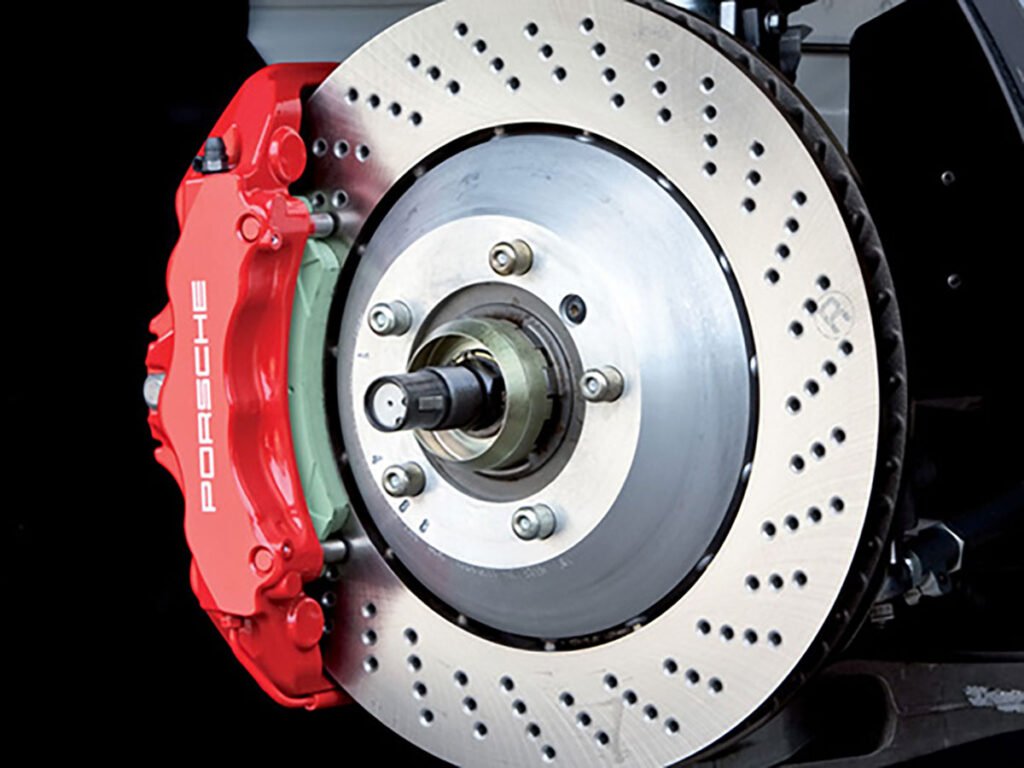
When it comes to vehicle safety, the braking system is one of the most crucial components. Ensuring that your brakes are in optimal condition is essential not only for your safety but also for the safety of others on the road. If you’ve been hearing squeaking noises, experiencing vibrations, or noticing decreased braking efficiency, it may be time to search for “brake pad replacement near me” or visit a mechanic near me. This guide will take you through everything you need to know about brake pad replacement, including signs, costs, types of brake pads, and how to find a reliable mechanic near you.
Understanding Brake Pads and Their Importance
Brake pads are an essential part of your vehicle’s braking system. They are responsible for creating friction against the brake rotors, which slows down or stops your car. Without functional brake pads, your car cannot stop effectively, putting you and others at risk.
Brake pads are typically made of materials like semi-metallic, ceramic, or organic compounds, each with its own set of advantages and disadvantages. Over time, brake pads wear down due to friction and must be replaced to maintain optimal braking performance.
Signs You Need a Brake Pad Replacement
Knowing when to replace your brake pads can save you from costly repairs and ensure your vehicle remains safe. Here are some common signs indicating it’s time for a brake pad replacement:
1. Squeaking or Squealing Noises
A high-pitched squeal when applying the brakes is often the first indicator that your brake pads are worn out. Most brake pads have wear indicators that produce this noise to alert the driver.
2. Grinding Sound
If you hear a grinding noise when braking, it may mean the brake pads are completely worn down, and the metal parts of the brake system are coming into contact. This requires immediate attention.
3. Reduced Braking Performance
If your car takes longer to stop or the brake pedal feels soft or spongy, your brake pads or brake fluid may need replacement.
4. Vibration While Braking
A vibrating brake pedal or steering wheel can indicate warped rotors or uneven brake pad wear, signaling the need for replacement.
5. Indicator Light
Many modern vehicles have a brake warning light that illuminates when brake pads are worn, alerting you to schedule a replacement.
Types of Brake Pads
Choosing the right type of brake pad is important for performance, safety, and longevity. Here are the most common types:
1. Organic Brake Pads
-
Material: Made from materials like rubber, carbon compounds, and Kevlar.
-
Advantages: Quiet and softer on rotors.
-
Disadvantages: Wear faster and may not perform well under high heat.
2. Semi-Metallic Brake Pads
-
Material: A combination of metals and organic materials.
-
Advantages: Durable and offer better heat transfer.
-
Disadvantages: Can be noisy and wear down rotors faster.
3. Ceramic Brake Pads
-
Material: Made from ceramic fibers with embedded metal particles.
-
Advantages: Quiet, long-lasting, and produce less dust.
-
Disadvantages: More expensive than other types.
How Often Should You Replace Brake Pads?
The lifespan of brake pads varies depending on driving habits, vehicle type, and the material of the pads. On average, brake pads last between 30,000 to 70,000 miles. Regular inspection and maintenance are essential to prevent brake failure.
Driving in stop-and-go traffic, towing heavy loads, or driving aggressively can reduce the lifespan of your brake pads. Therefore, checking them regularly is crucial.
Costs of Brake Pad Replacement
The cost of brake pad replacement varies depending on the type of brake pads, vehicle model, and labor charges. Here’s a general breakdown:
-
Organic brake pads: $50 – $150 per axle
-
Semi-metallic brake pads: $60 – $200 per axle
-
Ceramic brake pads: $100 – $300 per axle
Labor costs usually range from $80 to $150, depending on the mechanic and location. While it may be tempting to delay replacement to save money, worn-out brake pads can cause damage to other brake components, resulting in higher repair costs.
Finding a Mechanic Near You
When searching for “brake pad replacement near me” or “mechanic near me,” it’s important to find a reliable professional who ensures quality service. Here are some tips for selecting a trustworthy mechanic:
1. Look for Certifications
Certified mechanics, such as those with ASE (Automotive Service Excellence) certification, are trained to handle brake systems properly.
2. Check Reviews
Online reviews on Google, Yelp, or social media platforms provide insights into other customers’ experiences with a mechanic.
3. Ask for Recommendations
Word-of-mouth referrals from friends or family can help you find a reputable mechanic nearby.
4. Compare Prices
While cost shouldn’t be the only factor, comparing prices can help you avoid overpaying. Ensure the quote includes parts and labor.
5. Warranty on Work
A trustworthy mechanic should provide a warranty on both parts and labor, giving you peace of mind in case issues arise after replacement.
DIY vs Professional Brake Pad Replacement
While some car enthusiasts may consider replacing brake pads themselves, it’s generally recommended to have a professional handle it, especially if you lack experience.
DIY Brake Pad Replacement
-
Pros: Lower cost and personal satisfaction.
-
Cons: Requires specialized tools, knowledge of brake systems, and can be dangerous if done incorrectly.
Professional Brake Pad Replacement
-
Pros: Expertise, proper installation, safety, and warranty.
-
Cons: Higher cost compared to DIY.
For most vehicle owners, trusting a qualified mechanic is the safest and most reliable choice.
Step-by-Step Brake Pad Replacement Process
Understanding how a mechanic replaces brake pads can help you feel more confident about the service. Here’s a general overview of the process:
-
Vehicle Inspection: The mechanic inspects the brakes, rotors, and calipers to assess wear and identify additional repairs if needed.
-
Wheel Removal: Wheels are removed to access the braking system.
-
Old Brake Pad Removal: Worn-out brake pads are carefully removed.
-
Rotor Inspection: Rotors are checked for warping or damage. Resurfacing or replacement may be recommended.
-
New Brake Pad Installation: New brake pads are installed and properly aligned.
-
Caliper Reinstallation: Calipers are reattached, and brake fluid is checked.
-
Test Drive: A final test drive ensures proper braking performance.
Brake Pad Maintenance Tips
Maintaining your brakes can extend the life of your brake pads and ensure consistent performance:
-
Regular Inspections: Check brake pads every 12,000 miles or as recommended by your vehicle’s manufacturer.
-
Avoid Hard Braking: Gentle braking reduces wear and tear on pads.
-
Keep Brake System Clean: Remove debris and dirt to prevent damage.
-
Monitor Brake Fluid: Low or contaminated brake fluid can affect braking performance.
-
Listen for Unusual Noises: Early detection of squealing or grinding noises prevents major issues.
The Risks of Ignoring Brake Pad Replacement
Failing to replace worn brake pads can lead to:
-
Reduced braking efficiency: Longer stopping distances increase accident risk.
-
Damage to rotors: Metal-to-metal contact can warp or damage brake rotors.
-
Costly repairs: Neglecting brake maintenance can lead to more expensive repairs down the line.
-
Safety hazards: Poor brakes can compromise vehicle control, endangering you and others.
Questions to Ask Your Mechanic
When you take your car for brake pad replacement, it’s helpful to ask your mechanic:
-
What type of brake pads do you recommend for my car?
-
Are there any additional repairs needed for my brake system?
-
How long will the replacement take?
-
Is there a warranty on the brake pads and labor?
-
Can you provide a written estimate before starting the work?
Finding Brake Pad Replacement Services Near You
Using online resources, you can easily find local services:
-
Google Search: Type “brake pad replacement near me” to see local mechanics and auto repair shops.
-
Maps Apps: Use Google Maps or Apple Maps to find highly-rated mechanics nearby.
-
Review Sites: Yelp, Angi, and Better Business Bureau provide customer feedback and ratings.
-
Local Directories: Many communities have directories of trusted auto repair shops.
Conclusion
Your vehicle’s braking system is critical for safety, and timely brake pad replacement is essential. Recognizing the signs of worn-out brake pads, understanding the types and costs, and finding a reliable mechanic near me ensures your vehicle remains safe and efficient. Regular maintenance, proper inspections, and choosing the right professional will protect you from accidents, costly repairs, and unnecessary stress.
If you’ve been noticing any warning signs like squealing, grinding, or reduced braking performance, don’t wait. Search for “brake pad replacement near me” today and ensure your brakes are in top condition. Your safety—and that of everyone on the road—depends on it.