
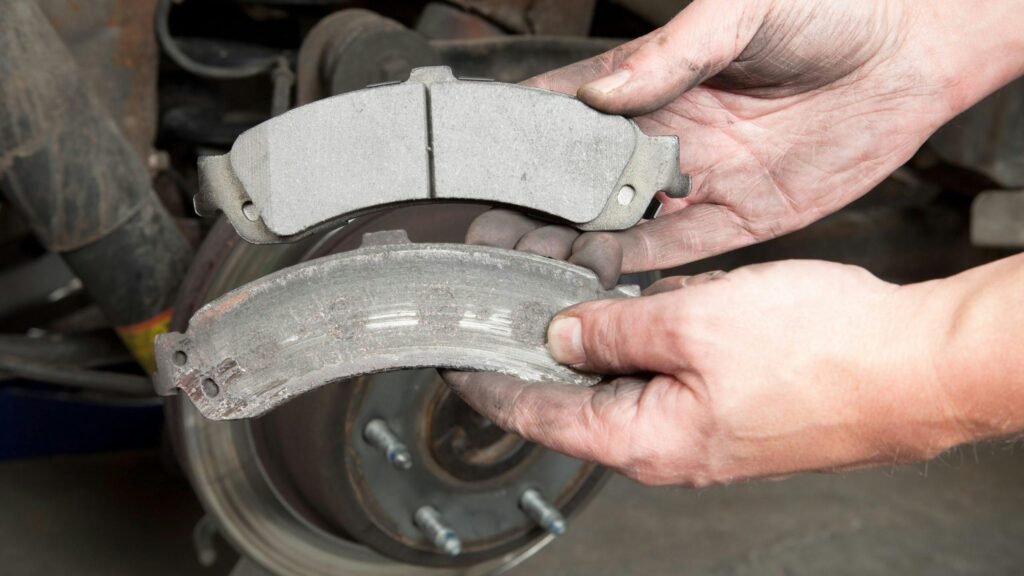
When it comes to maintaining your vehicle’s safety and performance, one of the most crucial components is the brake system. Among its many parts, brake pads play a vital role in ensuring your car stops efficiently and safely. Over time, brake pads wear down and require replacement. If you’ve ever found yourself searching for “brake pad replacement near me,” this comprehensive guide will walk you through everything you need to know about brake pads, signs they need replacement, the replacement process, and how to choose a reliable automotive repair service near you.
Understanding Brake Pads
What Are Brake Pads?
Brake pads are a key component of a vehicle’s disc brake system. They are flat pieces of material that press against the brake rotors (or discs) when you apply the brake pedal, creating friction that slows down or stops the vehicle. High-quality brake pads ensure smooth braking, reduce stopping distances, and prevent damage to other braking components.
Types of Brake Pads
There are several types of brake pads, each with its own advantages and disadvantages:
-
Organic Brake Pads
-
Made from materials like rubber, glass, and resin.
-
Quiet and gentle on rotors.
-
Tend to wear faster than other types.
-
-
Semi-Metallic Brake Pads
-
Contain metal fibers for better heat dissipation.
-
Durable and cost-effective.
-
Slightly noisier and can wear rotors faster.
-
-
Ceramic Brake Pads
-
Made from ceramic materials mixed with copper fibers.
-
Long-lasting, quiet, and clean.
-
Higher cost but excellent performance.
-
How Brake Pads Work
When you press the brake pedal, hydraulic pressure pushes the brake pads against the spinning rotors. The resulting friction slows the wheel’s rotation. Over time, this friction causes the pads to wear down, reducing braking efficiency. Regular inspection and timely replacement are crucial to maintaining safe driving conditions.
Signs Your Brake Pads Need Replacement
Brake pads don’t last forever. Depending on driving habits and conditions, they typically last between 30,000 to 70,000 miles. Knowing the signs of worn brake pads can prevent accidents and costly repairs.
Common Symptoms
-
Squealing or Screeching Noise
-
A high-pitched noise often indicates that brake pads are worn down and need replacement.
-
-
Grinding Sound
-
A metal-on-metal grinding noise suggests the pads are completely worn, and the rotors may be damaged.
-
-
Reduced Braking Performance
-
If your car takes longer to stop or feels less responsive when braking, it could be a brake pad issue.
-
-
Brake Warning Light
-
Many modern vehicles have sensors that trigger a dashboard warning light when pads are worn.
-
-
Vibration or Pulsation
-
A shaking brake pedal often indicates uneven brake pad wear or warped rotors.
-
Visual Inspection
You can also inspect your brake pads visually. If the pad material is less than ¼ inch thick, it’s time to replace them.
Importance of Timely Brake Pad Replacement
Replacing brake pads promptly is not just about convenience—it’s a safety necessity.
Safety Benefits
-
Enhanced stopping power: Ensures the vehicle stops efficiently in emergencies.
-
Prevents accidents: Worn brake pads can lead to brake failure.
-
Maintains control: Stable braking prevents skidding and loss of control.
Vehicle Longevity
-
Protects rotors: Worn pads can damage rotors, leading to costly repairs.
-
Reduces wear on other components: Calipers, brake lines, and wheels remain in better condition.
Cost Considerations
-
Replacing brake pads early is significantly cheaper than repairing both pads and damaged rotors.
-
Ignoring worn pads can lead to more frequent and expensive repairs.
Finding “Brake Pad Replacement Near Me”
When searching for a local service to replace your brake pads, it’s important to choose an experienced and trustworthy automotive repair shop.
Key Factors to Consider
-
Experience and Certifications
-
Look for ASE-certified mechanics or shops with proven experience in brake repair.
-
-
Customer Reviews
-
Check online reviews to gauge the reliability and service quality.
-
-
Warranty and Guarantees
-
A good shop offers warranties on both parts and labor.
-
-
Cost Transparency
-
Avoid hidden fees. Reputable shops provide a clear estimate before work begins.
-
-
Convenience and Availability
-
Choose a shop with flexible hours and quick service turnaround.
-
Local Search Tips
-
Use search queries like “brake pad replacement near me” or “auto repair shop near me.”
-
Include your city or zip code to narrow results.
-
Look for shops that specialize in brake services.
Brake Pad Replacement Process
Replacing brake pads involves several steps that require skill and proper tools. Here’s a general overview:
1. Preparing the Vehicle
-
Park the car on a flat surface and engage the parking brake.
-
Loosen the lug nuts on the wheels.
2. Removing the Wheels
-
Use a jack to lift the car safely.
-
Remove the wheels to access the brake components.
3. Inspecting the Brakes
-
Check the thickness of the brake pads.
-
Inspect the rotors, calipers, and brake lines for damage or wear.
4. Removing Old Brake Pads
-
Unbolt the caliper carefully.
-
Remove the old brake pads and hardware.
5. Installing New Brake Pads
-
Apply anti-squeal lubricant to the back of the pads.
-
Insert the new pads into the caliper bracket.
-
Reinstall the caliper and torque bolts to manufacturer specifications.
6. Reassembling and Testing
-
Put the wheels back on and lower the car.
-
Pump the brake pedal to seat the new pads.
-
Test drive at low speeds to ensure proper braking.
Note: While DIY brake pad replacement is possible, having a professional perform the service ensures safety and proper installation.
Cost of Brake Pad Replacement
The cost of replacing brake pads varies depending on vehicle type, pad material, and labor rates. Here’s a general breakdown:
Average Costs
| Pad Type | Parts Cost | Labor Cost | Total Estimate |
|---|---|---|---|
| Organic | $30 – $50 | $70 – $120 | $100 – $170 |
| Semi-Metallic | $40 – $70 | $80 – $150 | $120 – $220 |
| Ceramic | $60 – $120 | $80 – $160 | $140 – $280 |
Factors Affecting Price
-
Vehicle make and model: Luxury or high-performance cars often cost more.
-
Number of wheels: Front or rear pad replacement only vs. all four wheels.
-
Shop location: Urban areas typically have higher labor rates.
Brake Maintenance Tips
Preventative maintenance extends the life of your brake pads and ensures consistent braking performance.
-
Regular Inspections
-
Check brake pads every 10,000 miles or at each oil change.
-
-
Smooth Driving
-
Avoid sudden stops and aggressive driving to reduce pad wear.
-
-
Brake Fluid Maintenance
-
Replace brake fluid as recommended to maintain hydraulic efficiency.
-
-
Listen for Warning Signs
-
Address squealing, grinding, or vibration immediately.
-
-
Rotate Tires
-
Proper tire rotation helps maintain even brake pad wear.
-
When to Consider Professional Automotive Repair
Some brake issues go beyond simple pad wear. Seek professional help if you notice:
-
Continuous squealing or grinding after replacing pads
-
Uneven braking or pulling to one side
-
Soft or spongy brake pedal
-
Brake warning light remains on
Professional technicians can diagnose underlying issues like warped rotors, sticking calipers, or hydraulic problems that DIY methods might overlook.
Conclusion
Brake pads are a critical component of vehicle safety, and timely replacement is essential for smooth, reliable braking. Whether you notice warning signs, hear unusual noises, or simply want to prevent future issues, finding a trustworthy automotive repair shop near you is key. By understanding the types of brake pads, signs of wear, replacement process, and maintenance tips, you can make informed decisions and keep your vehicle safe on the road.
Searching for “brake pad replacement near me” should lead you to a reputable shop that prioritizes safety, quality, and customer satisfaction. Investing in proper brake maintenance not only protects your vehicle but also ensures the safety of everyone on the road.