
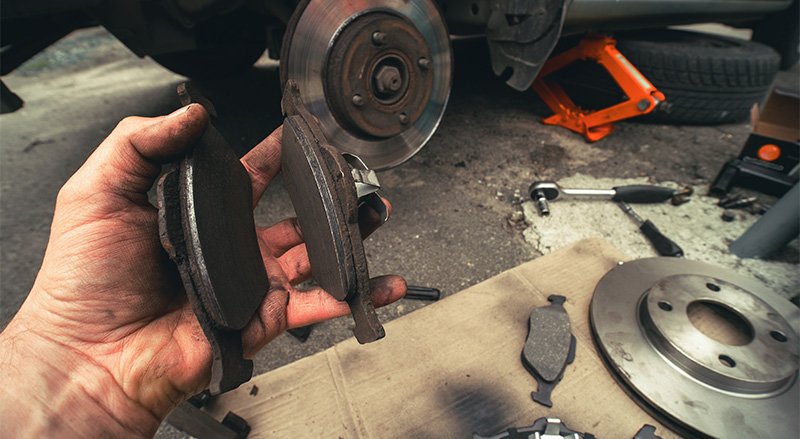
Your vehicle’s braking system is one of its most critical safety features. Over time, brake pads wear down and require replacement to maintain optimal performance and safety. If you’ve ever searched for “brake pad replacement near me” or “automotive repair shops near me,” you’re not alone. Thousands of drivers look for reliable, professional, and affordable brake repair services every day. This article will guide you through everything you need to know about brake pad replacement, how to find the best local automotive repair shops, what to expect during the process, and tips for maintaining your brakes for long-term safety.
Table of Contents
- Understanding Brake Pads and Their Importance
- Signs You Need Brake Pad Replacement
- How Often Should Brake Pads Be Replaced?
- Types of Brake Pads
- The Brake Pad Replacement Process
- Choosing the Right Automotive Repair Shop
- What to Expect: Costs and Timeframe
- Questions to Ask Your Mechanic
- DIY vs. Professional Brake Pad Replacement
- Maintaining Your Brakes After Replacement
- Frequently Asked Questions
- Conclusion
1. Understanding Brake Pads and Their Importance
Brake pads are essential components of your car’s braking system. When you press the brake pedal, the pads clamp down onto the brake rotors, creating friction that slows and stops your vehicle. Without properly functioning brake pads, your car’s ability to stop quickly and safely is compromised, increasing the risk of accidents.
Modern vehicles typically use disc brakes, which rely on brake pads to convert kinetic energy into thermal energy through friction. Over time, this friction wears down the pads, making regular inspection and replacement necessary for safe driving.
2. Signs You Need Brake Pad Replacement
Recognizing the warning signs of worn brake pads is crucial for your safety. Here are the most common indicators:
- Squealing or Screeching Noises: High-pitched noises when braking often mean the pads are worn and need replacement.
- Grinding Sounds: A grinding noise can indicate that the pads are completely worn, and metal is contacting metal, which can damage the rotors.
- Reduced Braking Performance: If your car takes longer to stop or the brakes feel less responsive, it’s time to check the pads.
- Vibration or Pulsation: A vibrating brake pedal can signal warped rotors or uneven brake pad wear.
- Warning Light: Many modern vehicles have a brake warning light that illuminates when pads need attention.
- Visual Inspection: If you can see less than 1/4 inch of the pad through the wheel spokes, it’s time for a replacement.
Ignoring these signs can lead to more expensive repairs and increased safety risks.
3. How Often Should Brake Pads Be Replaced?
Brake pad longevity depends on several factors, including driving habits, vehicle type, and pad material. On average, brake pads should be replaced every 30,000 to 70,000 miles. However, aggressive driving, frequent stop-and-go traffic, or driving in hilly areas can accelerate wear.
It’s best to consult your vehicle’s owner’s manual and have your brakes inspected regularly by a professional. Many repair shops offer free brake inspections, making it easy to stay on top of maintenance.
4. Types of Brake Pads
There are several types of brake pads, each with its own advantages and drawbacks:
- Organic Brake Pads: Made from materials like glass, rubber, and resins, these are quiet and affordable but wear out faster.
- Semi-Metallic Brake Pads: Contain metal fibers that offer better performance and durability but may be noisier.
- Ceramic Brake Pads: Known for their longevity, quiet operation, and low dust production, but they are usually more expensive.
- Low-Metallic NAO Pads: Offer good braking performance but can be noisy and produce more dust.
When choosing a replacement, consider your driving style, budget, and vehicle requirements. Your mechanic can recommend the best option for your needs.
5. The Brake Pad Replacement Process
Understanding the brake pad replacement process can help you feel more confident when visiting an automotive repair shop:
- Inspection: The technician removes the wheels and inspects the brake pads, rotors, and calipers.
- Pad Removal: Worn pads are removed from the caliper bracket.
- Rotor Inspection/Resurfacing: The rotors are inspected for wear and may be resurfaced or replaced if necessary.
- Installation: New brake pads are installed, and all hardware is checked or replaced.
- Reassembly: The wheels are reinstalled, and the braking system is tested for proper function.
A reputable shop will also check brake fluid levels and provide a full report on your braking system’s condition.
6. Choosing the Right Automotive Repair Shop
Finding a trustworthy automotive repair shop near you is essential for quality brake pad replacement. Here’s what to look for:
- Certifications: Look for ASE-certified technicians and shops with good reputations.
- Reviews: Check online reviews on Google, Yelp, and other platforms.
- Transparency: A good shop will provide a clear estimate and explain the work needed.
- Warranty: Ask about warranties on parts and labor.
- Convenience: Consider location, hours, and additional services like shuttle rides or loaner cars.
Searching “brake pad replacement near me” will yield many results, but take the time to read reviews and compare services before choosing.
7. What to Expect: Costs and Timeframe
The cost of brake pad replacement varies based on vehicle make, model, and the type of pads used. On average:
- Cost: Expect to pay between $150 and $300 per axle for standard brake pad replacement.
- Time: Most replacements take 1-2 hours.
Additional costs may apply if rotors need resurfacing or replacement. Always ask for a detailed estimate before authorizing work.
8. Questions to Ask Your Mechanic
Before agreeing to service, ask your mechanic these important questions:
- Are the brake pads OEM (Original Equipment Manufacturer) or aftermarket?
- Will my rotors need resurfacing or replacement?
- Is there a warranty on parts and labor?
- Can I see the worn parts after removal?
- Are there any other issues with my braking system?
Clear communication helps ensure you receive quality service at a fair price.
9. DIY vs. Professional Brake Pad Replacement
Some car owners choose to replace brake pads themselves to save money. While DIY replacement is possible with the right tools and knowledge, it comes with risks:
- Pros: Cost savings, personal satisfaction.
- Cons: Requires tools, mechanical skill, and can be dangerous if not done correctly.
If you’re not confident in your abilities, it’s safer to trust a professional repair shop.
10. Maintaining Your Brakes After Replacement
Proper maintenance helps extend the life of your new brake pads:
- Avoid hard braking whenever possible.
- Regularly check brake fluid levels.
- Have your brakes inspected during routine maintenance.
- Address any unusual noises or sensations immediately.
Consistent care ensures your brakes remain safe and effective for thousands of miles.
11. Frequently Asked Questions
Q: How do I know if my brake pads are bad?
A: Look for squealing noises, reduced braking performance, and warning lights.
Q: Can I drive with worn brake pads?
A: It’s unsafe and can damage other braking components. Replace them as soon as possible.
Q: How long do brake pads last?
A: Typically 30,000 to 70,000 miles, depending on driving habits and pad type.
12. Conclusion
Brake pad replacement is a vital part of vehicle maintenance that ensures your safety on the road. By recognizing the signs of wear, choosing the right repair shop, and maintaining your brakes, you can drive confidently and avoid costly repairs. The next time you search for “brake pad replacement near me” or “automotive repair shops near me,” use this guide to make an informed decision and keep your vehicle in top condition.