
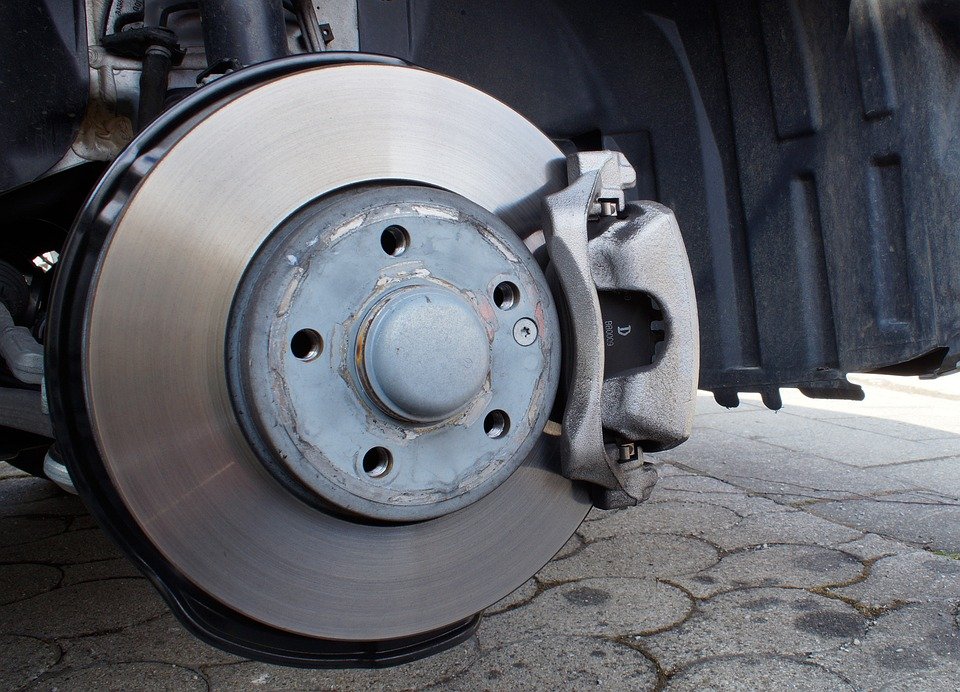
Brakes are one of the most crucial components of any vehicle, ensuring the safety of the driver, passengers, and others on the road. Among the various parts of a braking system, brake pads play a vital role. Over time, brake pads wear out due to friction and require timely replacement. Finding reliable brake pad replacement services near me is essential to maintaining vehicle safety and performance. This article will guide you through everything you need to know about brake pad replacement, from identifying signs of wear to choosing the right repair shop near you.
Understanding Brake Pads
Brake pads are flat components that press against a vehicle’s brake rotors to create the friction needed to slow down or stop the vehicle. They are made from durable materials designed to withstand high temperatures and stress but naturally wear out over time. Brake pads are a consumable part, meaning they need to be replaced periodically to maintain braking efficiency.
Types of Brake Pads
-
Organic Brake Pads
-
Made from materials like rubber, glass, and resin.
-
Produce less noise and are gentle on rotors.
-
Ideal for everyday driving but wear faster than other types.
-
-
Semi-Metallic Brake Pads
-
Contain a mix of metals and organic materials.
-
More durable and efficient at heat dissipation.
-
Slightly noisier than organic pads.
-
-
Ceramic Brake Pads
-
Made from ceramic fibers and bonding agents.
-
Produce minimal dust and are long-lasting.
-
Higher initial cost but excellent performance.
-
Signs You Need Brake Pad Replacement
Identifying worn-out brake pads early can prevent costly damage to other braking components. Here are the most common signs that your brake pads need replacement:
-
Squeaking or Squealing Noises
-
A high-pitched sound when braking indicates the pads are worn.
-
Many pads have a built-in wear indicator that triggers this noise.
-
-
Grinding Sound
-
A metal-on-metal grinding sound means the pads are completely worn down.
-
Immediate replacement is required to prevent rotor damage.
-
-
Vibration or Pulsation
-
If the brake pedal vibrates, it could indicate unevenly worn pads or warped rotors.
-
-
Longer Stopping Distances
-
Worn brake pads reduce friction, increasing the distance your vehicle needs to stop.
-
-
Visual Inspection
-
Thin pads (less than ¼ inch) need replacement.
-
Look for cracks or glazing on the pad surface.
-
How Brake Pad Replacement Works
Brake pad replacement involves removing the old pads and installing new ones, often alongside other brake system maintenance. Here’s a step-by-step overview:
-
Vehicle Preparation
-
Park on a level surface and secure the vehicle.
-
Lift the vehicle with a jack and remove the wheels.
-
-
Remove Old Brake Pads
-
Detach the caliper carefully and remove the old pads.
-
Inspect the rotor for wear or damage.
-
-
Install New Brake Pads
-
Apply anti-squeal lubricant to prevent noise.
-
Place the new pads into the caliper bracket.
-
-
Reassemble Components
-
Reattach the caliper and ensure bolts are tightened.
-
Reinstall wheels and lower the vehicle.
-
-
Brake Test
-
Pump the brake pedal to ensure proper pad seating.
-
Conduct a slow test drive to confirm braking efficiency.
-
Factors Affecting Brake Pad Life
Several factors can influence how long brake pads last, including:
-
Driving Habits: Frequent hard braking or city driving can wear pads faster.
-
Vehicle Type: Heavier vehicles or performance cars may need more frequent replacements.
-
Pad Material: Organic pads wear faster than ceramic or semi-metallic ones.
-
Road Conditions: Rough terrain and steep hills can accelerate wear.
On average, brake pads last between 30,000 and 70,000 miles, but regular inspections are key to safety.
Choosing a Reliable Brake Pad Replacement Service Near You
When searching for vehicle repair near me or brake pad replacement near me, choosing the right service center is crucial. Here’s what to look for:
1. Certified Technicians
-
Ensure the repair shop has trained and certified mechanics.
-
ASE certification or equivalent credentials indicate expertise.
2. Quality of Brake Pads
-
Ask about the types of brake pads used.
-
Opt for reputable brands or OEM (original equipment manufacturer) parts.
3. Transparent Pricing
-
A good service center provides a detailed estimate upfront.
-
Avoid shops that offer vague pricing or hidden fees.
4. Reviews and Reputation
-
Check online reviews on Google, Yelp, or local forums.
-
Positive customer feedback often reflects quality service.
5. Warranty
-
Reliable shops offer warranties on parts and labor.
-
A warranty protects you if issues arise shortly after replacement.
DIY vs. Professional Brake Pad Replacement
While some vehicle owners may consider DIY brake pad replacement, professional service is often recommended:
Pros of DIY
-
Cost savings on labor.
-
Convenient if you have tools and experience.
Cons of DIY
-
Requires specialized tools and mechanical knowledge.
-
Risk of incorrect installation leading to brake failure.
-
May void vehicle warranty.
Professional technicians ensure correct installation, inspect related components, and offer peace of mind.
Cost of Brake Pad Replacement
The cost varies depending on vehicle type, pad material, and location. Here’s a rough estimate:
-
Standard Cars: $100 – $300 per axle
-
Luxury or Performance Cars: $200 – $500 per axle
-
High-End or Specialty Vehicles: $400 – $800 per axle
Additional costs may include rotor resurfacing or replacement if needed. Always request a detailed estimate before service.
Maintaining Brake Pads for Longevity
Proper maintenance can extend brake pad life and ensure vehicle safety:
-
Avoid Hard Braking
-
Gradual braking reduces friction and wear.
-
-
Inspect Regularly
-
Check pads every 10,000 miles or during oil changes.
-
-
Keep Rotors Clean
-
Remove debris and rust that can cause uneven wear.
-
-
Use High-Quality Brake Fluid
-
Maintain proper hydraulic function and prevent corrosion.
-
-
Address Issues Promptly
-
Don’t ignore squeaking or vibration; early intervention prevents major damage.
-
When to Replace Rotors Along with Brake Pads
Brake rotors may need attention during brake pad replacement. Signs include:
-
Grooves or Scoring: Visible lines indicate rotor wear.
-
Warping: Pulsating brake pedal signals uneven surfaces.
-
Thickness Below Minimum: Rotors below manufacturer specifications must be replaced.
Replacing pads without checking rotors can reduce braking efficiency and lifespan of new pads.
The Importance of Timely Brake Pad Replacement
Driving with worn-out brake pads is risky and can lead to:
-
Reduced stopping power, increasing accident risk.
-
Damage to rotors and calipers, raising repair costs.
-
Noise and vibration, compromising comfort and safety.
-
Legal issues, as faulty brakes may fail vehicle inspections.
Timely replacement ensures optimal safety, performance, and peace of mind.
Finding “Brake Pad Replacement Near Me”
Modern technology makes it easy to locate reliable repair shops:
-
Google Search: Type “brake pad replacement near me” or “vehicle repair near me.”
-
Maps Apps: Check ratings, distance, and customer reviews.
-
Automotive Forums: Recommendations from local drivers.
-
Social Media: Local community groups often share trusted shops.
Always verify certifications, reviews, and warranty policies before choosing a service center.
Benefits of Professional Vehicle Repair Services
-
Expert Inspection – Technicians identify issues beyond brake pads.
-
Quality Parts – OEM or high-grade aftermarket components.
-
Safety Assurance – Correct installation and proper brake function.
-
Time Efficiency – Faster than DIY, especially for complex vehicles.
-
Warranty Coverage – Protection against part or labor defects.
Choosing a professional repair shop reduces stress and ensures long-term reliability.
Eco-Friendly Considerations
Modern brake pad replacements also consider environmental impact:
-
Low-Dust Pads: Reduce brake dust pollution.
-
Recyclable Materials: Many shops recycle old pads and rotors.
-
Proper Disposal: Technicians dispose of hazardous waste safely.
Selecting eco-conscious services helps protect both your vehicle and the environment.
Conclusion
Brake pads are essential for vehicle safety, and timely replacement is critical to prevent accidents, reduce repair costs, and maintain optimal braking performance. Identifying signs of wear, understanding replacement procedures, and choosing a certified repair shop near you ensures your vehicle remains safe on the road.
Whether you opt for a professional service or consider DIY replacement, safety should always be the priority. Searching for “brake pad replacement near me” or “vehicle repair near me” brings you closer to certified technicians who can provide quality service, peace of mind, and long-lasting braking performance.
Investing in proper brake maintenance is an investment in safety—for you, your passengers, and everyone on the road. Don’t wait until it’s too late; schedule your brake pad inspection or replacement today.