
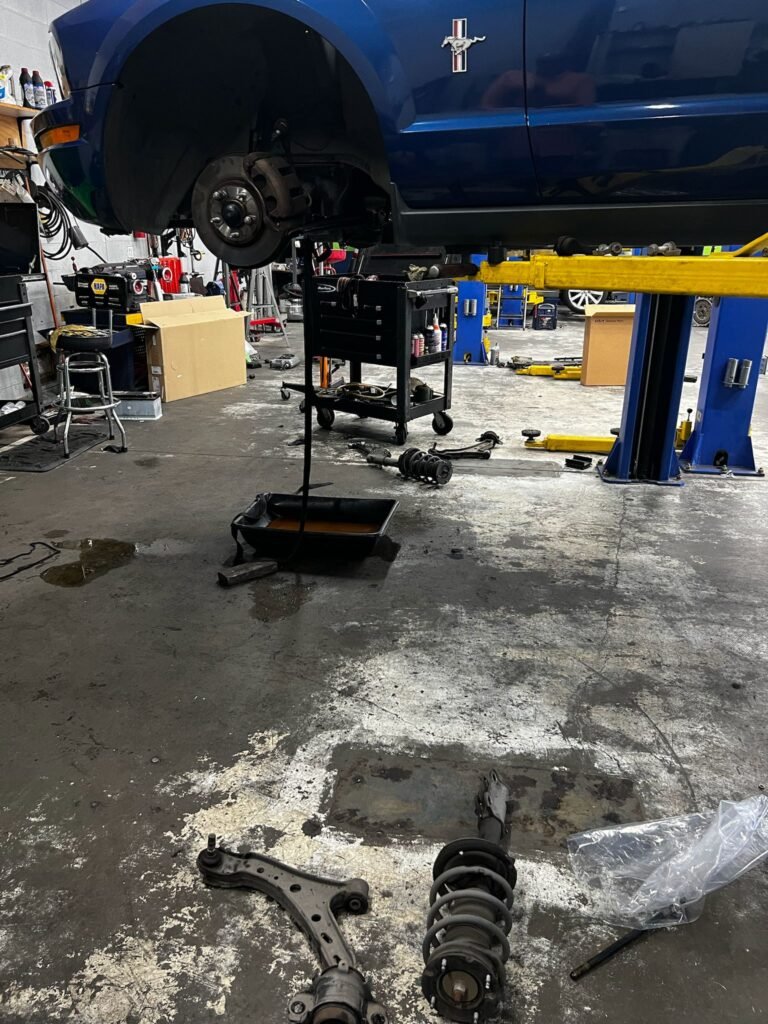
Your car’s suspension system is crucial for a smooth, safe ride. It absorbs shocks, maintains tire contact with the road, and ensures stability during turns and braking. But like all vehicle components, suspension parts wear out over time. When they do, repair or replacement is necessary—not just for comfort, but for safety. Understanding suspension repair costs can help you budget and make informed decisions when issues arise.
What is a Suspension System?
A car’s suspension system is a network of components—springs, shock absorbers (or struts), control arms, bushings, and more—that connect the vehicle to its wheels. It cushions the impact from road irregularities, supports the vehicle’s weight, and ensures optimal handling.
Key components:
- Springs: Support the vehicle’s weight and absorb bumps.
- Shock absorbers/struts: Control spring movement and dampen vibrations.
- Control arms & bushings: Connect the wheels to the frame, allowing up-and-down movement.
- Ball joints and tie rods: Allow steering and suspension movement.
Signs Your Suspension Needs Repair
Knowing when your suspension needs attention can save you from bigger, costlier problems. Look for these warning signs:
- Bumpy or rough ride
- Vehicle pulls to one side
- Uneven tire wear
- Nose dives or squats during braking or acceleration
- Leaking shock absorbers or struts
- Clunking or knocking noises over bumps
If you notice any of these symptoms, have your suspension inspected as soon as possible.
Common Suspension Repairs and Their Costs
Suspension repair costs vary widely depending on the make and model of your car, the parts needed, and labor rates in your area. Here’s a breakdown of common repairs:
1. Shock Absorber or Strut Replacement
- Parts Cost: $50–$250 per shock/strut
- Labor Cost: $150–$300 per axle
- Total (per axle): $200–$600
Most cars have four shocks or struts. Replacing all four can cost $400–$1200 or more.
2. Control Arm Replacement
- Parts Cost: $50–$200 per control arm
- Labor Cost: $100–$300 per arm
- Total (per arm): $150–$500
Some vehicles have upper and lower control arms, doubling the cost.
3. Ball Joint Replacement
- Parts Cost: $20–$100 per ball joint
- Labor Cost: $80–$150 per joint
- Total (per joint): $100–$250
Ball joints are crucial for steering and suspension movement.
4. Sway Bar Link or Bushing Replacement
- Parts Cost: $20–$100 per link/bushing
- Labor Cost: $50–$100 per side
- Total (per side): $70–$200
Worn bushings or links can cause clunks and poor handling.
5. Full Suspension Replacement
- Total Cost: $1,000–$5,000+
This is rare and usually only needed for high-mileage vehicles or performance upgrades.
Factors Affecting Suspension Repair Cost
Several factors influence how much you’ll pay for suspension repairs:
- Vehicle Make and Model: Luxury and performance cars typically have more expensive parts and labor.
- Type of Suspension: Air suspensions or adaptive systems cost more to repair than standard setups.
- Location: Labor rates vary by region; urban areas are usually pricier.
- Extent of Damage: Replacing multiple components increases costs.
- OEM vs. Aftermarket Parts: Original equipment manufacturer (OEM) parts are often more expensive than aftermarket options.
DIY vs. Professional Repair
Some minor suspension repairs, like replacing sway bar links or bushings, can be done by experienced DIYers with the right tools. However, most suspension work requires specialized knowledge and equipment. Incorrect installation can affect your vehicle’s safety and handling, so professional repair is recommended for most jobs.
How to Save on Suspension Repairs
- Get Multiple Quotes: Compare prices from different repair shops.
- Use Aftermarket Parts: These can be less expensive than OEM parts, but ensure they’re high quality.
- Bundle Repairs: If multiple components need replacing, doing them together can save on labor.
- Regular Maintenance: Inspecting your suspension regularly and fixing small issues early can prevent costly repairs.
- Check for Warranties: Some parts may be covered under warranty, reducing out-of-pocket costs.
Frequently Asked Questions
How often should suspension components be replaced?
Most shocks and struts last 50,000–100,000 miles, but this varies. Check your owner’s manual and have your suspension inspected regularly.
Can I drive with a bad suspension?
It’s not recommended. Worn suspension parts can reduce handling, increase stopping distance, and cause uneven tire wear—compromising your safety.
Are suspension repairs covered by warranty?
If your vehicle is still under manufacturer warranty, some suspension repairs may be covered. Check your warranty details.
Conclusion
Suspension repair costs can range from under $100 for minor fixes to several thousand dollars for major repairs or replacements. Regular inspections and timely repairs can help you avoid costly breakdowns and keep your vehicle riding smoothly and safely. Always consult a trusted mechanic for accurate diagnosis and repair options.