
- Introduction
- Importance of brakes in vehicle safety
- Why timely brake repair matters
- Understanding Your Vehicle’s Braking System
- Key components: pads, rotors, calipers, fluid, lines
- How brakes work
- Signs of brake problems
- Common Brake Issues
- Squeaking, grinding noises
- Vibrations or pulsations
- Soft or spongy brake pedal
- Warning lights
- Why You Shouldn’t Delay Brake Repairs
- Safety risks
- Increased repair costs
- Potential for further vehicle damage
- How to Find Reliable Brake Repair Near You
- Online search tips
- Reading reviews and ratings
- Checking certifications and experience
- What to Expect from a Professional Brake Repair Service
- Diagnostic process
- Typical repairs and replacements
- Quality parts and warranties
- Cost of Brake Repair Services
- Factors affecting price
- Average costs for common repairs
- Getting transparent quotes
- DIY vs. Professional Brake Repair
- When DIY is possible
- Risks of DIY brake work
- Benefits of professional service
- Questions to Ask Your Auto Repair Shop
- Experience with your vehicle make/model
- Types of parts used
- Warranty and guarantees
- Brake Maintenance Tips
- Regular inspections
- Fluid checks and changes
- Driving habits that extend brake life
- Conclusion
- Recap importance of brake repair
- Encouragement to prioritize safety
Brake Repair Near Me – Auto Repair Service
Introduction
Brakes are arguably the most critical safety feature in any vehicle. Whether you’re commuting to work, taking a road trip, or simply running errands around town, your car’s ability to stop reliably is essential for your safety and the safety of others on the road. When you notice something off with your brakes, searching for “brake repair near me” becomes more than just a convenience—it’s a necessity.
Timely brake repair isn’t just about keeping your vehicle running smoothly; it’s about preventing accidents and avoiding costly damage down the line. This comprehensive guide will help you understand the importance of brake repair, how to recognize issues, and how to find the best local auto repair service for your needs.
Understanding Your Vehicle’s Braking System
Your vehicle’s braking system is a complex assembly of components working together to slow or stop your car when you press the brake pedal. Understanding how this system works can help you identify problems early and communicate effectively with your auto repair technician.
- Brake Pads: These are friction materials that press against the brake rotors to create the stopping force.
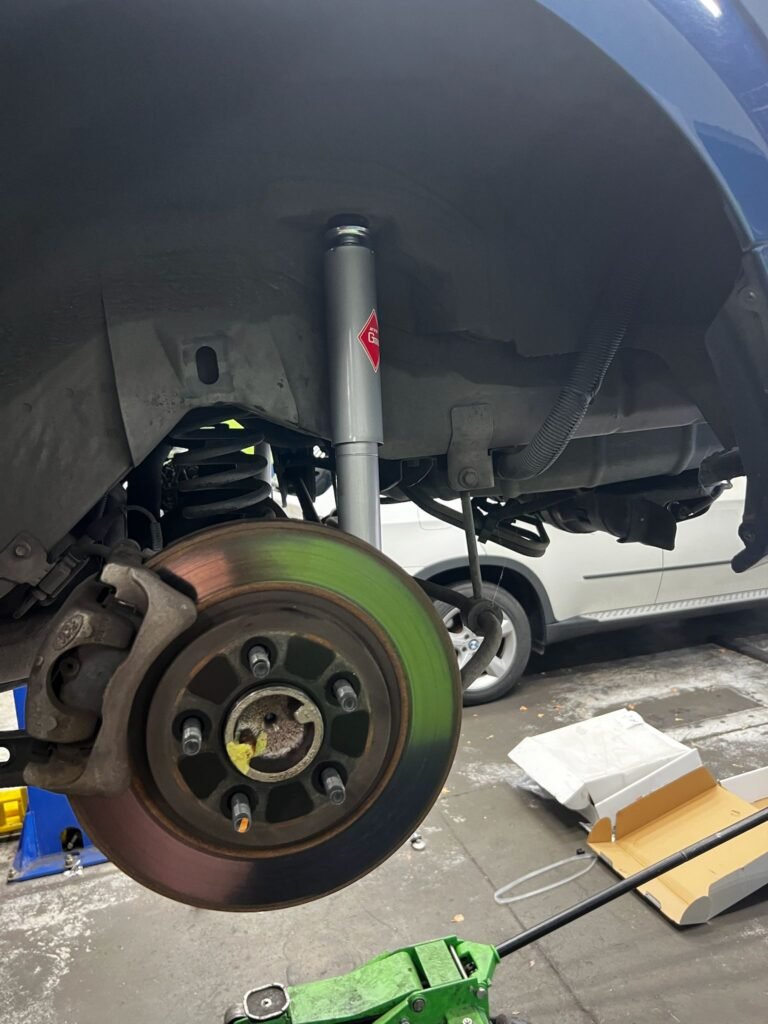
- Brake Rotors (Discs): Attached to each wheel, rotors provide a surface for the pads to grip and slow the vehicle.
- Calipers: These hydraulic components squeeze the brake pads against the rotors.
- Brake Fluid: Transfers force from your foot on the pedal to the calipers.
- Brake Lines: Carry the brake fluid throughout the system.
When you press the brake pedal, the force is amplified by the brake booster and transmitted through the brake fluid to the calipers, which then clamp the pads onto the rotors. This friction slows the spinning wheels and brings your vehicle to a stop.
Common Signs of Brake Problems
Recognizing early warning signs can save you money and keep you safe. Watch out for:
- Squeaking or grinding noises when braking
- A soft or spongy feeling in the brake pedal
- Vibrations or pulsations when stopping
- A warning light on your dashboard
- Longer stopping distances
If you experience any of these symptoms, it’s time to search for “brake repair near me” and schedule an inspection.
Common Brake Issues
Brakes undergo tremendous stress and wear over time, especially in stop-and-go traffic or hilly areas. Here are some of the most common problems drivers encounter:
- Worn Brake Pads: Over time, brake pads thin out and lose their effectiveness.
- Warped Rotors: Excessive heat or uneven wear can cause rotors to warp, leading to vibrations.
- Leaking Brake Fluid: A leak in the brake lines or master cylinder reduces braking power.
- Stuck Calipers: Calipers can seize, causing uneven or continuous braking.
- Contaminated Brake Fluid: Moisture or debris in the fluid can reduce braking efficiency.
Addressing these issues promptly is crucial to maintaining your vehicle’s safety and performance.
Why You Shouldn’t Delay Brake Repairs
Ignoring brake problems can have serious consequences. Here’s why immediate attention is necessary:
- Safety Risks: Faulty brakes increase your risk of accidents, putting you and others in danger.
- Increased Repair Costs: Minor issues, if left unchecked, can escalate into major repairs.
- Potential for Further Damage: Worn pads can damage rotors, and fluid leaks can harm other components.
Regular brake inspections and timely repairs are essential for peace of mind and financial savings.
How to Find Reliable Brake Repair Near You
With so many auto repair shops available, finding a trustworthy service can feel overwhelming. Here’s how to narrow your search:
- Online Search: Use search engines and map services to find “brake repair near me.” Focus on shops with detailed listings and positive customer feedback.
- Read Reviews: Check platforms like Google, Yelp, and local business directories for reviews and ratings.
- Check Certifications: Look for shops with ASE-certified technicians or affiliations with reputable automotive organizations.
- Ask About Experience: Choose a shop familiar with your vehicle’s make and model.
A little research goes a long way in ensuring you receive quality service.
What to Expect from a Professional Brake Repair Service
A reputable auto repair shop will follow a thorough process to diagnose and fix your brake issues:
- Inspection: Technicians will examine the entire braking system, including pads, rotors, calipers, and fluid.
- Diagnosis: They’ll identify the exact problem and explain the necessary repairs.
- Estimate: You’ll receive a clear, itemized quote before any work begins.
- Repair or Replacement: The shop will use quality parts to restore your brakes to optimal condition.
- Testing: After repairs, technicians will test your vehicle to ensure everything works correctly.
Many shops also offer warranties on parts and labor, providing added peace of mind.
Cost of Brake Repair Services
Brake repair costs can vary depending on several factors:
- Type of Vehicle: Luxury or performance vehicles often require specialized parts.
- Extent of Damage: Replacing pads is less expensive than replacing rotors or calipers.
- Parts Used: OEM (original equipment manufacturer) parts typically cost more than aftermarket alternatives.
- Labor Rates: Prices can vary by location and shop reputation.
Average Costs:
- Brake pad replacement: $100–$300 per axle
- Rotor resurfacing or replacement: $150–$400 per axle
- Caliper replacement: $300–$800 per axle
Always request a written estimate and ask about warranties before authorizing repairs.
DIY vs. Professional Brake Repair
Some car owners consider tackling brake repairs themselves to save money. While basic tasks like changing pads may be manageable for experienced DIYers with the right tools, there are significant risks:
- Safety: Improper installation can lead to brake failure.
- Complexity: Modern vehicles have advanced braking systems that may require special tools or knowledge.
- Warranty: DIY repairs can void warranties or insurance coverage.
For most drivers, professional brake repair is the safer and more reliable choice.
Questions to Ask Your Auto Repair Shop
Before committing to a brake repair service, ask these important questions:
- Are your technicians ASE-certified?
- Do you have experience with my vehicle’s make and model?
- What type of parts will you use—OEM or aftermarket?
- Is there a warranty on parts and labor?
- Can I see a written estimate before work begins?
Clear communication helps ensure you receive quality service and avoid surprises.
Brake Maintenance Tips
Preventative maintenance can extend the life of your brakes and save you money:
- Regular Inspections: Have your brakes checked every 10,000–15,000 miles or as recommended by your manufacturer.
- Fluid Checks: Replace brake fluid every 2–3 years to prevent contamination.
- Driving Habits: Avoid hard braking and heavy loads whenever possible.
- Listen and Feel: Pay attention to changes in sound, feel, or brake performance.
Staying proactive keeps your braking system in top shape.
Conclusion
Your vehicle’s brakes are vital to your safety on the road. By understanding how your braking system works, recognizing signs of trouble, and knowing how to find a trusted “brake repair near me,” you can keep your car running safely and efficiently. Don’t wait until small issues become major problems—prioritize brake repair and maintenance to protect yourself, your passengers, and everyone you share the road with.