
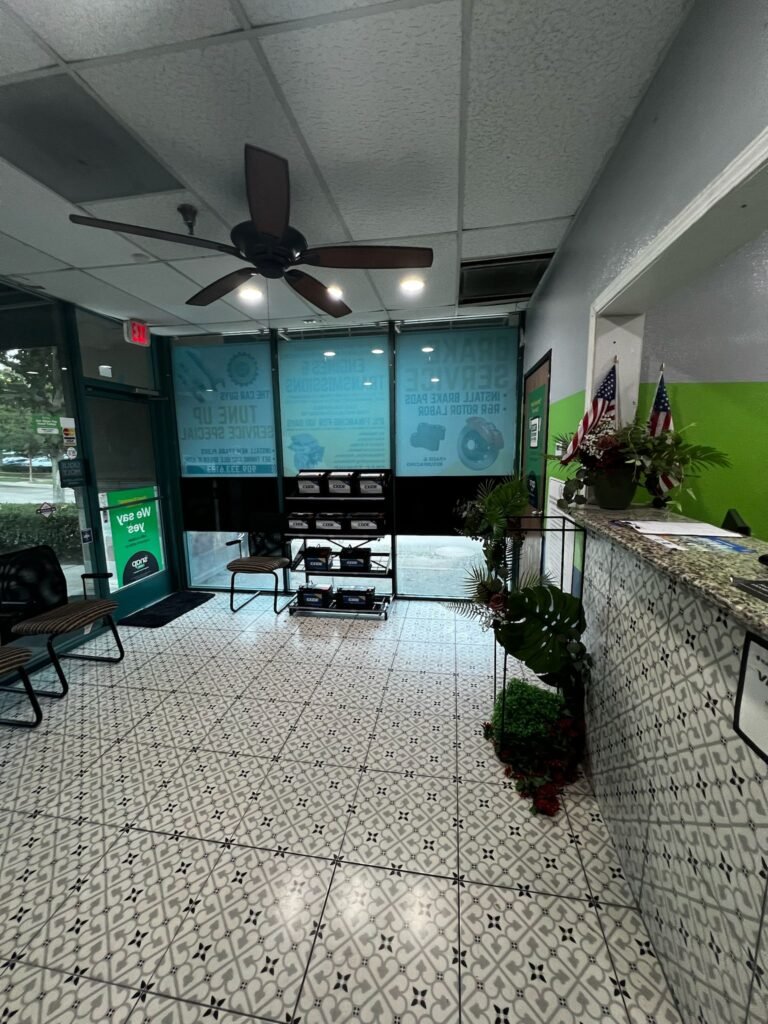
Brakes are among the most crucial safety components in any vehicle. Whether you drive a compact car, a family SUV, or a heavy-duty truck, the ability to stop safely and efficiently is vital. Over time, brake systems experience wear and tear, making regular inspection and timely repair essential for your safety and the longevity of your vehicle. If you’ve found yourself searching for “brake repair near me” or “automotive repair shops near me,” you’re not alone. This guide will help you understand everything you need to know about brake repair, how to find the best local shops, what to expect during service, and why timely brake maintenance matters.
Table of Contents
- Understanding Your Vehicle’s Braking System
- Common Signs Your Brakes Need Repair
- Why Timely Brake Repair Is Critical
- Types of Brake Services Offered by Automotive Repair Shops
- How to Find the Best Brake Repair Near Me
- Questions to Ask Your Local Automotive Repair Shop
- Average Costs for Brake Repair Services
- DIY vs. Professional Brake Repair
- What to Expect During a Brake Repair Appointment
- Top Qualities of a Reliable Automotive Repair Shop
- Customer Reviews: Why They Matter
- Warranties and Guarantees on Brake Repairs
- Preventative Maintenance Tips for Your Brakes
- Conclusion: Stay Safe with Regular Brake Maintenance
1. Understanding Your Vehicle’s Braking System
Your vehicle’s braking system is a complex network of parts working together to ensure you can stop safely. The main components include:
- Brake Pads: These create friction with the brake rotors to slow down your vehicle.
- Brake Rotors/Discs: Rotating discs that the pads clamp onto to stop the wheels.
- Brake Calipers: These house the brake pads and use hydraulic pressure to press them against the rotors.
- Brake Lines and Fluid: Hydraulic fluid travels through brake lines to transfer force from the pedal to the calipers.
- Master Cylinder: Converts pedal pressure into hydraulic force.
Understanding how these parts interact helps you recognize when something isn’t working as it should.
2. Common Signs Your Brakes Need Repair
Brakes give off warning signs when they need attention. Ignoring these can lead to costly repairs or, worse, dangerous driving conditions. Look out for:
- Squeaking or Squealing Noises: Often a sign that brake pads are worn.
- Grinding Sounds: Indicates metal-on-metal contact, usually from completely worn pads.
- Vibrations or Pulsations: Warped rotors can cause the brake pedal or steering wheel to shake.
- Soft or Spongy Pedal: May indicate air in the brake lines or a fluid leak.
- Longer Stopping Distances: If your car takes longer to stop, it’s time for an inspection.
- Warning Lights: Many modern cars have dashboard lights indicating brake issues.
If you notice any of these symptoms, search for “brake repair near me” and schedule a professional inspection immediately.
3. Why Timely Brake Repair Is Critical
Delaying brake repairs can compromise your safety and lead to more expensive damage. Here’s why prompt attention is essential:
- Safety: Faulty brakes increase your risk of accidents.
- Cost: Early repairs are often less expensive than waiting until major components fail.
- Longevity: Regular maintenance extends the life of your brake system and other related parts.
4. Types of Brake Services Offered by Automotive Repair Shops
When you visit an automotive repair shop for brake issues, you can expect several types of services, including:
- Brake Inspection: Technicians check pad thickness, rotor condition, and fluid levels.
- Brake Pad Replacement: Worn pads are swapped for new ones.
- Rotor Resurfacing or Replacement: Warped or heavily worn rotors are resurfaced or replaced.
- Brake Fluid Flush: Old, contaminated fluid is replaced with fresh fluid.
- Caliper Service: Sticking or leaking calipers are repaired or replaced.
- Brake Line Repair: Damaged or leaking lines are replaced to prevent fluid loss.
5. How to Find the Best Brake Repair Near Me
Finding a trustworthy repair shop is crucial for quality service and peace of mind. Here are steps to help you find the best options:
- Online Search: Start with a simple search for “brake repair near me” or “automotive repair shops near me.”
- Check Reviews: Look for shops with positive feedback on Google, Yelp, or local directories.
- Certifications: ASE (Automotive Service Excellence) certification is a good sign of qualified technicians.
- Ask for Recommendations: Friends, family, and coworkers can provide trusted referrals.
- Visit the Shop: A quick visit can tell you a lot about professionalism and cleanliness.
6. Questions to Ask Your Local Automotive Repair Shop
Before committing to a brake repair service, ask the following questions:
- What is included in the brake inspection?
- Do you use OEM (Original Equipment Manufacturer) or aftermarket parts?
- What warranties do you offer on parts and labor?
- How long will the repair take?
- Can I get a written estimate before work begins?
7. Average Costs for Brake Repair Services
Brake repair costs vary depending on your vehicle, the extent of the damage, and your location. Here’s a general breakdown:
- Brake Pad Replacement: $100–$300 per axle
- Rotor Resurfacing/Replacement: $150–$400 per axle
- Brake Fluid Flush: $70–$120
- Caliper Replacement: $150–$350 per caliper
Always request an estimate before authorizing repairs.
8. DIY vs. Professional Brake Repair
While some car owners tackle brake repairs themselves, there are pros and cons to consider:
- DIY Pros: Cost savings, learning experience, and control over parts used.
- DIY Cons: Requires tools, mechanical knowledge, and can be risky if done incorrectly.
- Professional Pros: Expertise, warranty on work, and access to specialized equipment.
- Professional Cons: Higher upfront cost.
If you’re not confident in your skills, it’s best to trust a qualified technician.
9. What to Expect During a Brake Repair Appointment
A typical brake repair appointment includes:
- Initial Inspection: The technician assesses your brakes and identifies issues.
- Estimate: You receive a detailed quote for recommended services.
- Service: Repairs are performed, which may include pad or rotor replacement, fluid flush, or caliper service.
- Test Drive: The technician tests your vehicle to ensure the brakes function correctly.
- Final Review: You receive a summary of the work performed and any future maintenance recommendations.
10. Top Qualities of a Reliable Automotive Repair Shop
When searching for “automotive repair shops near me,” look for these qualities:
- Transparency: Clear explanations and upfront pricing.
- Experienced Technicians: ASE-certified staff with a track record of quality work.
- Good Communication: Keeps you informed throughout the repair process.
- Clean Facilities: A tidy shop often reflects attention to detail.
- Positive Reviews: Consistently high ratings from past customers.
11. Customer Reviews: Why They Matter
Customer reviews offer valuable insights into a shop’s reliability, quality, and customer service. Look for patterns in feedback, such as:
- Timely service
- Honest estimates
- Quality of repairs
- Friendly staff
A shop with consistently positive reviews is more likely to provide a good experience.
12. Warranties and Guarantees on Brake Repairs
Reputable shops stand behind their work. Ask about:
- Parts Warranty: Coverage on brake pads, rotors, and other components.
- Labor Guarantee: Assurance that repairs are done right the first time.
- Satisfaction Guarantee: Some shops offer a money-back or redo policy if you’re not happy with the service.
13. Preventative Maintenance Tips for Your Brakes
To keep your brakes in top condition and avoid unexpected repairs:
- Regular Inspections: Have your brakes checked at every oil change.
- Replace Pads Early: Don’t wait for grinding noises—replace pads when they’re thin.
- Check Brake Fluid: Low or dirty fluid can cause problems.
- Avoid Hard Braking: Gentle stops reduce wear on pads and rotors.
- Listen for Changes: Pay attention to new noises, vibrations, or warning lights.
14. Conclusion: Stay Safe with Regular Brake Maintenance
Your brakes are your vehicle’s most important safety feature. Regular inspections and timely repairs ensure you and your passengers stay safe on the road. By understanding the signs of brake trouble, knowing what to expect from a repair shop, and following preventative maintenance tips, you can drive with confidence. When you search for “brake repair near me” or “automotive repair shops near me,” use this guide to make informed decisions and find a trusted local provider.
Need brake service now? Search for “brake repair near me” and schedule an appointment with a reputable automotive repair shop in your area today.