
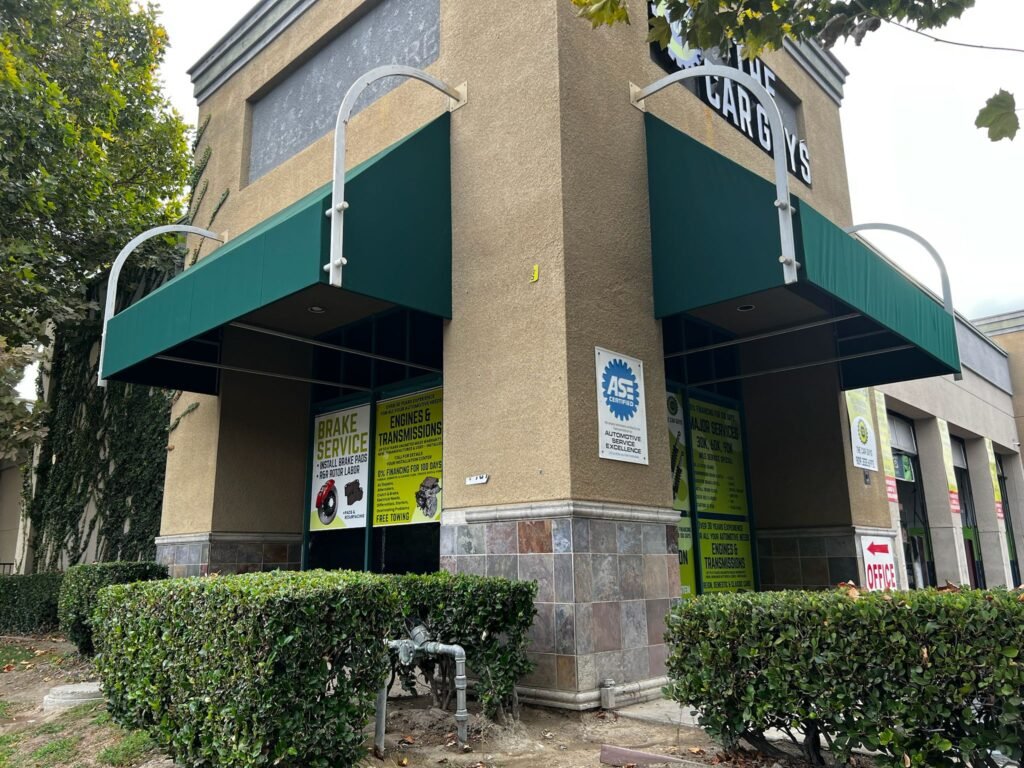
Brakes are one of the most critical safety components in any vehicle. Whether you drive a compact car, a family SUV, or a heavy-duty truck, maintaining your braking system is essential for your safety and the safety of others on the road. Over time, brake pads wear down, rotors may warp, and brake fluid can become contaminated. Ignoring these issues can lead to reduced braking performance or even complete brake failure. That’s why finding reliable “brake repair near me” is a top priority for responsible car owners.
In this article, we’ll explore everything you need to know about brake repair, how to identify when your brakes need attention, what to expect during a brake service, and how to find the best car fixing places near you. Whether you’re experiencing squeaky brakes, a spongy brake pedal, or just want to stay proactive with maintenance, this guide will help you make informed decisions for your vehicle’s health.
Table of Contents
- The Importance of Brake Maintenance
- Common Signs Your Brakes Need Repair
- Types of Brake Services
- How to Choose the Best Brake Repair Shop Near You
- Questions to Ask Before Getting Your Brakes Fixed
- Understanding Brake Repair Costs
- DIY Brake Inspection and Maintenance Tips
- The Role of Technology in Modern Brake Repair
- Frequently Asked Questions about Brake Repair
- Conclusion
1. The Importance of Brake Maintenance
Brakes are your car’s first line of defense against accidents. They allow you to slow down or stop quickly in response to changing road conditions, traffic signals, and unexpected obstacles. Proper brake maintenance ensures that your vehicle responds as expected every time you press the brake pedal.
Neglecting your brakes can lead to:
- Increased stopping distances
- Risk of collisions
- Costlier repairs down the line
- Potential legal issues if your car is deemed unsafe
Regular brake inspections and timely repairs not only keep you safe but also extend the lifespan of your vehicle.
2. Common Signs Your Brakes Need Repair
Recognizing early warning signs can save you money and prevent dangerous situations. Here are some common indicators that your brakes may need attention:
- Squeaking or Squealing Noises: High-pitched sounds often mean the brake pads are worn.
- Grinding Sound: This usually indicates that the brake pads are completely worn down, and the metal is contacting the rotor.
- Vibration or Pulsation: If you feel vibrations when braking, your rotors might be warped.
- Spongy or Soft Brake Pedal: A pedal that feels soft or sinks to the floor often points to air in the brake lines or a brake fluid leak.
- Pulling to One Side: If your car pulls to one side when braking, it could be a sign of uneven brake pad wear or a stuck caliper.
- Warning Lights: Many modern vehicles have dashboard warning lights for brake issues.
If you experience any of these symptoms, it’s crucial to search for “brake repair near me” and have your car inspected by a qualified mechanic.
3. Types of Brake Services
Brake repair is not a one-size-fits-all service. Depending on your vehicle’s needs, you may require one or more of the following services:
- Brake Pad Replacement: The most common brake service, replacing the pads that press against the rotors to create friction.
- Rotor Resurfacing or Replacement: Rotors can become warped or worn and may need to be resurfaced or replaced.
- Brake Fluid Change: Over time, brake fluid can absorb moisture, reducing its effectiveness.
- Caliper Replacement: Calipers hold the brake pads and can fail due to corrosion or wear.
- Brake Line Repairs: Leaks or cracks in the brake lines can lead to loss of braking power.
A reputable car fixing place will perform a thorough inspection and recommend only the services your vehicle genuinely needs.
4. How to Choose the Best Brake Repair Shop Near You
With many options available, choosing the right brake repair shop can feel overwhelming. Here are some tips to help you find a trustworthy service provider:
- Check Reviews and Ratings: Look for shops with positive customer feedback on Google, Yelp, or local directories.
- Certifications and Experience: ASE-certified mechanics and shops with years of experience tend to offer higher-quality service.
- Warranty on Repairs: Reputable shops stand behind their work with warranties on parts and labor.
- Transparent Pricing: Avoid places that give vague estimates or pressure you into unnecessary repairs.
- Convenient Location and Hours: Choose a shop that’s easy to reach and fits your schedule.
A quick search for “brake repair near me” will yield many results, but taking the time to vet each option ensures your safety and satisfaction.
5. Questions to Ask Before Getting Your Brakes Fixed
Before handing over your keys, ask the following questions:
- What specific brake services does my car need?
- Can you provide a written estimate?
- Are the replacement parts OEM (Original Equipment Manufacturer) or aftermarket?
- How long will the repair take?
- Is there a warranty on the parts and labor?
- Will you inspect the entire braking system for other issues?
Being proactive with these questions helps prevent misunderstandings and ensures you receive quality service.
6. Understanding Brake Repair Costs
Brake repair costs can vary based on your vehicle’s make and model, the extent of the damage, and the type of parts used. On average:
- Brake pad replacement: $100–$300 per axle
- Rotor replacement: $150–$400 per axle
- Brake fluid flush: $70–$120
- Caliper replacement: $150–$300 per caliper
Always request a detailed estimate and compare prices among several local shops. Remember, the cheapest option isn’t always the best—quality parts and skilled labor are worth the investment for your safety.
7. DIY Brake Inspection and Maintenance Tips
While some brake repairs should be left to professionals, you can perform basic checks at home:
- Visual Inspection: Look through your wheels to check the thickness of your brake pads.
- Listen for Unusual Noises: Pay attention to any squealing or grinding when braking.
- Check Brake Fluid Level: Low fluid can indicate a leak or worn pads.
- Test the Brake Pedal: The pedal should feel firm, not spongy or soft.
If you notice anything unusual, schedule a professional inspection promptly.
8. The Role of Technology in Modern Brake Repair
Modern vehicles come equipped with advanced braking technologies such as ABS (Anti-lock Braking System), electronic brakeforce distribution, and brake assist. These systems enhance safety but also require specialized diagnostic tools and expertise for repairs. When searching for “car fixing places near me,” ensure the shop has experience with your vehicle’s technology.
9. Frequently Asked Questions about Brake Repair
How often should I replace my brake pads?
Most brake pads last 30,000–70,000 miles, but driving habits and conditions can affect lifespan.
Can I drive with squeaky brakes?
Squeaky brakes can indicate worn pads. It’s best to have them checked as soon as possible.
Is it safe to replace just the pads and not the rotors?
If the rotors are in good condition, pads alone may be sufficient. However, worn or warped rotors should be replaced or resurfaced.
How long does a brake repair take?
Most brake repairs can be completed in 1–2 hours, but more extensive repairs may take longer.
10. Conclusion
Maintaining your vehicle’s brakes is non-negotiable when it comes to safety. By recognizing warning signs, understanding the types of brake services available, and choosing a reputable repair shop, you can keep your car in top condition and avoid costly or dangerous breakdowns. The next time you search for “brake repair near me” or “car fixing places near me,” use the tips in this guide to make an informed choice. Safe driving starts with reliable brakes—don’t wait until it’s too late to give them the attention they deserve.