
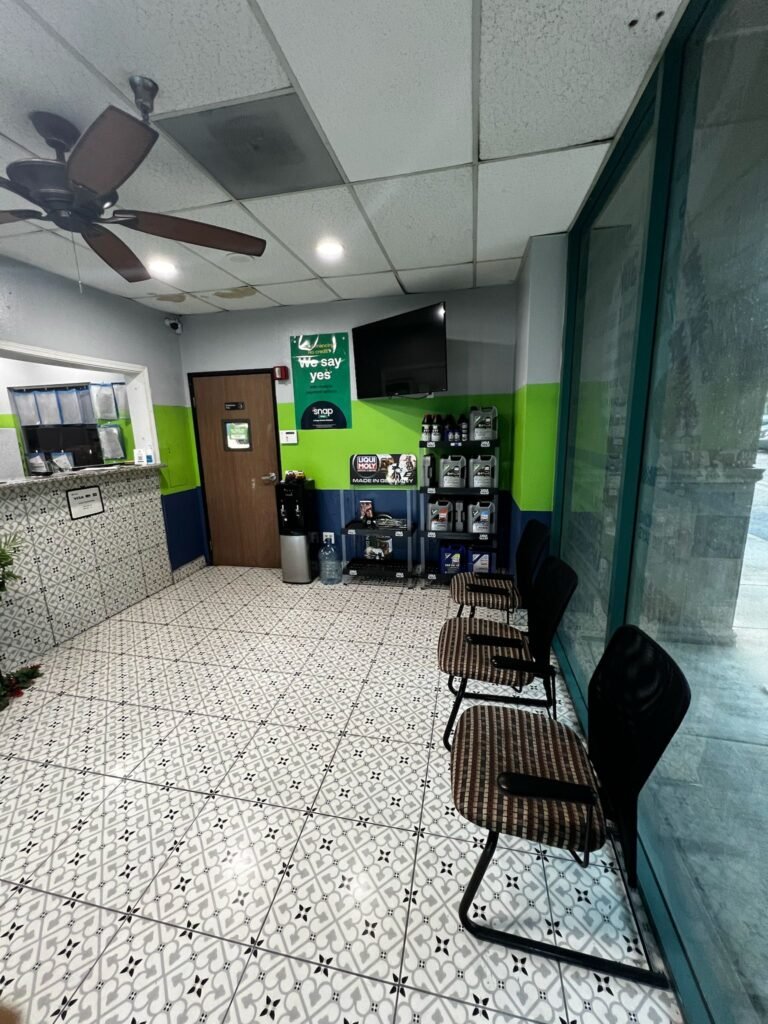
When it comes to vehicle safety, few systems are as crucial as your brakes. Whether you’re commuting daily, planning a road trip, or simply running errands, reliable brakes are essential for your peace of mind. If you’ve ever searched “brake repair near me” or “repair car near me,” you’re not alone. Many drivers seek trustworthy, local experts to keep their vehicles running smoothly and safely. In this comprehensive guide, we’ll cover everything you need to know about brake repair, from warning signs to finding the best local shops, costs, maintenance tips, and more.
Why Brake Repair is So Important
Your car’s braking system is its primary safety feature. Brakes allow you to slow down or stop quickly, preventing accidents and ensuring you remain in control under all driving conditions. Over time, brake components wear out due to friction and heat, making regular inspection and timely repairs critical.
Key Functions of the Brake System
- Stopping the vehicle safely
- Controlling speed on descents
- Assisting in emergency maneuvers
- Preventing collisions
Neglecting brake maintenance can lead to longer stopping distances, increased risk of accidents, and costly repairs down the line.
Common Signs You Need Brake Repair
Recognizing the symptoms of brake problems early can save you money and keep you safe. Here are the most common warning signs that indicate your brakes need attention:
- Squealing or Grinding Noise: High-pitched squeals or grinding sounds when braking usually mean your brake pads are worn out.
- Vibration or Pulsation: If you feel a vibration or pulsation in the brake pedal, your rotors may be warped or uneven.
- Soft or Spongy Pedal: A pedal that feels soft or sinks to the floor could indicate air in the brake lines or a brake fluid leak.
- Pulling to One Side: If your car pulls to one side when braking, you might have a stuck caliper or uneven brake pad wear.
- Warning Lights: The brake warning light on your dashboard signals a problem with the system.
- Longer Stopping Distances: If it takes longer than usual to stop, your brakes may be failing.
If you notice any of these issues, it’s essential to search for “brake repair near me” and schedule a professional inspection as soon as possible.
Types of Brake Repair Services
Brake repair isn’t a one-size-fits-all solution. Depending on the problem, the necessary service may range from simple adjustments to complete system overhauls. Here are the most common brake repair services:
1. Brake Pad Replacement
Brake pads are designed to wear down over time. Replacing them is a routine maintenance task and one of the most common brake repairs.
2. Rotor Resurfacing or Replacement
Brake rotors can become warped or grooved. Depending on their condition, they can be resurfaced (machined) or replaced.
3. Brake Fluid Flush
Brake fluid absorbs moisture and can become contaminated. A brake fluid flush ensures optimal hydraulic performance.
4. Caliper Repair or Replacement
Calipers squeeze the brake pads against the rotors. If they stick or leak, they may need servicing or replacement.
5. Brake Line Repair
Brake lines carry fluid to your brakes. Leaks or corrosion can compromise braking efficiency and require immediate attention.
6. Master Cylinder Repair
The master cylinder generates hydraulic pressure. Failure can result in total brake loss and demands urgent repair.
How to Find the Best “Brake Repair Near Me”
Searching for “brake repair near me” yields countless results, but not all auto shops offer the same level of expertise or customer service. Here’s how to find a reliable, local brake repair specialist:
1. Check Online Reviews
Websites like Google, Yelp, and Facebook provide customer reviews and ratings. Look for shops with consistently positive feedback, especially regarding brake services.
2. Ask for Recommendations
Friends, family, and coworkers can recommend trustworthy mechanics in your area.
3. Verify Certifications
Look for shops with ASE-certified technicians or affiliations with reputable industry organizations.
4. Compare Quotes
Get estimates from multiple shops. While price matters, don’t sacrifice quality for savings.
5. Assess Customer Service
Friendly, knowledgeable staff who explain repairs clearly are a good sign of a reputable shop.
6. Look for Warranties
Shops that stand by their work often offer warranties on parts and labor.
What to Expect During a Brake Repair Appointment
Understanding what happens during a brake repair visit can help you feel more confident and informed.
Step 1: Initial Inspection
A technician will inspect your brake pads, rotors, calipers, lines, and fluid. They’ll check for wear, leaks, and other issues.
Step 2: Diagnosis
After the inspection, the mechanic will explain what needs repair or replacement and provide an estimate.
Step 3: Repair or Replacement
Once you approve the work, the technician will replace worn parts, flush fluid if necessary, and test the system.
Step 4: Final Safety Check
A reputable shop will test drive your vehicle and ensure the brakes function correctly before returning your car.
How Much Does Brake Repair Cost?
The cost of brake repair varies depending on your vehicle, the extent of the damage, and local labor rates. Here’s a general breakdown:
- Brake Pad Replacement: $100–$300 per axle
- Rotor Resurfacing: $40–$80 per rotor
- Rotor Replacement: $200–$400 per axle
- Brake Fluid Flush: $70–$120
- Caliper Replacement: $150–$300 each
Luxury vehicles or specialty parts may cost more. Always request a detailed estimate before authorizing repairs.
DIY vs. Professional Brake Repair
Some car enthusiasts handle basic brake repairs themselves, but most drivers should rely on professionals. Here’s why:
DIY Pros
- Can save on labor costs
- Offers a sense of accomplishment
DIY Cons
- Requires specialized tools and knowledge
- Mistakes can lead to accidents
- May void warranties
Professional Pros
- Expert diagnosis and repair
- Access to quality parts
- Work is often guaranteed
Professional Cons
- Higher upfront cost
For safety-critical systems like brakes, professional service is usually the best choice.
Preventive Maintenance Tips for Your Brakes
Routine care can extend the life of your brakes and save money in the long run. Here’s how to keep your brake system healthy:
- Check Brake Fluid: Top off or replace as needed.
- Inspect Pads and Rotors: Have them checked at every oil change.
- Listen for Unusual Noises: Address squealing or grinding immediately.
- Avoid Hard Braking: Gentle stops reduce wear.
- Flush Fluid Regularly: Follow your vehicle’s maintenance schedule.
- Watch for Warning Lights: Don’t ignore dashboard alerts.
Frequently Asked Questions About Brake Repair
How often should I replace my brake pads?
Most brake pads last 30,000–70,000 miles, but driving habits and conditions can affect their lifespan. Check your owner’s manual and have them inspected regularly.
Can I drive with worn brake pads?
Driving with worn brake pads is dangerous. It increases stopping distance and can damage rotors, leading to more expensive repairs.
How long does brake repair take?
Most brake repairs, like pad or rotor replacement, can be completed in 1–2 hours. More extensive repairs may take longer.
Why is my brake pedal soft?
A soft pedal often indicates air in the brake lines or a fluid leak. Both require immediate attention from a professional.
What causes brake squeal?
Squealing can result from worn pads, glazed rotors, or lack of lubrication on contact points. It’s a sign you should have your brakes inspected.
The Benefits of Choosing a Local Brake Repair Shop
Opting for a local shop offers several advantages:
- Convenience: Close to home or work
- Personalized Service: Local shops often build relationships with customers
- Quick Turnaround: Less waiting compared to big chains
- Supporting Local Business: Keeps money in your community
When searching “brake repair near me,” prioritize local, reputable shops for the best experience.
What to Ask Before Approving Brake Repairs
To ensure you’re making an informed decision, ask your mechanic:
- What exactly needs to be repaired or replaced?
- Are the parts original equipment or aftermarket?
- Is there a warranty on parts and labor?
- Can I see the worn or damaged parts?
- What is the total cost, including labor and parts?
A trustworthy shop will answer your questions clearly and provide transparent pricing.
Emergency Brake Repair: What to Do If Your Brakes Fail
Brake failure is rare but serious. If you experience brake loss:
- Stay Calm: Don’t panic.
- Downshift: Use lower gears to slow down.
- Pump the Brakes: This may build enough pressure for one last stop.
- Use the Emergency Brake: Apply it gradually to avoid skidding.
- Steer to Safety: Move to the side of the road and stop as safely as possible.
- Call for Help: Do not attempt to drive further.