
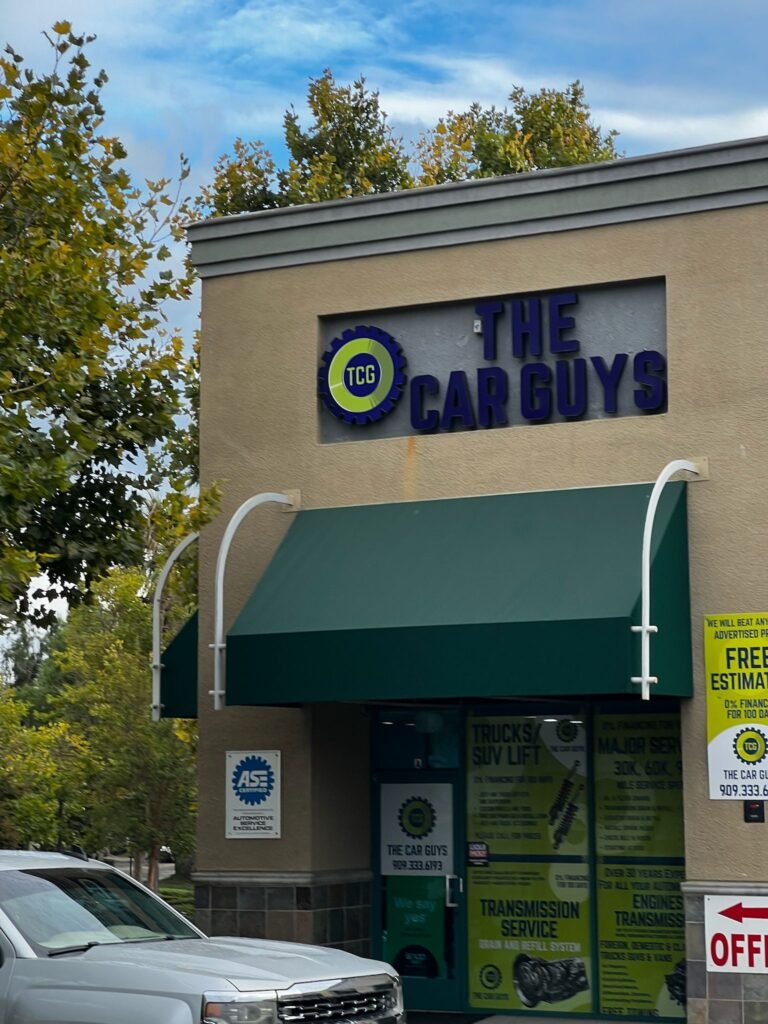
Your car’s braking system is one of its most critical safety components. Whether you drive daily through busy city streets or take long highway trips, having a reliable brake system is non-negotiable. When you start hearing squeaking, grinding, or notice your vehicle pulling to one side while braking, it’s time to search for “brake repair near me” or “auto repair close to me.”
In this comprehensive guide, we’ll explore everything you need to know about brake repair services — from understanding how your brake system works to recognizing the signs of wear, knowing when to visit an auto shop, and finding the best local professionals to keep your vehicle safe and sound.
1. Understanding the Importance of Brake Repair
Your brakes are your car’s first line of defense against accidents. They help you control your vehicle, stop effectively, and maintain safe distances on the road. Neglecting brake issues can lead not only to expensive repairs but also to serious safety hazards.
Regular brake maintenance ensures:
-
Optimal safety – quick and effective stopping in emergencies.
-
Better vehicle performance – smoother rides and consistent control.
-
Extended lifespan – for rotors, pads, and calipers.
-
Cost savings – by preventing minor issues from becoming major ones.
When you invest in regular brake inspections, you’re investing in your safety and peace of mind.
2. Components of Your Brake System
Before diving into brake repair services, it’s helpful to understand what makes up your braking system. Here are the main components:
a. Brake Pads
Brake pads are friction materials that press against the rotors to stop the car. Over time, they wear down and need replacement.
b. Rotors (Brake Discs)
Rotors work with the pads to create friction. Warped or damaged rotors can cause vibrations or pulsations during braking.
c. Calipers
Brake calipers house the brake pads and pistons. They squeeze the pads against the rotors when you press the brake pedal.
d. Brake Lines & Fluid
Brake fluid transfers pressure from your foot on the brake pedal to the wheels. Leaks or old fluid can reduce braking power.
e. Master Cylinder
The master cylinder converts pedal pressure into hydraulic pressure, ensuring the brakes respond accurately.
Each component plays a vital role. A failure in one can affect the entire system, which is why professional inspections are essential.
3. Common Signs You Need Brake Repair
It’s easy to overlook early brake issues, but catching them in time can prevent dangerous situations. Look out for these warning signs:
1. Squeaking or Squealing Noises
When brake pads wear thin, they produce a high-pitched squeal as a built-in wear indicator. It’s a signal that you need new pads soon.
2. Grinding Sound
Grinding means the pads are completely worn and the metal backing is contacting the rotors. This can cause expensive damage if ignored.
3. Vibrations When Braking
If your steering wheel or brake pedal shakes while braking, it could mean warped rotors or uneven pad wear.
4. Soft or Spongy Brake Pedal
If your brake pedal feels soft or sinks to the floor, there might be air in the brake lines or a leak in the system.
5. Car Pulls to One Side
Uneven braking force often indicates a stuck caliper or uneven pad wear, which needs immediate attention.
6. Brake Warning Light
If the brake warning light appears on your dashboard, schedule a brake inspection right away.
7. Burning Smell
A strong burning odor while driving could indicate overheated brakes — stop driving and let the system cool down.
Ignoring these signs can compromise your safety and lead to more costly repairs later.
4. Why Timely Brake Repair Matters
Delaying brake service might seem convenient, but it comes with risks.
Safety Concerns
Worn-out brakes reduce stopping power, making it harder to avoid collisions.
Higher Repair Costs
Neglecting brake issues can lead to rotor or caliper damage, which costs much more than simple pad replacement.
Reduced Performance
Bad brakes affect handling, steering response, and overall comfort.
Long-Term Damage
Driving with faulty brakes can damage other components like wheel bearings or suspension parts.
Regular inspections prevent these issues and ensure your car performs as intended.
5. Types of Brake Repair Services Offered by Auto Shops
When you search “brake repair near me” or “auto repair close to me,” you’ll find that most shops offer a range of brake services. Here are the most common ones:
1. Brake Inspection
A detailed check of the brake system to identify wear, fluid condition, and potential issues.
2. Brake Pad Replacement
Replacing old or worn-out brake pads with new ones — one of the most common brake services.
3. Rotor Resurfacing or Replacement
If rotors are uneven, a mechanic can resurface them; if damaged beyond repair, they’ll replace them.
4. Caliper Repair or Replacement
Stuck or leaking calipers can be fixed or replaced for proper braking balance.
5. Brake Fluid Flush
Old fluid can absorb moisture, leading to corrosion. A brake fluid flush ensures clean, effective fluid circulation.
6. ABS (Anti-lock Braking System) Repair
Technicians diagnose and repair ABS sensors, control modules, and circuits for better stability and control.
7. Emergency Brake Repair
Your parking brake or handbrake ensures safety when parked. Shops can adjust or repair this system as needed.
These services help restore your car’s braking efficiency and ensure road safety.
6. How to Find the Best Brake Repair Near You
With so many auto repair shops available, finding a trustworthy one can feel overwhelming. Here’s how to choose the right brake repair service near you:
1. Check Online Reviews
Read reviews on Google, Yelp, or local directories. Look for consistent feedback about honesty, pricing, and quality of work.
2. Ask for Certifications
Look for ASE (Automotive Service Excellence) certified technicians. This indicates professionalism and expertise.
3. Compare Prices
While affordability matters, extremely cheap services can indicate low-quality parts or inexperienced technicians.
4. Ask About Warranties
Good repair shops stand behind their work with parts and labor warranties.
5. Evaluate Customer Service
Friendly, transparent communication is a sign of a reputable shop. They should explain problems clearly before doing any work.
6. Check for OEM or High-Quality Parts
Ask whether they use Original Equipment Manufacturer (OEM) or equivalent quality brake components.
7. Convenience & Location
Choose a nearby shop that’s easy to access and can offer same-day or next-day service when needed.
Your search for “brake repair near me” should prioritize trust, expertise, and quality rather than just low cost.
7. What Happens During a Brake Repair Appointment
Knowing what to expect can make your visit smoother and more efficient.
Step 1: Initial Inspection
A technician will test-drive your vehicle and inspect pads, rotors, fluid, and lines for signs of wear or damage.
Step 2: Diagnosis
Using diagnostic tools, they’ll measure pad thickness, rotor condition, and brake fluid pressure to identify issues.
Step 3: Estimate & Approval
You’ll receive an estimate outlining parts and labor costs. The shop won’t start work until you approve.
Step 4: Repair or Replacement
Depending on the issue, the technician will replace pads, resurface rotors, bleed fluid, or repair calipers.
Step 5: Final Testing
The mechanic will test-drive the car to ensure brakes function properly and check for leaks or noises.
Step 6: Customer Walkthrough
A good shop will explain what was done, show replaced parts if requested, and give maintenance advice.
This process ensures transparency and guarantees your car leaves the shop in safe condition.
8. Average Cost of Brake Repair Services
Brake repair prices depend on your vehicle type, the parts used, and labor rates in your area. Here’s a general cost breakdown:
| Service Type | Average Cost (Per Axle) |
|---|---|
| Brake Pad Replacement | $120 – $300 |
| Rotor Resurfacing | $150 – $250 |
| Rotor Replacement | $250 – $500 |
| Caliper Replacement | $250 – $600 |
| Brake Fluid Flush | $90 – $150 |
| Full Brake System Replacement | $600 – $1,200 |
Luxury vehicles or those with advanced braking systems (like performance or hybrid cars) may cost more due to specialized parts.
Tip: Always ask for a detailed written estimate before agreeing to service.
9. How Often Should You Get Brake Service?
Brake life depends on driving habits, terrain, and vehicle type. Generally:
-
Brake Pads: Replace every 30,000–70,000 miles.
-
Brake Fluid: Flush every 2–3 years or as recommended.
-
Rotors: Replace or resurface every 50,000–70,000 miles.
-
Brake Inspection: Every 6 months or 6,000–10,000 miles.
If you drive in heavy traffic or tow frequently, your brakes will wear faster. Regular inspections catch problems early and help avoid sudden failures.
10. DIY Brake Maintenance Tips
While major repairs should be left to professionals, you can take steps to maintain your brakes:
1. Check Brake Fluid Regularly
Ensure the brake fluid level is within the recommended range. If it’s low, top it off with the correct type (check your owner’s manual).
2. Avoid Hard Braking
Frequent hard stops can overheat and wear brakes prematurely.
3. Clean Brake Dust
Use a soft brush or mild cleaner to remove brake dust that can corrode components.
4. Listen for Changes
Unusual noises or pedal feel changes are early warning signs — don’t ignore them.
5. Schedule Regular Inspections
Even if everything feels fine, routine inspections prevent surprises.
A proactive approach can extend the life of your brakes and reduce repair costs.
11. Why Choose a Local Auto Repair Shop for Brake Service
When searching for “auto repair close to me”, local shops often provide better value and personalized service than big chains.
Benefits of Local Shops:
-
Personalized Care: You’re more than just another customer.
-
Faster Service: Quicker turnaround for repairs and parts.
-
Trusted Reputation: Local shops rely on community trust.
-
Competitive Pricing: Often lower labor rates than dealerships.
-
Direct Communication: You can speak directly with the mechanic.
Supporting local businesses means you’ll likely get honest advice, quality work, and a relationship you can rely on for future repairs.
12. Brake Repair for Different Vehicle Types
Every vehicle has unique braking needs. Here’s how they differ:
1. Sedans and Compact Cars
Standard brake systems are relatively simple and affordable to maintain.
2. SUVs and Trucks
Heavier vehicles need larger rotors and calipers for added stopping power. Brake jobs may cost more but are essential for safety.
3. Sports Cars
Performance brakes require high-quality pads and fluid for high-speed braking efficiency.
4. Hybrids and Electric Vehicles
These use regenerative braking systems, which can reduce wear but need specialized service for components like brake boosters and electronics.
5. Commercial Vehicles
Fleet and delivery vehicles need frequent inspections due to heavy use.
Knowing your vehicle’s specific requirements ensures optimal brake service and safety.
13. Environmental Impact of Brake Repair
Brake dust and old components can affect the environment. Modern auto repair shops follow eco-friendly practices such as:
-
Recycling old brake parts.
-
Using low-copper or copper-free brake pads.
-
Proper disposal of brake fluid.
-
Installing high-efficiency filters to minimize dust emissions.
Choosing a responsible shop helps reduce your car’s environmental footprint.
14. FAQs About Brake Repair Near Me
1. How long does a brake repair take?
Most brake repairs take 1–3 hours, depending on the work required. Complex jobs may take longer if parts need ordering.
2. Can I drive with squeaky brakes?
You can, but you shouldn’t. It’s often a sign of worn pads — fix it before it leads to damage.
3. How do I know if my rotors need replacing?
If you feel vibrations or see grooves on the rotors, they likely need resurfacing or replacement.
4. Are ceramic brake pads better?
Yes. Ceramic pads are quieter, produce less dust, and last longer than semi-metallic pads.
5. Does brake fluid go bad?
Yes. Brake fluid absorbs moisture over time, reducing efficiency. Flush it every 2–3 years.
6. Should I replace all four brakes at once?
It’s common to replace brakes per axle (front or rear), but a technician can advise based on wear levels.
15. The Bottom Line: Keep Your Brakes Reliable
When it comes to safety, nothing is more important than your brakes. Whether it’s a simple pad replacement or a full system overhaul, choosing a qualified auto repair close to you ensures your vehicle performs safely and efficiently.
By staying alert to warning signs and scheduling regular maintenance, you can avoid expensive repairs, improve performance, and keep your family safe on the road.
So, the next time you hear a squeak or feel a vibration, don’t delay — search for “brake repair near me” and visit a trusted auto repair shop close to you. Regular attention today prevents major trouble tomorrow.
Final Thoughts
Brake repair is not just another car service — it’s a crucial investment in your safety and your vehicle’s longevity. With the right maintenance, reliable technicians, and quality parts, you can ensure every drive is smooth, controlled, and secure.
Remember, your brakes aren’t just about stopping — they’re about keeping you going safely.