
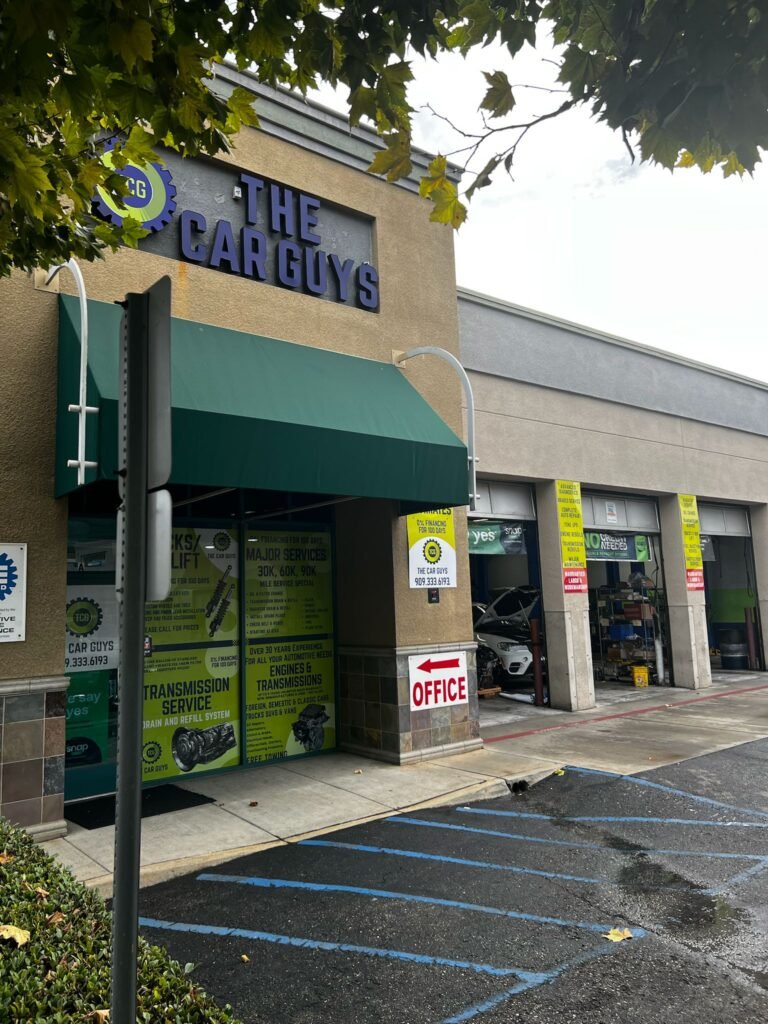
When it comes to keeping your vehicle safe, few systems are as critical as your brakes. Every time you step on the brake pedal, your car’s braking system works hard to slow or stop your vehicle. Over time, wear and tear, heat, and driving habits can cause brake components to deteriorate. That’s when you start searching for “brake repair near me” or “automotive shops near me.”
Finding a trustworthy local auto repair shop for brake service isn’t just about convenience — it’s about ensuring your car’s safety, reliability, and performance. In this comprehensive guide, we’ll explore everything you need to know about brake repair: how brakes work, signs of brake problems, average repair costs, how to choose the best automotive shop near you, and much more.
Understanding How Your Brake System Works
Before diving into repairs, it’s helpful to understand what your brake system does and why it’s so important.
The modern braking system is a complex network of components designed to convert your foot’s pressure into stopping power. Here’s how it typically works:
-
Brake Pedal and Master Cylinder
When you press the brake pedal, it activates the master cylinder, which converts mechanical force into hydraulic pressure. -
Brake Lines and Fluid
The hydraulic pressure travels through brake lines filled with brake fluid, transmitting force evenly to all four wheels. -
Brake Calipers and Pads
At each wheel, brake calipers use that hydraulic pressure to squeeze brake pads against brake rotors (in disc brakes), creating friction that slows the car. -
Rotors and Drums
Disc brakes use rotors, while drum brakes (common on rear wheels of some cars) use brake shoes pressing against the inside of a rotating drum. -
ABS (Anti-lock Brake System)
Many modern cars have ABS, which prevents wheel lockup during hard braking by modulating brake pressure.
Each of these parts must work perfectly together for safe stopping. When one part fails, it can compromise your entire braking system.
Common Signs You Need Brake Repair
Recognizing early warning signs can save you from costly repairs and dangerous driving situations. Here are the most common symptoms that indicate you should search for brake repair near me right away:
1. Squealing or Screeching Sounds
High-pitched noises when braking often mean your brake pads are worn. Most pads have built-in wear indicators that make this noise to alert you it’s time for a replacement.
2. Grinding Noise
A grinding sound can mean your brake pads are completely worn through, allowing metal-on-metal contact between the rotor and caliper. This causes serious damage and reduces braking efficiency.
3. Vibration or Pulsation
If you feel vibrations through the brake pedal or steering wheel when braking, your brake rotors may be warped or unevenly worn.
4. Soft or Spongy Pedal
If the brake pedal feels soft, sinks to the floor, or requires extra effort, it could indicate air in the brake lines, low brake fluid, or a failing master cylinder.
5. Pulling to One Side
When your car pulls to one side while braking, it might be due to uneven brake pad wear, a stuck caliper, or uneven hydraulic pressure.
6. Brake Warning Light
If your dashboard’s brake warning light or ABS light is on, it’s a clear signal to visit an automotive shop immediately for diagnosis.
7. Burning Smell
A sharp burning odor after braking could indicate overheated brakes or a stuck caliper, both of which are unsafe to ignore.
Why Timely Brake Repair Is Essential
Delaying brake service can lead to more than just expensive repairs — it can endanger your safety. Here’s why prompt brake maintenance is critical:
-
Safety First: Faulty brakes dramatically increase stopping distance and risk of accidents.
-
Prevent Damage: Worn pads can damage rotors and calipers, leading to costlier repairs.
-
Save Money: Routine brake inspections and pad replacements cost less than full system overhauls.
-
Improve Performance: New pads and properly functioning rotors ensure smooth, confident braking.
-
Increase Vehicle Longevity: Regular brake maintenance supports your vehicle’s overall health.
If you’re noticing issues or have gone more than a year without a brake inspection, it’s time to schedule service with a trusted automotive shop near you.
Types of Brake Services Offered at Automotive Shops Near You
When you search “brake repair near me” or “automotive shops near me,” you’ll find a variety of brake-related services. Understanding what each service includes can help you make informed decisions.
1. Brake Inspection
A professional brake inspection involves checking:
-
Brake pads and shoes for wear
-
Rotors or drums for damage
-
Brake lines and hoses for leaks
-
Calipers for sticking or corrosion
-
Brake fluid level and condition
-
Parking brake function
Most auto repair shops offer free or low-cost inspections.
2. Brake Pad Replacement
Replacing worn brake pads is one of the most common services. Quality pads restore smooth, quiet braking and prevent damage to rotors. Most pads last 25,000–70,000 miles, depending on driving habits.
3. Rotor Resurfacing or Replacement
Warped or deeply grooved rotors can be resurfaced (machined smooth) or replaced entirely. Mechanics will measure rotor thickness to determine if resurfacing is safe.
4. Brake Fluid Flush
Brake fluid absorbs moisture over time, reducing performance. Flushing and replacing the fluid every 2 years or 30,000 miles helps maintain proper hydraulic pressure and prevents corrosion.
5. Caliper Repair or Replacement
Calipers can seize or leak due to corrosion or worn seals. Replacing faulty calipers ensures even pressure across the brake system.
6. ABS Diagnosis and Repair
Shops with modern diagnostic tools can troubleshoot ABS sensors, modules, and circuits to fix warning lights and restore safety features.
7. Drum Brake Service
For vehicles with drum brakes, services include replacing brake shoes, resurfacing drums, and adjusting mechanisms for optimal performance.
8. Emergency / Parking Brake Repair
Technicians inspect cables, levers, and mechanisms to ensure the parking brake holds your car securely on slopes.
Average Cost of Brake Repair Near You
Brake repair costs vary depending on your vehicle type, parts quality, and labor rates in your area. Here’s a general breakdown:
| Service Type | Average Cost (Per Axle) |
|---|---|
| Brake Pad Replacement | $150 – $300 |
| Rotor Resurfacing | $40 – $100 |
| Rotor Replacement | $250 – $500 |
| Brake Fluid Flush | $80 – $150 |
| Caliper Replacement | $200 – $600 |
| Full Brake Job (Pads + Rotors) | $300 – $800 |
Luxury or performance vehicles may cost more due to specialized components or advanced systems.
To get the best deal, search for “affordable brake repair near me” and compare quotes from local shops. Always ask about warranties and whether they use OEM (original equipment manufacturer) or aftermarket parts.
Choosing the Best Automotive Shop Near Me for Brake Repair
Finding a reliable mechanic can be overwhelming, but here are some tips to ensure you choose the right shop:
1. Check Certifications
Look for ASE-certified technicians (Automotive Service Excellence). This certification ensures your mechanic is trained and qualified to perform brake work safely.
2. Read Customer Reviews
Google, Yelp, and Facebook reviews provide insights into customer satisfaction, pricing, and service quality.
3. Ask About Warranties
Reputable shops offer warranties on parts and labor, giving you peace of mind.
4. Compare Estimates
Get at least two or three quotes for brake repair. Avoid extremely low prices — they might indicate poor-quality parts or rushed work.
5. Verify Equipment and Technology
Shops with advanced diagnostic tools can detect ABS or hydraulic issues more accurately.
6. Look for Transparency
A trustworthy shop will explain your vehicle’s condition, show worn parts, and provide a written estimate before starting any work.
7. Convenience and Location
Choosing an automotive shop near you means faster service, easier drop-offs, and less downtime.
DIY Brake Maintenance Tips (for Safety-Conscious Drivers)
While major brake repairs should always be left to professionals, there are a few things you can do to maintain your brakes between services:
-
Inspect Brake Fluid:
Check the fluid level monthly. If it’s low or dark, schedule a flush. -
Listen for Noises:
Pay attention to squealing, grinding, or clicking sounds. -
Check for Leaks:
Look for fluid leaks under the vehicle near the wheels. -
Drive Smoothly:
Avoid slamming the brakes; it causes unnecessary wear. -
Keep Your Car Clean:
Brake dust buildup can affect performance. Wash your wheels regularly. -
Rotate Tires:
Even tire wear helps distribute braking force more evenly. -
Schedule Annual Brake Inspections:
Prevent problems before they start by having brakes checked once a year.
Understanding Different Brake Materials
Not all brake pads are created equal. Automotive shops near you may offer different materials based on performance and budget:
1. Organic (Non-Asbestos Organic) Pads
-
Made from rubber, glass, and resin.
-
Quiet and gentle on rotors.
-
Ideal for light-duty driving.
-
Shorter lifespan.
2. Semi-Metallic Pads
-
Contain metal fibers for durability.
-
Great performance and heat resistance.
-
Louder and cause more rotor wear.
3. Ceramic Pads
-
Made from ceramic compounds and copper fibers.
-
Excellent braking performance, low dust, and quiet.
-
More expensive but long-lasting.
Your local shop can recommend the best type for your vehicle and driving style.
How Often Should You Replace Your Brakes?
The lifespan of brake pads varies based on several factors:
| Driving Condition | Estimated Brake Pad Life |
|---|---|
| City Driving (Stop & Go) | 25,000 – 40,000 miles |
| Highway Driving | 60,000 – 80,000 miles |
| Heavy Loads / Towing | 20,000 – 30,000 miles |
Routine inspections every 12,000 miles or annually ensure safe performance and prevent costly replacements later.
Environmental Impact of Brake Systems
Few drivers realize that brake dust contributes to pollution. Modern low-copper or copper-free brake pads help reduce environmental impact. Many shops now use eco-friendly materials that meet regulations like California’s Brake Pad Pollution Reduction Act.
When searching for “brake repair near me”, look for shops that offer environmentally responsible parts and proper waste disposal for fluids and metals.
Benefits of Choosing a Local Automotive Shop
Working with a local automotive repair shop has advantages beyond proximity:
-
Personalized Service: Local mechanics often build long-term relationships with customers.
-
Faster Turnaround: Smaller shops typically have shorter wait times.
-
Community Trust: Local businesses depend on their reputation.
-
Better Communication: Direct access to the technician handling your car.
-
Competitive Pricing: Many local shops offer better rates than dealerships.
By searching “automotive shops near me”, you’re likely to find reliable, family-owned businesses that prioritize quality and customer care.
What to Expect During a Professional Brake Service
When you bring your car in for brake repair, here’s the typical process:
-
Initial Inspection
The technician checks your entire braking system visually and through a road test. -
Diagnosis
They identify issues such as pad wear, rotor damage, or hydraulic problems. -
Estimate & Approval
You’ll receive a written estimate for parts and labor before work begins. -
Repair Work
The shop replaces or resurfaces components as needed, bleeds the brake lines, and tests the system. -
Final Safety Check
The technician performs a test drive to ensure your brakes respond perfectly. -
Service Report
You receive a detailed report outlining what was done, with recommendations for future maintenance.
How to Save Money on Brake Repairs
Brake repairs can get expensive, but there are ways to save:
-
Look for Coupons or Specials: Many local shops run promotions on brake services.
-
Join Loyalty Programs: Some shops offer discounts for repeat customers.
-
Use Quality Parts: Spending a little more on good parts saves money long-term.
-
Bundle Services: Combine brake repair with tire rotation or oil changes.
-
Regular Maintenance: Preventative care reduces emergency repair costs.
The Importance of Professional Expertise
Modern brake systems involve sophisticated sensors and electronics, especially in vehicles with ABS or electronic stability control. Professional mechanics have the training, diagnostic tools, and experience to service these safely.
Attempting DIY brake repair without proper knowledge can lead to:
-
Brake fluid leaks
-
Air in brake lines
-
Improperly torqued bolts
-
Reduced braking power
That’s why it’s always safest to trust certified technicians at a reputable automotive shop near you.
Finding the Right “Brake Repair Near Me” Shop Online
Here’s how to narrow down the best options in your area:
-
Google Search:
Type “Brake Repair Near Me” or “Automotive Shops Near Me” and review top-rated listings. -
Check Maps:
Google Maps and Apple Maps show nearby repair centers, hours, and reviews. -
Visit Websites:
Look for certifications, service guarantees, and transparent pricing. -
Ask for Recommendations:
Friends, coworkers, or local social media groups can point you to trusted shops. -
Read Local Directories:
Websites like Angie’s List or the Better Business Bureau can help verify reputation.
Questions to Ask Before Brake Service
To ensure you’re choosing the right shop, ask:
-
What’s included in your brake inspection?
-
Do you use OEM or aftermarket parts?
-
What is your warranty on parts and labor?
-
Are your technicians ASE-certified?
-
How long will the repair take?
-
Can I see my old parts after replacement?
These questions build transparency and confidence.
Brake Safety Tips for Everyday Driving
Even after repair, maintaining safe driving habits helps prolong brake life:
-
Keep a safe following distance.
-
Slow down gradually instead of braking hard.
-
Avoid riding the brakes downhill — use lower gears instead.
-
Don’t overload your vehicle.
-
Keep tires properly inflated for balanced braking.
-
Get your alignment checked regularly.
Safe driving not only extends brake life but also enhances overall safety.
Conclusion: Stay Safe with Trusted Brake Repair Near You
Your brakes are your vehicle’s most important safety system. Whether you’re hearing strange noises, feeling vibrations, or just due for an inspection, don’t delay — search for “brake repair near me” or “automotive shops near me” today.
A reputable local mechanic can diagnose problems early, perform expert repairs, and get you back on the road with confidence. From replacing worn pads to fixing hydraulic issues, professional brake service ensures smooth stops, peace of mind, and safety for everyone on the road.
Regular brake maintenance isn’t just about avoiding costly repairs — it’s about protecting your family, your passengers, and yourself. So the next time you notice signs of brake trouble, trust your instincts, visit a local automotive shop, and keep your car in top condition.