
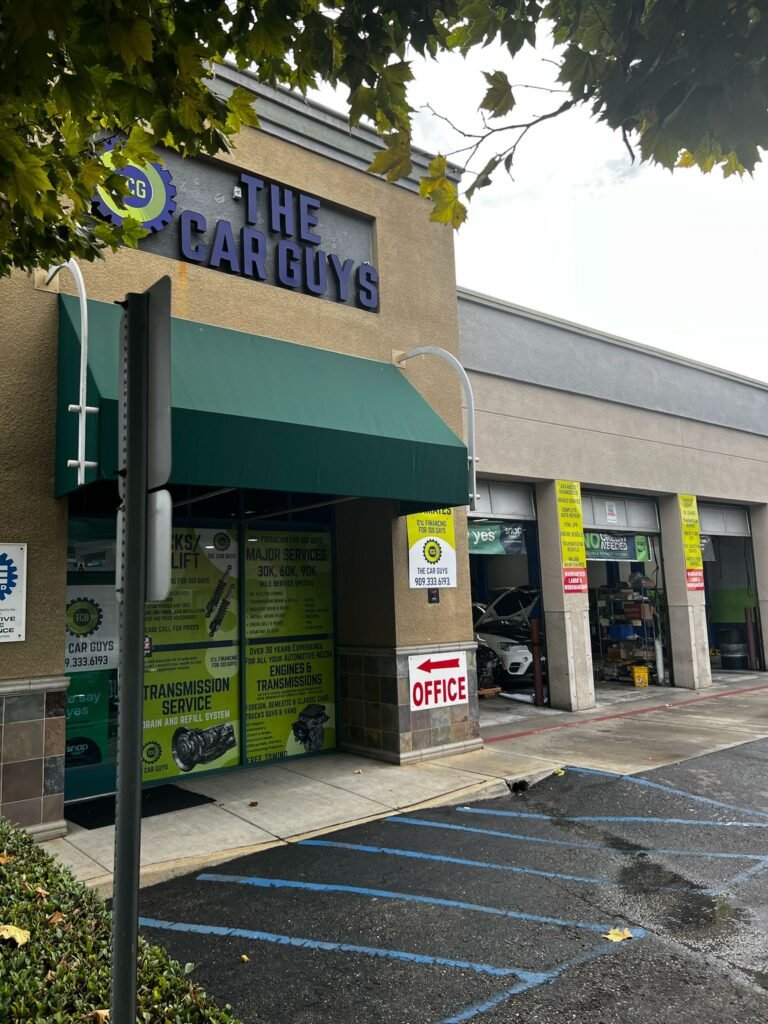
Keeping your vehicle running smoothly is essential not only for your safety but also for preserving its longevity and performance. One of the most critical services for maintaining your car is a tune-up. If you’ve been searching for “Tune-Up – Auto Shop Repair near me,” this guide will help you understand everything you need to know about auto tune-ups, what they include, why they are necessary, and how to choose the best auto shop for your vehicle.
What Is a Car Tune-Up?
A car tune-up is a series of maintenance procedures designed to ensure that your vehicle is running efficiently. While older vehicles required frequent and more extensive tune-ups, modern vehicles still need periodic attention to maintain optimal performance. A standard tune-up may include checking and replacing:
-
Spark plugs
-
Air filters
-
Fuel filters
-
Ignition wires
-
Belts and hoses
-
Fluids (engine oil, coolant, transmission fluid)
-
Battery performance
-
Emission controls
The goal of a tune-up is to maximize fuel efficiency, prevent breakdowns, and improve your car’s overall performance.
Signs Your Car Needs a Tune-Up
Recognizing the signs that your vehicle requires a tune-up can save you from costly repairs in the future. Here are the most common indicators:
-
Decreased Fuel Efficiency
If you notice that your vehicle is consuming more fuel than usual, it may be due to worn spark plugs or a clogged fuel filter. -
Engine Misfires or Rough Idling
A rough or uneven idle often signals ignition system issues, which can be corrected during a tune-up. -
Difficulty Starting Your Vehicle
Worn-out spark plugs or a weak battery can make starting your car a challenge. -
Unusual Engine Noises
Knocking, pinging, or other unusual sounds could indicate that your engine components need attention. -
Check Engine Light Is On
A tune-up can often address issues that trigger the check engine light. -
Excessive Exhaust Smoke
A properly tuned engine should produce minimal exhaust smoke. Excess smoke can indicate a need for maintenance.
Why Regular Tune-Ups Are Essential
Regular tune-ups are not just about keeping your car running smoothly—they also provide multiple benefits:
1. Improved Fuel Economy
Replacing worn spark plugs, cleaning fuel injectors, and changing filters ensures your engine burns fuel efficiently, saving money on gas.
2. Enhanced Engine Performance
A tune-up helps your engine operate at peak performance, providing better acceleration and responsiveness.
3. Reduced Emissions
Maintaining your engine’s components prevents unnecessary exhaust emissions, contributing to a cleaner environment.
4. Extended Vehicle Lifespan
Regular maintenance reduces wear and tear on engine components, helping your vehicle last longer.
5. Prevent Costly Repairs
Identifying small issues during a tune-up can prevent major breakdowns that are expensive to repair.
Components of a Standard Tune-Up
While the specific components may vary depending on your vehicle make and model, a typical tune-up usually includes the following:
Spark Plugs and Wires
Spark plugs ignite the fuel-air mixture in the engine. Old or worn plugs can cause misfires, rough idling, and poor fuel economy. Replacing spark plugs and wires is a standard part of a tune-up.
Air Filter
A clean air filter ensures that your engine receives adequate airflow, which is crucial for fuel combustion. A clogged air filter can reduce engine efficiency and performance.
Fuel Filter
The fuel filter removes impurities from gasoline before it reaches the engine. Replacing it ensures that the fuel system works efficiently.
Belts and Hoses
Belts drive essential engine components, while hoses carry fluids throughout the vehicle. Inspecting and replacing worn belts and hoses prevents breakdowns.
Battery Check
Ensuring your battery is in good condition avoids starting problems and electrical issues.
Fluids and Lubricants
Checking and topping up fluids like engine oil, transmission fluid, brake fluid, and coolant keeps your car running smoothly.
Ignition System
The ignition system includes spark plugs, wires, and coils. A tune-up ensures this system is functioning optimally.
How Often Should You Get a Tune-Up?
The frequency of tune-ups depends on your car’s make, model, and mileage. For older vehicles, tune-ups were recommended every 10,000 miles. However, modern vehicles with advanced engines and electronics may require a tune-up every 30,000 to 50,000 miles.
It’s essential to follow your vehicle manufacturer’s maintenance schedule, which can be found in your owner’s manual. If you notice any of the warning signs mentioned earlier, schedule a tune-up sooner.
Choosing the Right Auto Shop Near You
When searching for “Auto Shop Repair near me,” it’s important to choose a shop that offers professional tune-up services. Here are some tips:
1. Check for Certification
Look for certified mechanics, such as ASE (Automotive Service Excellence) certification. This ensures they have the knowledge and training to handle your vehicle.
2. Read Reviews and Testimonials
Customer reviews on Google, Yelp, or social media platforms provide insight into the quality of service.
3. Ask About Services and Pricing
Ensure the shop offers complete tune-up services and provides transparent pricing without hidden fees.
4. Look for Warranties
A reputable auto shop will offer warranties on parts and labor for peace of mind.
5. Consider Location and Convenience
Choosing a nearby auto shop saves time and is convenient for regular maintenance visits.
Benefits of Choosing a Professional Auto Shop
Opting for a professional auto shop over DIY or small local garages provides several advantages:
-
Expert Mechanics: Certified technicians with experience in handling various car models.
-
Advanced Equipment: Shops use diagnostic tools and machinery for precise maintenance.
-
Quality Parts: Access to genuine OEM (Original Equipment Manufacturer) parts.
-
Comprehensive Services: Complete tune-ups along with inspections for brakes, tires, and other systems.
-
Time-Saving: Faster and more efficient service compared to DIY attempts.
Common Misconceptions About Tune-Ups
Many vehicle owners have misconceptions about tune-ups. Let’s clarify a few:
Misconception 1: Modern Cars Don’t Need Tune-Ups
Even with advanced technology, modern vehicles require periodic maintenance to perform efficiently and avoid costly repairs.
Misconception 2: Tune-Ups Are Too Expensive
The cost of a tune-up is far less than the expense of repairing a neglected engine or replacing major components.
Misconception 3: DIY Tune-Ups Are Just as Good
While some tasks can be done at home, professional tune-ups include a thorough inspection and use of specialized tools that ensure better results.
DIY vs. Professional Tune-Ups
While basic maintenance like changing air filters or wiper blades can be done at home, a professional tune-up offers:
-
Accurate Diagnosis: Mechanics can identify hidden problems using diagnostic equipment.
-
Safety Assurance: Professionals ensure that all components are properly installed and functioning.
-
Efficiency: Saves time and reduces the risk of mistakes that could harm the engine.
Tips to Maintain Your Car Between Tune-Ups
Even after a tune-up, regular care is essential to keep your vehicle in peak condition:
-
Check Oil Regularly: Ensure proper oil levels and change oil as recommended.
-
Monitor Tire Pressure: Correct tire pressure improves fuel efficiency and handling.
-
Inspect Belts and Hoses: Look for cracks or leaks regularly.
-
Replace Air Filters: Change air filters as needed for optimal engine performance.
-
Keep the Battery Clean: Remove corrosion and check connections.
Finding “Tune-Up – Auto Shop Repair Near Me”
When looking for a reliable auto shop for a tune-up, use local search strategies:
-
Online Search: Google search with keywords like “Tune-Up Auto Shop near me” or “Car Tune-Up Services in [Your City].”
-
Social Media Recommendations: Local groups often provide trustworthy referrals.
-
Ask Friends and Family: Personal recommendations are invaluable for finding reliable mechanics.
-
Check Listings: Yelp, Angi, and other platforms list nearby auto shops with reviews and ratings.
Conclusion
Regular tune-ups are essential for the health and longevity of your vehicle. They improve fuel efficiency, engine performance, and safety while preventing costly repairs. Whether you drive a compact car, SUV, or luxury vehicle, a tune-up from a professional auto shop ensures your car operates at its best.
By recognizing the signs that your vehicle needs maintenance, understanding what a tune-up includes, and choosing a certified auto shop near you, you can enjoy a smoother, safer, and more reliable driving experience. Don’t wait until your car shows warning signs—schedule a tune-up today and keep your vehicle in top condition for years to come.