
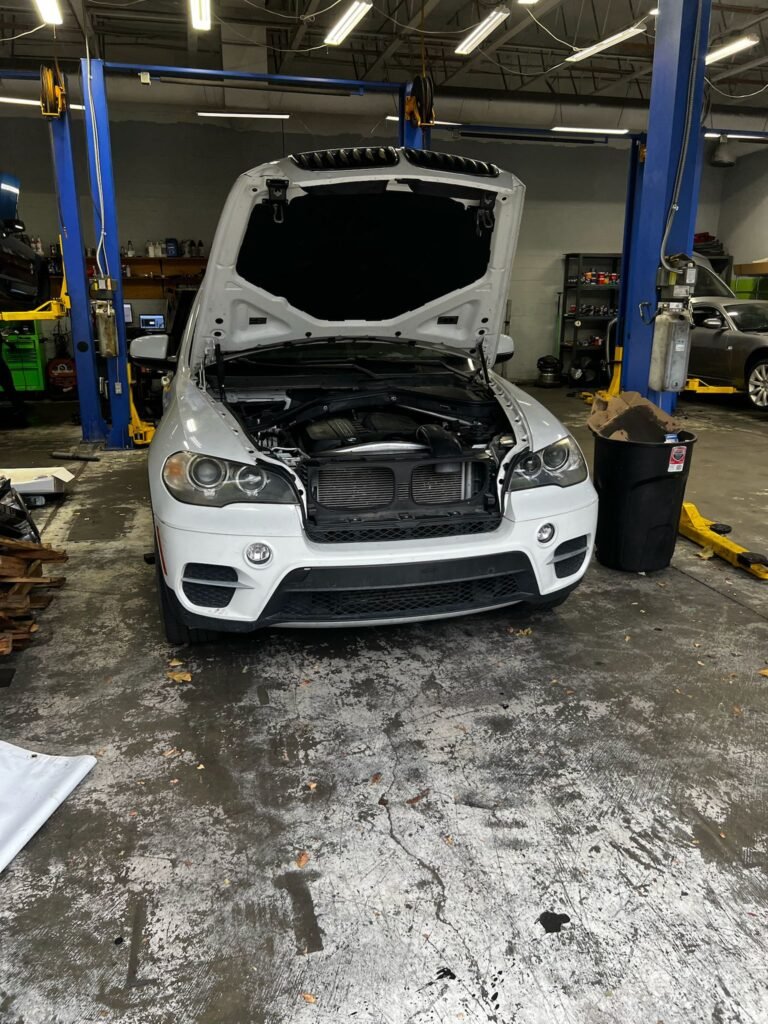
Keeping your vehicle in peak condition is one of the best investments you can make as a driver. Whether you drive daily for work, manage a small fleet, or just want your car to stay reliable for years, regular tune-ups are the key to long-lasting performance. When your engine runs smoothly, your fuel efficiency improves, your emissions decrease, and costly breakdowns can often be avoided altogether. If you’ve been searching online for “Tune Up – Auto Repair Close to Me,” you’re already taking the right step toward maintaining your car’s health.
This detailed guide explains everything you need to know about automotive tune-ups — what they include, why they’re essential, how often they should be performed, and how to find a trusted auto repair shop near you that provides quality service.
1. What Is a Car Tune-Up?
A car tune-up is a comprehensive maintenance service designed to ensure your vehicle’s engine and related systems operate at their best. While the term “tune-up” once referred mainly to adjusting carburetors and ignition timing in older cars, today’s modern tune-ups focus on checking and replacing parts that directly affect your car’s performance, emissions, and fuel economy.
During a tune-up, a certified technician inspects the engine’s core components, electrical systems, and filters to ensure everything functions correctly. A modern tune-up may include computer diagnostics to identify hidden issues that aren’t immediately noticeable.
Typical tune-up services can include:
-
Spark plug inspection and replacement
-
Ignition coil check
-
Air and fuel filter replacement
-
PCV valve inspection
-
Oxygen sensor check
-
Battery inspection and charging test
-
Engine timing and idle speed check (where applicable)
-
Inspection of belts and hoses
-
Fuel system cleaning
-
Throttle body cleaning
The goal is to restore the engine’s power, responsiveness, and efficiency — essentially “tuning” the vehicle for optimal performance.
2. Why Tune-Ups Are Essential
Regular tune-ups are not just about maintaining performance — they’re about preventing expensive problems down the road. Here’s why this service matters:
a. Enhanced Fuel Efficiency
Over time, spark plugs wear down, air filters get clogged, and sensors become less responsive. These small inefficiencies can add up, causing your engine to burn more fuel than necessary. A properly tuned engine can improve fuel economy by up to 10–15%, saving you money at the pump.
b. Improved Performance
A tune-up can bring back the smooth acceleration and power that might have faded over time. Replacing worn ignition parts ensures your engine fires properly and efficiently, giving you consistent performance every time you start your car.
c. Lower Emissions
Faulty spark plugs, clogged filters, and old sensors can lead to incomplete fuel combustion — one of the main causes of high emissions. Regular tune-ups help keep your car eco-friendly and compliant with emission standards.
d. Prevents Major Repairs
A simple tune-up can identify minor issues before they become expensive repairs. For example, spotting a worn serpentine belt or failing ignition coil early can prevent engine misfires or breakdowns that could cost hundreds or even thousands to repair.
e. Extends Engine Life
Your engine is a finely tuned machine. Regular maintenance helps keep internal components clean and lubricated, reducing wear and tear. This can add years to your vehicle’s lifespan.
3. Signs Your Car Needs a Tune-Up
Even if you follow a maintenance schedule, your car may sometimes signal that it needs a tune-up sooner. Watch out for the following warning signs:
-
Decreased fuel economy – If you notice that you’re filling up more often, it might mean your spark plugs or oxygen sensors are due for replacement.
-
Rough idling or stalling – Uneven idling, engine shaking, or frequent stalls indicate issues with ignition or fuel delivery.
-
Difficulty starting the car – This can signal a weak battery, worn plugs, or ignition problems.
-
Loss of power or sluggish acceleration – Your car should respond immediately when you press the accelerator. A lag could mean clogged filters or faulty ignition components.
-
Check Engine Light – If the check engine light comes on, diagnostics can reveal whether a tune-up component is to blame.
-
Unusual noises – Knocking or pinging sounds often result from inefficient combustion or timing problems.
-
Vibration when driving – Misfires or bad spark plugs can cause noticeable vibrations.
If any of these symptoms sound familiar, searching for an “auto repair shop close to me” and scheduling a tune-up can restore your vehicle’s performance before problems worsen.
4. What a Typical Tune-Up Includes
Different vehicles require different services, but here’s what you can generally expect during a full tune-up:
a. Spark Plug Replacement
Spark plugs ignite the air-fuel mixture in the engine cylinders. Old or fouled plugs can cause misfires, poor fuel economy, and sluggish performance. Technicians replace them with new ones and adjust the gap as recommended by the manufacturer.
b. Air Filter Replacement
The air filter prevents dirt and debris from entering the engine. A dirty filter restricts airflow, forcing the engine to work harder and burn more fuel. Replacing it improves combustion and horsepower.
c. Fuel Filter Replacement
The fuel filter keeps contaminants out of the fuel system. Over time, it can clog and reduce fuel flow, causing rough idling or stalling. Replacing it ensures consistent engine performance.
d. PCV Valve Inspection
The Positive Crankcase Ventilation (PCV) valve helps remove harmful gases from the engine crankcase. A clogged valve can lead to pressure buildup and oil leaks. It’s checked and replaced if needed.
e. Battery and Charging System Test
A battery that’s weak or not charging correctly can cause starting issues and power loss. The mechanic will test the battery’s voltage, check the alternator output, and clean the terminals.
f. Belts and Hoses Check
Worn belts can squeal or snap, while cracked hoses can leak coolant or vacuum pressure. Inspecting and replacing them ensures all systems operate smoothly.
g. Throttle Body and Fuel Injection Cleaning
Modern vehicles often benefit from cleaning the throttle body and fuel injectors to remove carbon deposits that hinder performance. This service improves throttle response and fuel efficiency.
h. Fluid Level Checks
Engine oil, coolant, transmission fluid, and brake fluid are inspected and topped off as needed. Clean fluids protect components from friction and overheating.
i. Computer Diagnostics
Technicians use diagnostic scanners to read error codes stored in the car’s onboard computer. This helps pinpoint underlying issues that may not show physical symptoms yet.
5. Recommended Tune-Up Schedule
There’s no one-size-fits-all schedule for tune-ups since every vehicle has its own requirements. However, here are general guidelines:
-
Older vehicles (pre-1990s): Every 10,000 to 20,000 miles
-
Modern vehicles: Every 30,000 to 100,000 miles depending on the type of spark plugs and components used
-
Manufacturer’s recommendations: Always check your owner’s manual for specific intervals
That said, driving habits and environmental factors also play a role. If you drive in extreme heat, dusty conditions, or heavy traffic, you might need tune-ups more frequently.
6. How to Find the Best “Auto Repair Close to Me” for a Tune-Up
Finding the right auto repair shop can make all the difference. You want technicians who are certified, experienced, and honest. Here’s how to find a reliable shop near you:
a. Search Online with Specific Keywords
When searching online, use detailed phrases like:
-
“Tune up auto repair close to me”
-
“Engine tune-up nearby”
-
“Car maintenance shop near me”
Search engines use your location to show nearby repair shops. Check their reviews, ratings, and websites for more details.
b. Read Customer Reviews
Platforms like Google, Yelp, and Facebook provide honest feedback from other customers. Look for consistent praise about professionalism, transparent pricing, and customer satisfaction.
c. Check Certifications
A trustworthy shop should have certified technicians. Look for credentials such as ASE (Automotive Service Excellence) or manufacturer certifications.
d. Ask About Warranties
Quality repair shops often back their services with warranties on both parts and labor. This shows confidence in their work.
e. Compare Estimates
Before committing, get a written estimate from two or three shops. A reputable mechanic will explain the costs clearly without hidden fees.
f. Evaluate Customer Service
A shop’s professionalism often shows in its customer service. Friendly staff, clean facilities, and honest communication are all good indicators of a reputable business.
7. Cost of a Tune-Up
Tune-up costs vary based on the vehicle type, engine size, and services included. On average:
-
Basic tune-up (spark plugs, filter checks): $75 – $200
-
Full tune-up (includes diagnostics, sensors, and cleaning): $250 – $500
-
High-performance or luxury vehicles: $400 – $900
While the cost might seem high, it’s a small investment compared to the price of major engine repairs down the road.
8. DIY vs. Professional Tune-Up
Many car owners wonder whether they can perform a tune-up at home. While basic maintenance like changing air filters or spark plugs is manageable for those with mechanical skills, a full tune-up often requires diagnostic equipment, technical know-how, and precise adjustments.
DIY Advantages:
-
Saves money on labor
-
Provides a sense of accomplishment
-
Teaches you about your vehicle
DIY Disadvantages:
-
Risk of incorrect installation or missed issues
-
Lack of diagnostic tools
-
No warranty on labor
In contrast, professional auto repair shops have advanced equipment, certified mechanics, and warranties to guarantee proper service. For most drivers, visiting a trusted shop “close to me” for tune-ups is the safest and most effective option.
9. Tune-Up and Fuel System Maintenance
Your car’s fuel system plays a vital role in how efficiently it runs. During a tune-up, mechanics often clean the injectors, inspect fuel lines, and replace the fuel filter. Regular maintenance here can:
-
Prevent clogging
-
Improve fuel economy
-
Reduce engine knocking
-
Ensure smooth idling
A clean fuel system ensures the proper air-fuel mixture, leading to more efficient combustion and reduced emissions.
10. Benefits of Local Auto Repair Shops
When searching for “auto repair close to me,” choosing a local repair shop offers several advantages:
a. Convenience
Local shops save you time and effort. You can drop off your car easily and avoid long commutes to distant service centers.
b. Personalized Service
Small and local shops often build long-term relationships with customers, offering honest advice and fair pricing.
c. Supporting Local Business
By choosing a neighborhood auto repair shop, you’re supporting your local economy and helping small businesses thrive.
d. Faster Turnaround
Local shops can often complete tune-ups faster than large dealerships because they have fewer scheduling backlogs.
11. Environmental Benefits of Regular Tune-Ups
Tune-ups aren’t just good for your car — they’re good for the environment. A well-maintained engine produces fewer harmful emissions and consumes less fuel, reducing your carbon footprint. Regular maintenance also helps keep motor oil and other fluids from leaking, preventing environmental contamination.
According to the U.S. Department of Energy, a poorly maintained vehicle can emit up to 50% more pollutants than one that receives regular tune-ups. So, scheduling maintenance with your nearby auto repair shop is both a smart and eco-conscious choice.
12. How Modern Vehicles Changed Tune-Ups
Older vehicles required frequent tune-ups due to mechanical ignition systems, carburetors, and manual timing adjustments. Modern cars, however, rely on computerized engine control units (ECUs) that automatically manage fuel mixture, timing, and idle speed.
Even so, tune-ups remain crucial — they just look different now. Today’s tune-ups involve sensor checks, computer diagnostics, and software updates. While the frequency may be reduced, the precision and complexity of the process have increased.
13. How Long Does a Tune-Up Take?
A typical tune-up can take anywhere from 1 to 4 hours, depending on the vehicle and the type of services performed. Basic tune-ups (plugs, filters, battery check) are quicker, while full tune-ups with diagnostics, cleaning, and part replacements may take longer.
Shops often recommend scheduling an appointment ahead of time to ensure minimal waiting.
14. Seasonal Tune-Ups
Certain seasons can put extra stress on your vehicle, making tune-ups especially important during specific times of the year:
-
Spring: After winter, check belts, hoses, and filters for salt damage or wear.
-
Summer: Heat strains the cooling system; ensure your radiator and fluids are in good shape.
-
Fall: Prepare for colder weather by testing the battery and ignition system.
-
Winter: Inspect spark plugs and fluids to ensure smooth starts in freezing conditions.
Regular seasonal tune-ups help you avoid breakdowns during extreme weather conditions.
15. What to Ask Your Mechanic
When taking your car in for a tune-up, be proactive. Ask questions like:
-
What services are included in the tune-up package?
-
Are you using OEM (Original Equipment Manufacturer) parts?
-
How long will the service take?
-
Is there a warranty on parts and labor?
-
Can you provide a written estimate before starting work?
-
Will you notify me before performing additional repairs?
A reputable mechanic will answer all of these questions transparently and explain any issues found during the inspection.
16. Myths About Tune-Ups
There are several misconceptions about tune-ups that cause confusion among car owners. Let’s clarify a few:
-
Myth 1: “Modern cars don’t need tune-ups.”
– False. They still require periodic maintenance; it’s just more advanced now. -
Myth 2: “Tune-ups fix any car problem.”
– Not always. Tune-ups address performance and efficiency, not unrelated mechanical or electrical issues. -
Myth 3: “You can skip tune-ups if your car runs fine.”
– Skipping them can lead to hidden wear that later causes costly repairs.
Understanding these myths helps you make informed decisions about vehicle maintenance.
17. The Long-Term Payoff of Regular Tune-Ups
While tune-ups may seem like a routine task, the long-term benefits are significant. Over the years, you’ll notice:
-
Fewer breakdowns and emergency repairs
-
Better resale value
-
Improved reliability for daily driving
-
Reduced emissions
-
Lower overall maintenance costs
Cars that receive regular tune-ups often last thousands of miles longer than those that don’t.
18. Conclusion: Keep Your Vehicle Running Strong
Your car is more than a mode of transportation — it’s a vital part of your daily life. Investing in regular tune-ups is one of the best ways to protect that investment. Whether your vehicle is brand-new or several years old, keeping up with maintenance ensures safety, performance, and longevity.
If you’ve been searching for “Tune Up – Auto Repair Close to Me”, don’t delay — book an appointment at a trusted local shop today. Certified technicians can assess your vehicle, perform a full inspection, and fine-tune every system to manufacturer specifications.
With consistent tune-ups, you’ll enjoy smoother rides, better fuel economy, and the peace of mind that your car is ready for the road ahead.