
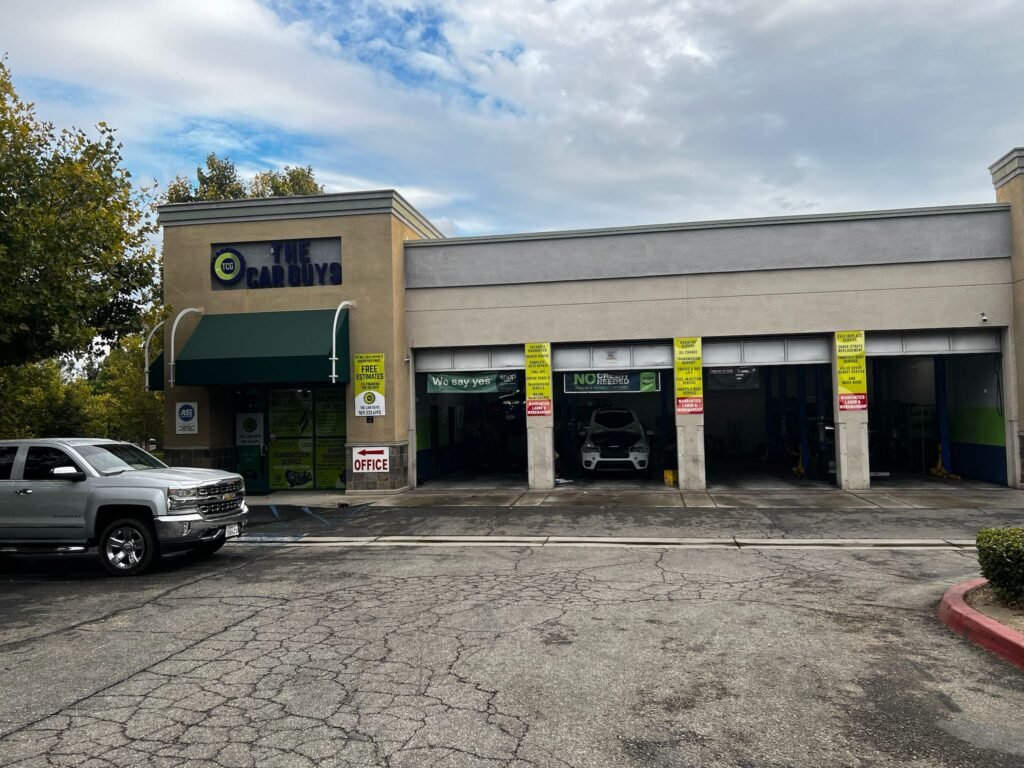
When your car starts running rough, hesitating during acceleration, or consuming more fuel than usual, it’s time to think about a tune-up. While modern vehicles are more reliable than ever, they still need regular care to maintain performance and prevent costly repairs. If you’ve been searching for a “Tune Up – Auto Shop near me”, this detailed guide will walk you through everything you need to know — from what a tune-up includes, why it’s important, how often it’s needed, and how to find the best local auto shop for the job.
1. What Is a Tune-Up?
A tune-up is a routine maintenance service designed to ensure your car’s engine runs efficiently and smoothly. Think of it as a full “health check” for your vehicle’s performance system. It involves inspecting, cleaning, repairing, or replacing parts that affect the combustion process and overall driveability.
In older vehicles, a tune-up meant adjusting carburetors, replacing spark plugs, and fine-tuning ignition timing. But for modern cars equipped with advanced fuel injection systems and electronic control modules, a tune-up focuses more on replacing sensors, filters, fluids, and ignition components that keep the engine operating at peak efficiency.
2. Why Tune-Ups Are Essential for Every Vehicle
Even the best-engineered car will lose efficiency over time. Here’s why a tune-up is vital:
a. Restores Fuel Efficiency
Worn-out spark plugs or dirty fuel filters can cause the engine to burn more fuel than necessary. A tune-up restores efficiency by cleaning or replacing these components, saving you money at the pump.
b. Enhances Engine Performance
A sluggish or misfiring engine can be revitalized with a proper tune-up. Replacing faulty ignition parts and ensuring proper air-fuel balance can restore smooth acceleration and power.
c. Prevents Costly Breakdowns
Many major repairs start from small neglected issues. Regular tune-ups allow technicians to spot problems early — before they lead to more expensive repairs.
d. Reduces Emissions
A well-tuned engine burns fuel cleanly, which means fewer harmful emissions released into the air. This not only benefits the environment but also helps your car pass smog checks.
e. Extends Vehicle Life
Regular tune-ups prevent engine strain and component wear, extending your car’s overall lifespan and maintaining resale value.
3. Signs That Your Car Needs a Tune-Up
Wondering if it’s time to visit an auto shop near you for a tune-up? Here are the most common warning signs:
-
Decreased Gas Mileage – If you notice you’re filling up more often, it could mean your engine isn’t burning fuel efficiently.
-
Rough Idling or Stalling – When your car shakes or stalls while idling, the spark plugs or air intake may be to blame.
-
Sluggish Acceleration – A lack of responsiveness when you press the gas pedal can indicate ignition or fuel system issues.
-
Engine Misfires or Hesitation – Misfiring occurs when one or more cylinders fail to ignite properly.
-
Check Engine Light – A glowing or flashing check engine light is a strong indicator that a diagnostic check and tune-up are needed.
-
Hard Starting – Difficulty starting your car can result from worn-out plugs or failing ignition coils.
-
Strange Noises – Knocking, pinging, or rattling sounds during acceleration are signs your engine needs attention.
Ignoring these signs can lead to worsening performance and higher repair bills.
4. What’s Included in a Modern Tune-Up?
The components of a tune-up can vary depending on your car’s age, make, and model. However, most modern tune-ups include:
a. Spark Plug Replacement
Spark plugs ignite the fuel-air mixture in your engine. Over time, they wear out, leading to misfires and power loss. Replacing them improves combustion and efficiency.
b. Ignition System Inspection
Technicians inspect ignition wires, coils, and distributor caps (if applicable) for wear or corrosion. Faulty parts are replaced to ensure consistent firing.
c. Air Filter Replacement
The air filter prevents dust and debris from entering the engine. A clogged filter reduces airflow, forcing your engine to work harder. Replacing it boosts performance and fuel economy.
d. Fuel System Cleaning
Fuel injectors and intake valves are cleaned to remove carbon buildup that can reduce efficiency. Some shops use specialized cleaners or pressurized machines for this task.
e. PCV Valve Check
The Positive Crankcase Ventilation valve regulates engine pressure and emissions. A blocked PCV valve can cause rough idling or oil leaks.
f. Throttle Body Cleaning
Carbon deposits in the throttle body can restrict airflow, causing poor acceleration. Cleaning it ensures smoother throttle response.
g. Battery and Charging System Test
A weak battery or failing alternator can mimic engine issues. Auto shops often test the electrical system during a tune-up.
h. Replacement of Fluids
Engine oil, transmission fluid, coolant, and brake fluid levels are checked and topped off or replaced if needed.
i. Diagnostic Scan
Modern cars use computer systems to monitor engine performance. A scan helps identify hidden issues before they cause problems.
j. Belts and Hoses Inspection
Cracked or worn belts and hoses can lead to engine failure. Checking these ensures your vehicle is safe and reliable.
5. How Often Should You Get a Tune-Up?
The right tune-up interval depends on your car’s make, model, and mileage. Here’s a general guideline:
-
Older vehicles (pre-1990s): Every 10,000 to 15,000 miles.
-
Modern vehicles (1996 and newer): Every 30,000 to 100,000 miles, depending on spark plug type.
-
Performance or high-mileage vehicles: Every 25,000 to 40,000 miles.
Always check your owner’s manual for manufacturer-recommended service intervals. Some vehicles with platinum or iridium spark plugs can go up to 100,000 miles before needing replacement.
6. The Benefits of Choosing a Local Auto Shop for Tune-Ups
When searching online for a “Tune Up – Auto Shop near me”, you’ll find dozens of options. Choosing a trusted local shop offers several advantages:
a. Personalized Service
Local shops build long-term relationships with customers. They’re more likely to provide honest advice and customized maintenance plans.
b. Competitive Pricing
Independent auto shops typically charge less than dealerships while delivering the same quality of work.
c. Skilled Technicians
Local mechanics often have years of hands-on experience and certifications from ASE (Automotive Service Excellence), ensuring your car is in good hands.
d. Faster Turnaround
Smaller shops can often complete tune-ups more quickly than large dealerships.
e. Support Local Business
By choosing a nearby auto shop, you’re supporting your community’s economy and small business owners.
7. How to Find the Best “Auto Shop Near Me” for Tune-Ups
Here’s how to locate a trustworthy, professional shop in your area:
a. Read Online Reviews
Check Google, Yelp, or Facebook reviews. Look for shops with consistent positive feedback on honesty, pricing, and workmanship.
b. Ask for Certifications
Make sure the shop’s technicians are ASE-certified or have equivalent credentials.
c. Compare Estimates
Request written quotes from at least two or three shops. Avoid places that give vague pricing or pressure you into unnecessary services.
d. Check Warranties
Reliable shops offer warranties on parts and labor, typically covering 12 months or 12,000 miles or more.
e. Visit the Facility
A clean, organized shop is usually a sign of professionalism. Don’t hesitate to ask questions about their diagnostic tools and repair methods.
f. Ask for Recommendations
Word-of-mouth referrals from family, friends, or coworkers are often the best way to find trusted mechanics.
8. How a Tune-Up Improves Fuel Economy
Fuel efficiency is one of the most noticeable benefits of a tune-up. Here’s how it works:
-
New spark plugs create a more consistent ignition, ensuring complete combustion.
-
Clean air and fuel filters allow the engine to breathe and burn fuel efficiently.
-
Proper tire inflation and wheel alignment reduce rolling resistance.
-
Fresh motor oil minimizes internal friction.
Together, these improvements can increase fuel economy by 10–20%, saving you money every month.
9. Average Cost of a Tune-Up
Tune-up costs vary widely based on the vehicle type, engine design, and services performed.
| Vehicle Type | Basic Tune-Up | Complete Tune-Up |
|---|---|---|
| Compact Cars | $75 – $150 | $200 – $400 |
| SUVs & Trucks | $100 – $200 | $300 – $600 |
| Performance Cars | $150 – $250 | $400 – $800 |
Keep in mind that replacing high-performance spark plugs or advanced sensors can increase the price. However, investing in regular tune-ups prevents major engine repairs that could cost thousands later.
10. DIY vs. Professional Tune-Up
While car enthusiasts can perform simple maintenance tasks, most modern tune-ups are best left to professionals.
DIY Tune-Up Tasks:
-
Replacing air filters
-
Changing spark plugs (on accessible engines)
-
Checking tire pressure and fluids
Professional Tune-Up Tasks:
-
Computer diagnostics
-
Fuel injector cleaning
-
Throttle body service
-
Electrical and emission system testing
With modern vehicles relying heavily on sensors and computer systems, professionals have the specialized tools and training to perform precise diagnostics.
11. Common Myths About Tune-Ups
Myth 1: Modern Cars Don’t Need Tune-Ups
False. While today’s vehicles require less frequent maintenance, they still rely on many components that wear out over time.
Myth 2: Only Dealerships Can Do Tune-Ups Properly
Independent auto shops have the same diagnostic tools and certified technicians, often at lower prices.
Myth 3: Tune-Ups Fix Every Engine Problem
Not always. A tune-up improves performance and efficiency, but major mechanical or electronic failures require separate repair services.
Myth 4: Tune-Ups Are Only About Spark Plugs
Modern tune-ups involve inspecting many interconnected systems, from sensors to filters and electrical circuits.
12. Environmental Benefits of Regular Tune-Ups
Regular tune-ups do more than improve performance — they also benefit the environment:
-
Reduce carbon monoxide and nitrogen oxide emissions.
-
Prevent unburned fuel from polluting the air.
-
Enhance catalytic converter efficiency.
-
Conserve natural resources through optimized fuel use.
In short, a well-tuned engine is a cleaner, greener engine.
13. What Happens If You Skip Tune-Ups?
Neglecting tune-ups can cause:
-
Engine misfires
-
Rough idling and stalling
-
Higher fuel costs
-
Failed emissions tests
-
Premature engine wear
-
Costly repairs such as catalytic converter or coil replacements
Skipping maintenance can shorten your vehicle’s lifespan and reduce its resale value.
14. How Long Does a Tune-Up Take?
Most tune-ups take 1 to 3 hours, depending on your car’s condition and the services included. However, if your mechanic discovers additional issues, such as faulty sensors or clogged injectors, repairs could extend the service time.
15. Seasonal Tune-Ups and Why They Matter
Different seasons put different demands on your car:
-
Spring/Summer Tune-Up: Focuses on air conditioning, cooling system, and battery health.
-
Fall/Winter Tune-Up: Emphasizes antifreeze, tire condition, and heating system performance.
Regular seasonal checks ensure reliability year-round, especially before long road trips.
16. Tune-Ups and Vehicle Longevity
Routine maintenance can add 50,000 miles or more to your vehicle’s lifespan. Cars that receive timely tune-ups:
-
Experience fewer breakdowns.
-
Retain higher resale value.
-
Deliver consistent power and comfort.
Think of it as an investment — one that pays off through reliability and savings over time.
17. Questions to Ask Your Mechanic Before a Tune-Up
-
What’s included in your tune-up package?
-
Do you use OEM (Original Equipment Manufacturer) parts?
-
Will you provide a written estimate before work begins?
-
How long will the service take?
-
Do you offer a warranty on parts and labor?
-
Are there any additional recommended maintenance tasks?
Asking these questions ensures transparency and trust between you and your chosen shop.
18. The Future of Tune-Ups: Electric and Hybrid Cars
Electric and hybrid vehicles are changing the way tune-ups are performed. While they don’t need spark plug replacements or fuel system cleaning, they still require regular maintenance such as:
-
Battery health checks
-
Cooling system inspections
-
Brake service (due to regenerative braking systems)
-
Tire and suspension maintenance
Local auto shops are adapting quickly to handle the specialized needs of hybrid and EV models.
19. Choosing the Right Auto Shop Near You
When you search “Tune Up – Auto Shop near me,” look for these qualities:
-
Experience: At least 5–10 years in business.
-
Transparency: Clear estimates, no hidden fees.
-
Technology: Modern diagnostic equipment.
-
Customer Care: Friendly communication and follow-up.
-
Reputation: High online ratings and community trust.
A professional tune-up isn’t just about fixing your car — it’s about peace of mind knowing your vehicle is safe, efficient, and reliable.
20. Final Thoughts
Your car is more than just transportation — it’s an investment in your daily comfort, safety, and convenience. Regular tune-ups ensure your vehicle continues to perform at its best while saving you money on gas and repairs. Whether you drive a compact sedan, a rugged truck, or a hybrid SUV, finding a reliable auto shop near you for scheduled maintenance is one of the smartest decisions you can make.
By paying attention to warning signs, following manufacturer recommendations, and choosing skilled local technicians, you can keep your car running smoothly for years to come. The next time you search “Tune Up – Auto Shop near me”, remember: it’s not just about convenience — it’s about quality, longevity, and confidence every time you turn the key.