
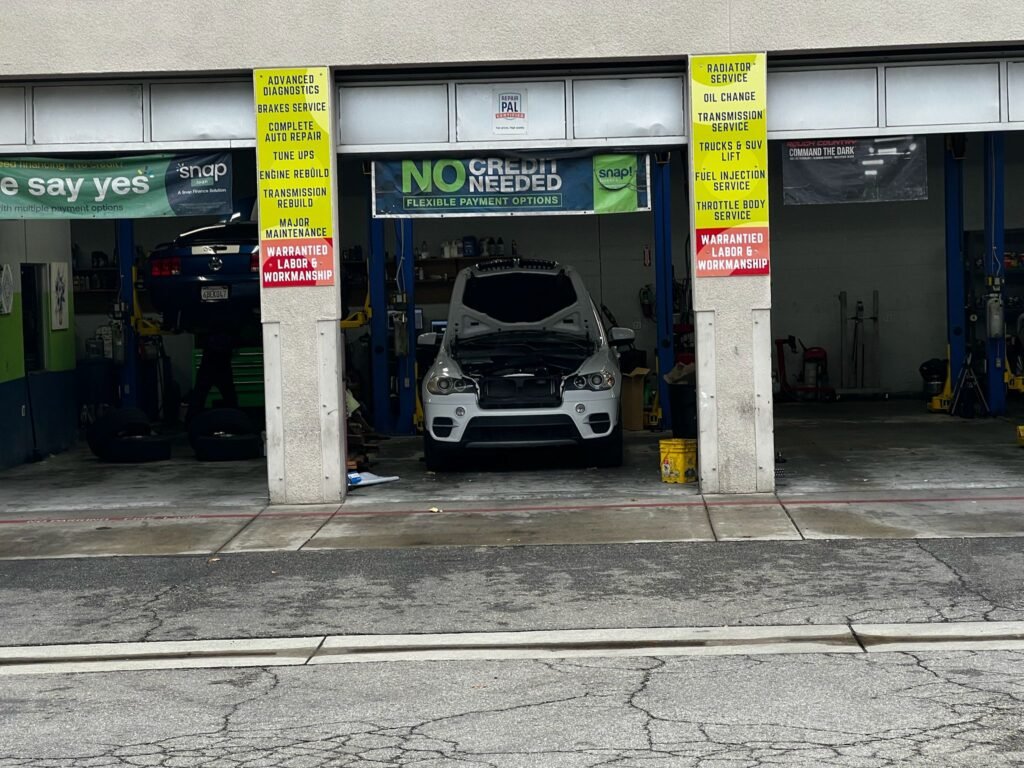
Keeping your vehicle in top condition is crucial for safety, efficiency, and longevity. One of the most important aspects of vehicle maintenance is a regular tune-up. Whether you drive a compact car, a luxury vehicle, or an SUV, a proper tune-up ensures your engine runs smoothly and prevents costly repairs down the road. In this guide, we will explore everything you need to know about tune-ups, how to find the best automotive shops near you, and what to expect during the process.
What Is a Tune-Up?
A tune-up is a comprehensive maintenance service performed on a vehicle to ensure it runs efficiently. It generally involves checking and replacing components that affect engine performance. While tune-ups used to be more standardized in older cars, modern vehicles often have specific maintenance requirements outlined in the owner’s manual.
Common Tune-Up Components
-
Spark Plugs
Spark plugs ignite the fuel in your engine’s cylinders. Worn or dirty spark plugs can cause misfires, rough idling, and decreased fuel efficiency. Replacing spark plugs is a key part of most tune-ups. -
Ignition System
This includes spark plug wires, ignition coils, and sometimes distributors. Ensuring these components are in good condition prevents engine misfires and improves starting performance. -
Air Filters
The engine air filter prevents dirt, dust, and debris from entering the engine. A clogged air filter can reduce performance and fuel efficiency. -
Fuel System
This includes fuel filters and fuel injectors. Clean fuel systems allow for proper combustion, improving power and efficiency. -
Fluids
Regularly checking and changing engine oil, coolant, brake fluid, and transmission fluid ensures smooth operation and prevents wear. -
Belts and Hoses
Worn belts and hoses can lead to engine overheating or failure. Replacing these during a tune-up is a proactive measure to avoid breakdowns. -
Battery and Charging System
Ensuring your battery, alternator, and connections are in good condition prevents unexpected failures.
Why Regular Tune-Ups Are Important
Regular tune-ups provide several benefits that keep your vehicle performing optimally:
-
Improved Fuel Efficiency
A properly tuned engine burns fuel more efficiently, saving you money at the pump. -
Extended Engine Life
Routine maintenance reduces wear and tear, prolonging the life of your engine. -
Enhanced Performance
Replacing worn components ensures smoother acceleration, stable idling, and better overall driving experience. -
Reduced Emissions
A well-maintained engine produces fewer harmful emissions, contributing to a cleaner environment. -
Prevent Costly Repairs
Addressing small issues during tune-ups can prevent expensive repairs in the future.
Signs Your Vehicle Needs a Tune-Up
Recognizing the early signs of engine trouble can save you time and money. Here are common indicators that your car may need a tune-up:
-
Engine misfires or rough idling
-
Reduced fuel efficiency
-
Difficulty starting the vehicle
-
Unusual engine noises
-
Dashboard warning lights, like the check engine light
-
Hesitation or loss of power during acceleration
If you notice any of these symptoms, it’s a good idea to schedule a tune-up at a reputable automotive shop near you.
How Often Should You Get a Tune-Up?
The frequency of tune-ups depends on your vehicle’s make, model, and age. Here are general guidelines:
-
Older vehicles (pre-2000): Every 30,000 miles or annually
-
Modern vehicles: Many modern cars with advanced ignition systems may require tune-ups every 60,000 to 100,000 miles
Always refer to your vehicle owner’s manual for manufacturer-recommended maintenance intervals. Some modern vehicles even have maintenance reminders built into their onboard computers.
Finding the Best Automotive Shops Near You
When searching for “automotive shops near me,” it’s important to choose a shop that is reliable, experienced, and transparent. Here’s what to look for:
1. Certification and Experience
Look for shops certified by organizations such as ASE (Automotive Service Excellence). Certified technicians have the training to perform tune-ups correctly and safely.
2. Reputation
Check online reviews and ratings on platforms like Google, Yelp, and local business directories. Positive customer experiences indicate reliability.
3. Range of Services
A quality automotive shop should offer a full range of maintenance services, including:
-
Engine diagnostics
-
Tune-ups
-
Oil changes
-
Brake services
-
Transmission maintenance
-
AC repair
4. Transparent Pricing
A trustworthy shop will provide upfront pricing for parts and labor. Avoid shops with hidden fees or vague estimates.
5. Warranty and Guarantee
Reputable shops often offer warranties on parts and labor, giving you peace of mind.
6. Convenient Location
Choosing a shop near you can save time and make it easier to schedule regular maintenance.
What to Expect During a Tune-Up
Understanding what happens during a tune-up helps you make informed decisions and ensures your vehicle receives proper care.
-
Initial Inspection
Technicians perform a thorough inspection of your engine, belts, hoses, fluids, and ignition system. -
Replacement of Worn Components
Spark plugs, air filters, fuel filters, and other worn components are replaced as needed. -
System Checks
Mechanics check the battery, charging system, cooling system, and engine performance using diagnostic tools. -
Fluid Changes
Engine oil, coolant, brake fluid, and other necessary fluids are topped off or replaced. -
Road Test
A short road test ensures the engine runs smoothly and that any issues have been resolved.
Cost of a Tune-Up
The cost of a tune-up varies depending on the vehicle type, the services performed, and your location. Here’s a general breakdown:
-
Basic Tune-Up: $100 – $200
(Spark plugs, ignition system, air filter replacement) -
Comprehensive Tune-Up: $200 – $500
(Includes all basic services plus fuel system cleaning, fluid changes, and diagnostics)
Luxury vehicles, hybrids, or high-mileage cars may cost more due to specialized parts and labor.
DIY vs. Professional Tune-Ups
While some minor maintenance can be done at home, professional tune-ups offer several advantages:
-
Expertise: Technicians have specialized knowledge and training.
-
Diagnostic Tools: Shops have advanced tools to identify hidden issues.
-
Time-Saving: Professional tune-ups are quicker than DIY attempts.
-
Warranty Protection: Some services may void warranties if not performed professionally.
DIY maintenance is useful for simple tasks like replacing air filters or topping off fluids, but major tune-ups are best handled by professionals.
Choosing the Right Tune-Up Package
Automotive shops often offer different tune-up packages. Consider the following options:
-
Standard Tune-Up: Basic inspection and replacement of spark plugs and air filters. Ideal for low-mileage vehicles.
-
Comprehensive Tune-Up: Includes fuel system cleaning, fluid replacement, and belt inspection. Suitable for high-mileage vehicles.
-
Performance Tune-Up: Focuses on optimizing engine performance, ideal for sports cars or high-performance vehicles.
Ask your automotive shop which package is recommended based on your vehicle’s age and mileage.
Top Tips for Maintaining Your Vehicle Between Tune-Ups
Regular care between tune-ups prolongs your engine’s life and reduces repair costs:
-
Check fluids regularly: Engine oil, coolant, brake fluid, and transmission fluid
-
Inspect belts and hoses: Look for cracks or wear
-
Replace air and cabin filters: Helps with engine efficiency and air quality
-
Monitor tire condition and pressure: Improves fuel efficiency and safety
-
Listen for unusual noises: Early detection of problems prevents costly repairs
Benefits of Local Automotive Shops
Choosing a local automotive shop has several advantages:
-
Personalized Service: Local shops often build relationships with customers and provide more personalized care.
-
Quick Response: Easier to schedule appointments and get emergency repairs.
-
Community Reputation: Local businesses rely on word-of-mouth and maintain high service standards.
-
Supporting Local Economy: Your money stays within the community.
Common Misconceptions About Tune-Ups
-
“Modern cars don’t need tune-ups.”
Even modern vehicles benefit from routine maintenance. The components and intervals may differ, but tune-ups are still essential. -
“A tune-up is only for old vehicles.”
All vehicles, regardless of age, need periodic inspection and maintenance to operate efficiently. -
“DIY is always cheaper.”
While DIY can save money on minor tasks, mistakes in a tune-up can lead to expensive repairs. Professional services are often more cost-effective in the long run.
How to Search for “Automotive Shops Near Me”
Finding a reliable shop is easier if you know where to look:
-
Google Maps: Type “Automotive Shops Near Me” to see local listings with reviews.
-
Yelp and Angie’s List: Detailed customer feedback and ratings.
-
Social Media Groups: Local communities often recommend trustworthy shops.
-
Manufacturer Websites: Some car brands list certified service centers nearby.
Check multiple sources and read reviews to ensure credibility.
Conclusion
Regular tune-ups are an essential part of vehicle maintenance. They enhance performance, increase fuel efficiency, prevent costly repairs, and extend engine life. Whether you drive a new car or an older model, a professional tune-up from a reputable automotive shop near you ensures your vehicle runs smoothly and safely.
When choosing a shop, look for certified technicians, transparent pricing, and excellent customer reviews. Schedule tune-ups based on your manufacturer’s recommendations and keep up with routine maintenance in between visits. By investing in proper care, you protect your vehicle, your safety, and your wallet.
So, the next time your car shows signs of wear, don’t wait—search for a trusted automotive shop near me, schedule a tune-up, and enjoy a smoother, more reliable driving experience.