
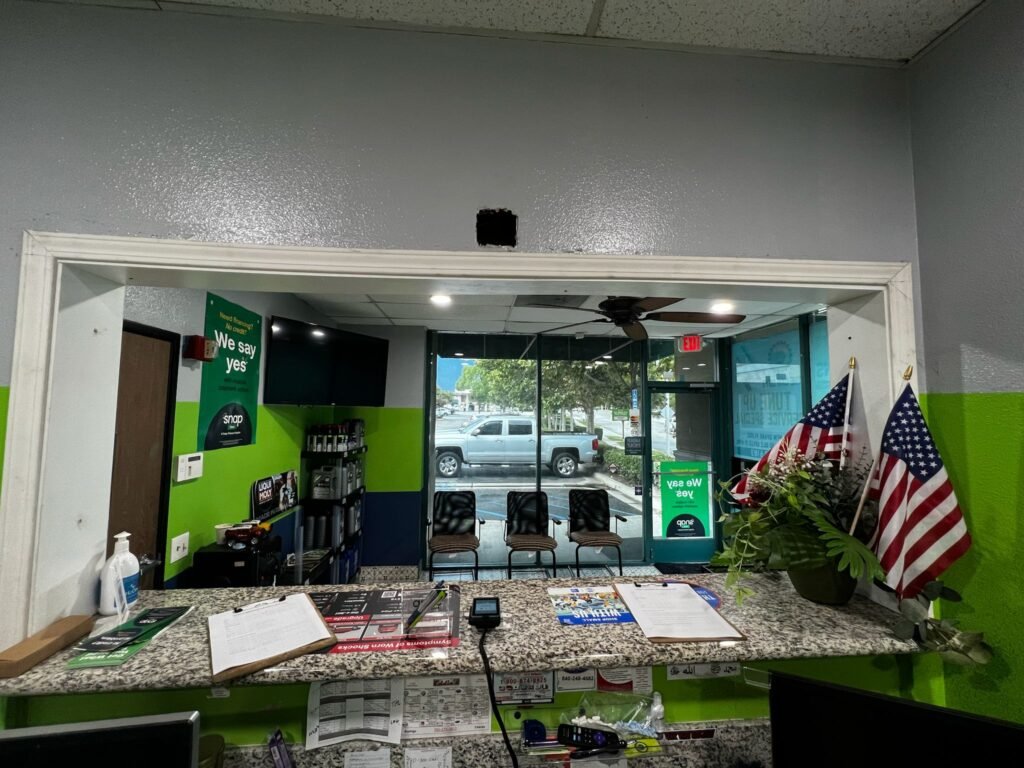
Maintaining your vehicle’s braking system is essential for safety, performance, and long-term vehicle health. One of the most crucial components of this system is the brake pads. Over time, brake pads wear down, compromising your car’s ability to stop efficiently. If you’re looking for brake pad replacement near you or an auto repair shop close to me, this comprehensive guide will help you understand the importance of brake pads, the signs they need replacing, the replacement process, and how to find trusted local repair shops.
Understanding Brake Pads
Brake pads are a key component of your vehicle’s braking system. They are responsible for creating friction against the brake rotors, allowing your car to slow down or stop safely. Brake pads are typically made of materials like ceramic, semi-metallic, or organic composites. Each type offers different performance characteristics:
-
Ceramic Brake Pads: Known for quieter operation and less dust, these pads are ideal for daily driving and high-performance vehicles.
-
Semi-Metallic Brake Pads: Durable and cost-effective, these pads handle heat well but can be noisier.
-
Organic Brake Pads: Made from materials like rubber, glass, or resins, they are softer and quieter but wear faster.
Regardless of the type, brake pads naturally wear down over time due to friction. Regular inspection and timely replacement are vital to prevent brake failure and maintain vehicle safety.
Signs You Need Brake Pad Replacement
Recognizing the warning signs of worn brake pads can save your life and prevent costly repairs. Here are the most common indicators:
-
Squeaking or Squealing Noises
A high-pitched noise when you apply the brakes often indicates the wear indicator on your brake pads is contacting the rotor. Ignoring this sound can lead to metal-on-metal contact, damaging rotors. -
Grinding Sound
If you hear a deep grinding noise, it means your brake pads are completely worn out, and the metal backing plate is rubbing against the rotor. Immediate replacement is crucial. -
Longer Stopping Distances
If your car takes longer to stop than usual, your brake pads may be thinning, reducing their friction efficiency. -
Vibration or Pulsation in Brake Pedal
Warped rotors due to worn brake pads can cause your brake pedal to vibrate or pulse, especially during hard braking. -
Brake Warning Light
Many modern cars have a brake warning light on the dashboard, indicating brake pad wear or other system issues.
How Often Should You Replace Brake Pads?
The lifespan of brake pads depends on various factors, including driving habits, vehicle type, and pad material. On average:
-
Ceramic Pads: 30,000–70,000 miles
-
Semi-Metallic Pads: 30,000–50,000 miles
-
Organic Pads: 20,000–40,000 miles
Aggressive driving, frequent stop-and-go traffic, and heavy vehicle loads can shorten the lifespan. It’s recommended to have your brake pads inspected at least every 10,000 miles.
Brake Pad Replacement Process
Replacing brake pads is a technical process that should ideally be done by a professional mechanic. Here’s a step-by-step overview of what happens during a brake pad replacement:
-
Inspection
The mechanic inspects the brake pads, rotors, calipers, and brake fluid to assess overall system health. -
Removing the Wheel
The wheel is removed to access the brake assembly. -
Removing Old Brake Pads
The caliper is unbolted, and the worn brake pads are carefully removed. The mechanic checks the rotor for damage. -
Preparing New Brake Pads
New brake pads are fitted, and anti-squeal compounds are applied if necessary. -
Reassembling the Brake System
The caliper is reattached, and the wheel is put back on. -
Testing
The mechanic tests the brakes for proper function, ensuring your car stops safely.
While some experienced car owners may attempt this as a DIY project, professional service is highly recommended for safety and warranty purposes.
Cost of Brake Pad Replacement
Brake pad replacement costs vary depending on the type of pads, vehicle model, and labor charges. On average:
-
Ceramic Pads: $100–$300 per axle
-
Semi-Metallic Pads: $80–$200 per axle
-
Labor Costs: $70–$150 per axle
Some shops may also recommend replacing rotors if they are worn or warped, which adds $200–$400 to the total. Always request a detailed estimate from your local auto repair shop.
Benefits of Professional Brake Pad Replacement
Choosing a reputable auto repair shop for brake pad replacement has several advantages:
-
Safety Assurance
Certified mechanics ensure your brakes are functioning correctly, reducing the risk of accidents. -
Quality Parts
Professionals use high-quality brake pads compatible with your vehicle, ensuring longevity and performance. -
Warranty and Guarantee
Many auto repair shops offer warranties on parts and labor, providing peace of mind. -
Comprehensive Service
Mechanics inspect the entire braking system, including rotors, calipers, and brake fluid, identifying potential issues before they become major problems.
Finding Brake Pad Replacement Near You
When searching for “brake pad replacement near me” or “auto repair close to me,” consider these factors:
-
Reputation and Reviews
Check online reviews and ratings on Google, Yelp, or local business directories. Look for shops with consistent positive feedback. -
Certifications and Experience
ASE-certified mechanics and shops with years of experience are generally more reliable. -
Transparent Pricing
Choose a shop that provides clear estimates and explains any additional costs upfront. -
Convenience
A nearby location with flexible hours makes it easier to get your car serviced without disruption. -
Customer Service
Friendly, professional staff who answer your questions and explain the service process enhance your overall experience.
DIY vs. Professional Brake Pad Replacement
While some car enthusiasts may prefer DIY brake pad replacement, there are pros and cons to consider:
DIY Replacement
Pros:
-
Lower labor costs
-
Satisfaction of doing it yourself
Cons:
-
Requires tools and technical knowledge
-
Mistakes can compromise safety
-
Limited warranty
Professional Replacement
Pros:
-
Ensures safety and performance
-
Saves time and effort
-
Warranty on parts and labor
Cons:
-
Higher upfront cost
-
Need to schedule an appointment
For most vehicle owners, professional replacement is the safer and more efficient option.
Maintaining Your Brakes After Replacement
Proper maintenance can extend the lifespan of your new brake pads:
-
Avoid Aggressive Braking: Sudden stops generate excessive heat and wear down pads faster.
-
Regular Inspections: Check pads, rotors, and brake fluid every 10,000–15,000 miles.
-
Clean Brake Components: Dirt and debris can accelerate wear.
-
Brake Fluid Replacement: Replace fluid according to manufacturer recommendations, usually every 2–3 years.
Common Myths About Brake Pads
There are many misconceptions about brake pads that can lead to improper maintenance:
-
Myth 1: Brake Pads Last Forever: Pads wear down over time; no pad lasts the lifetime of a vehicle.
-
Myth 2: No Noise Means Brakes Are Fine: Some worn pads may not produce noise but still have reduced stopping power.
-
Myth 3: Expensive Pads Are Always Better: Cost does not always equal quality; choosing the right pad type for your vehicle is more important.
Understanding the facts helps you make informed decisions about replacement and maintenance.
Choosing the Right Auto Repair Shop
Finding a trustworthy repair shop can make the difference between a smooth brake replacement and future headaches. Consider these tips:
-
Ask for Recommendations: Friends, family, and coworkers can provide reliable suggestions.
-
Check Online Reviews: Look for consistent positive feedback rather than just a few glowing reviews.
-
Visit the Shop: A clean, organized facility with professional staff is often a good sign.
-
Compare Estimates: Get quotes from multiple shops to ensure competitive pricing.
-
Warranty and Service Guarantees: Shops offering warranties demonstrate confidence in their work.
Advantages of Local Auto Repair Shops
Choosing a local shop for brake pad replacement offers unique benefits:
-
Convenience: Less travel time and easier scheduling.
-
Personalized Service: Local shops often provide more attentive and flexible service.
-
Community Reputation: Local businesses rely on word-of-mouth, often providing more reliable work.
-
Support Local Economy: Keeping your business local helps your community thrive.
Signs of a Reliable Brake Repair Shop
A reliable shop for brake pad replacement should demonstrate:
-
ASE-certified technicians
-
Transparent communication and fair pricing
-
High-quality replacement parts
-
Prompt service and clear timelines
-
Positive customer reviews
Choosing the right shop ensures your vehicle remains safe and your brakes perform optimally.
The Importance of Timely Brake Pad Replacement
Ignoring worn brake pads can lead to:
-
Increased stopping distances
-
Damage to rotors and calipers
-
Costly repairs
-
Reduced vehicle safety
-
Potential accidents
Timely replacement not only protects your vehicle but also keeps you and others on the road safe.
How to Prepare for a Brake Pad Replacement Appointment
Before visiting your chosen auto repair shop:
-
Know Your Vehicle Details: Make, model, year, and current mileage.
-
Observe Brake Symptoms: Note noises, vibrations, or reduced braking performance.
-
Schedule an Appointment: Confirm availability and ask about service duration.
-
Ask About Estimates: Request a clear breakdown of parts and labor costs.
-
Inquire About Warranties: Check if new pads and labor are covered.
Being prepared makes the process smoother and ensures you get the best service.
Conclusion
Brake pad replacement is a critical aspect of vehicle maintenance that directly impacts safety, performance, and cost-efficiency. Recognizing warning signs, understanding the replacement process, and choosing a trustworthy auto repair shop near you ensures your brakes function at their best. Whether you opt for ceramic, semi-metallic, or organic pads, timely replacement and regular maintenance can prevent accidents, extend the lifespan of your braking system, and save money in the long run.
Next time you hear a squeak or notice a vibration when braking, don’t ignore it. Schedule a brake pad inspection or replacement at a local auto repair shop to maintain your vehicle’s safety and reliability. Remember, investing in high-quality brake service is investing in your safety and peace of mind on the road.