
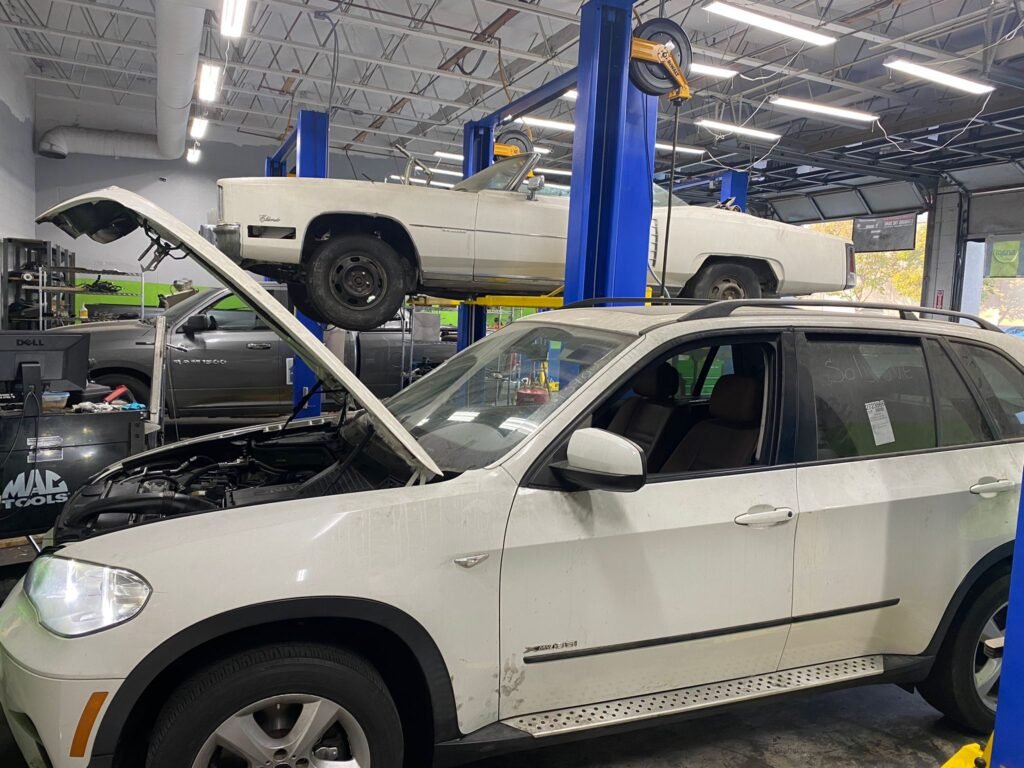
When it comes to the safety and performance of your vehicle, few components are as critical as your brakes. Every day, drivers depend on their braking system to stop their vehicles efficiently, whether navigating busy city streets or cruising down the highway. However, like any mechanical system, brakes are prone to wear and tear and require routine maintenance to ensure they perform optimally. Searching for “Brake Service Near Me” or “Vehicle Repair Near Me” is a practical step for drivers who want to prioritize safety, prevent costly repairs, and extend the lifespan of their car.
This article explores everything you need to know about brake services, how to find the right local vehicle repair shops, the types of brake services available, cost considerations, and tips to maintain your braking system.
Why Brake Service is Essential
Brakes are arguably the most critical safety feature in a vehicle. They allow you to slow down or stop quickly, prevent accidents, and maintain control during emergency situations. A poorly maintained braking system can lead to dangerous outcomes, including:
-
Increased Stopping Distance – Worn brake pads or low brake fluid can significantly extend the distance your car takes to stop.
-
Brake Failure – Ignoring signs of brake wear can eventually result in total brake failure, putting you and others at risk.
-
Vehicle Damage – Malfunctioning brakes can cause further damage to your rotors, calipers, and even tires, leading to expensive repairs.
-
Reduced Resale Value – A vehicle with well-maintained brakes is more appealing to buyers and can retain higher resale value.
Routine brake service ensures that all brake components work efficiently, reducing risks and keeping your car reliable and safe.
Common Brake Problems
Understanding common brake issues can help you recognize when it’s time to visit a repair shop. Here are some of the most frequent problems drivers encounter:
-
Squeaking or Squealing Brakes
-
This usually indicates worn brake pads. Many brake pads come with a wear indicator that emits a high-pitched sound when the pads are nearing the end of their lifespan.
-
-
Grinding Noise
-
A grinding noise often means the brake pads are completely worn down, and the metal backing is making contact with the rotor. Immediate service is required.
-
-
Soft or Spongy Brake Pedal
-
This can result from air in the brake lines, a leak in the hydraulic system, or low brake fluid.
-
-
Pulling to One Side
-
If your vehicle pulls to one side when braking, it could be due to uneven brake pad wear, a stuck caliper, or uneven tire pressure.
-
-
Brake Warning Light
-
Modern vehicles come with sensors that trigger a brake warning light on the dashboard. Ignoring this light could lead to severe damage.
-
Types of Brake Services
Brake service encompasses a variety of maintenance and repair tasks. The most common services include:
1. Brake Pad Replacement
Brake pads are designed to wear out over time. Replacing them is the most frequent brake service and is crucial to prevent damage to rotors.
2. Brake Rotor Resurfacing or Replacement
Rotors are metal discs that the brake pads press against to stop the car. Over time, rotors can become warped or worn and may need resurfacing or replacement.
3. Brake Fluid Flush
Brake fluid transfers the force from the brake pedal to the brake pads. Over time, brake fluid can become contaminated, reducing braking efficiency. A brake fluid flush ensures the system works optimally.
4. Brake Caliper Service
Calipers are the components that press the brake pads against the rotors. If a caliper is sticking or leaking, it may need servicing or replacement.
5. Emergency Brake Repair
Emergency or parking brakes are often overlooked but are essential for safety, especially on slopes. Service may involve adjusting cables, replacing shoes, or repairing the mechanism.
6. ABS System Diagnostics
Modern vehicles use anti-lock braking systems (ABS) to prevent wheel lockup during hard braking. Diagnostic services ensure that the ABS system functions properly.
How to Find “Brake Service Near Me”
Searching for the right brake service or vehicle repair shop is more than just a Google query. Here are key considerations:
1. Reputation
Look for shops with positive reviews, high ratings, and a history of satisfied customers. Word-of-mouth recommendations from friends and family are invaluable.
2. Certifications
Choose shops with certified mechanics, such as ASE (Automotive Service Excellence) certification, which ensures that the technicians are trained and experienced.
3. Services Offered
Select a shop that provides comprehensive brake services, including pad replacement, rotor services, fluid flush, and ABS diagnostics.
4. Warranty and Guarantees
Reliable repair shops often provide warranties on parts and labor, offering peace of mind for the customer.
5. Proximity
Choosing a nearby shop ensures convenience, especially in emergencies. A local shop can often provide faster service and quick follow-ups.
Cost of Brake Service
Brake service costs vary depending on the type of service, the make and model of your vehicle, and the location of the repair shop. Here’s a general breakdown:
-
Brake Pad Replacement: $100–$300 per axle
-
Rotor Resurfacing or Replacement: $200–$500 per axle
-
Brake Fluid Flush: $70–$150
-
Caliper Service/Replacement: $150–$400 per caliper
-
ABS Diagnostics and Repair: $100–$600
While prices may vary, investing in regular brake service can save you from costly repairs and improve overall vehicle safety.
Signs You Need Immediate Brake Service
Timely brake maintenance can prevent accidents and extend the life of your braking system. Here are signs that indicate you need immediate service:
-
Grinding or squealing noises
-
Brake pedal feels soft or spongy
-
Vehicle pulls to one side while braking
-
Vibrations in the steering wheel during braking
-
Warning lights on the dashboard
-
Increased stopping distance
Ignoring these signs can lead to dangerous situations and costly repairs.
Brake Maintenance Tips
In addition to professional brake service, you can take steps to prolong the life of your brakes:
-
Drive Smoothly – Avoid harsh braking whenever possible to reduce wear on brake pads and rotors.
-
Check Brake Fluid Regularly – Low fluid can reduce braking efficiency. Top it up or have it replaced as recommended.
-
Inspect Brake Pads Periodically – If you can hear squeaking or feel vibration, check the pads immediately.
-
Avoid Overloading – Carrying excessive weight can strain your brakes and reduce their lifespan.
-
Schedule Routine Service – Regular maintenance is key to preventing unexpected problems.
Choosing the Right Vehicle Repair Shop
While brake service is critical, the overall quality of your vehicle repair shop is equally important. Look for:
-
Experienced technicians with certifications
-
Transparent pricing and estimates
-
Availability of quality replacement parts
-
Positive customer service and support
-
Efficient turnaround times
A good vehicle repair shop ensures that your brakes are safe, reliable, and long-lasting.
Advantages of Local Brake Service Shops
Choosing a nearby shop for brake service offers several benefits:
-
Convenience – Quick access to service, especially during emergencies.
-
Familiarity – Local shops often know the common vehicle issues in your area.
-
Community Trust – Local mechanics rely on reputation and often provide personalized service.
-
Cost-Effective – Reduced travel time and potential discounts for local customers.
FAQs About Brake Service
How often should I get my brakes serviced?
Most manufacturers recommend inspecting your brakes every 10,000–15,000 miles, but this can vary depending on driving habits and vehicle type.
Can I drive with worn brake pads?
It’s dangerous to drive with worn pads. They reduce braking efficiency and can damage rotors, leading to higher repair costs.
How long does a brake service take?
Basic brake pad replacement usually takes 1–2 hours, while more extensive repairs like rotor replacement or ABS repair can take 2–4 hours.
Are aftermarket brake parts reliable?
Quality aftermarket parts are reliable and often more affordable than OEM (Original Equipment Manufacturer) parts, but always verify the brand and warranty.
What’s the difference between brake repair and brake service?
Brake service is preventive maintenance, like pad replacement and fluid flush, while brake repair addresses issues or malfunctions, such as caliper replacement or rotor resurfacing.
Conclusion
Your vehicle’s brakes are fundamental to your safety and the safety of others on the road. Regular brake service not only ensures that your car performs optimally but also prevents costly repairs and dangerous situations. By understanding common brake problems, types of services available, costs, and maintenance tips, you can make informed decisions about your vehicle care.
Searching for “Brake Service Near Me” or “Vehicle Repair Near Me” is a proactive step toward maintaining a safe, reliable vehicle. By choosing a reputable local repair shop, scheduling regular maintenance, and addressing issues promptly, you can enjoy peace of mind knowing that your braking system is in top condition.
Invest in brake service today—your safety and your vehicle’s longevity depend on it.