
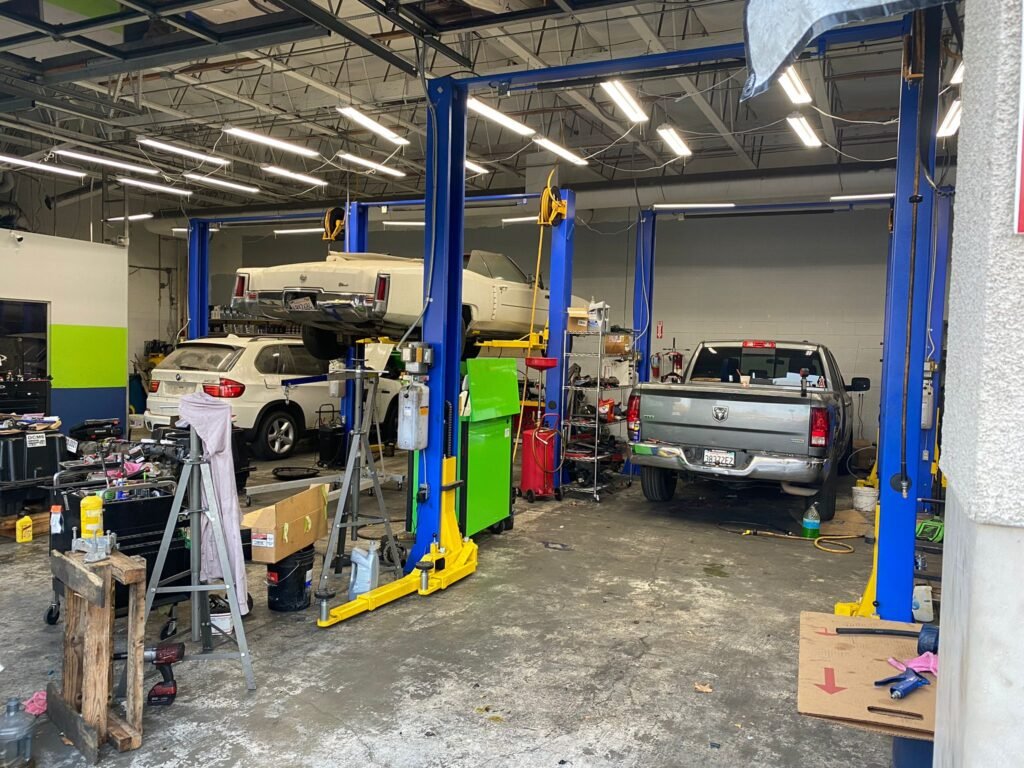
In today’s fast-paced world, ensuring your vehicle operates safely and efficiently is crucial. One of the most vital components of any car is its braking system. A properly functioning brake system not only guarantees your safety but also the safety of others on the road. Finding a reliable brake service near me or trustworthy car fixing places near me can be a game-changer in maintaining the longevity and performance of your vehicle. In this article, we’ll explore everything you need to know about brake service, the types of brake repairs available, and tips to choose the best local auto repair shop.
Understanding Brake Systems
Before diving into brake services, it’s important to understand what a brake system is and how it works. Your car’s braking system is designed to safely slow down or stop your vehicle. Most modern vehicles use either disc brakes or drum brakes, or a combination of both.
Components of a Brake System:
-
Brake Pads: These create friction against the brake rotors to slow down the car.
-
Brake Rotors (Discs): Metal discs that work with brake pads to stop the wheels.
-
Brake Drums: Found in older vehicles, these work with brake shoes to stop the car.
-
Brake Calipers: Houses the brake pads and squeezes them against the rotor.
-
Brake Lines: Carry brake fluid from the master cylinder to the brakes.
-
Brake Fluid: Transfers force from the brake pedal to the brake components.
-
Master Cylinder: Converts the pressure from the brake pedal into hydraulic force.
A properly maintained braking system ensures you can react quickly in emergencies, reducing the risk of accidents. Therefore, regular brake service is essential.
Signs You Need a Brake Service
Many car owners overlook early warning signs of brake problems, which can lead to costly repairs or dangerous situations. Here are some common indicators that your brakes need attention:
-
Squeaking or Squealing Noises: Often caused by worn brake pads.
-
Grinding Sound: Indicates that brake pads are completely worn and metal is contacting metal.
-
Vibrations While Braking: Often a sign of warped brake rotors.
-
Longer Stopping Distances: Could indicate worn brake pads or low brake fluid.
-
Brake Warning Light: Illuminated light on the dashboard signals a brake issue.
-
Pulling to One Side: Car veers left or right during braking, often due to uneven pad wear or hydraulic issues.
-
Soft or Spongy Brake Pedal: Could indicate air in the brake lines or brake fluid leaks.
Noticing these signs early can prevent more serious damage and ensure your car remains safe to drive.
Types of Brake Services
Brake service can range from simple inspections to complete overhauls. Understanding what type of service your vehicle needs will help you communicate effectively with your local car fixing places near me.
1. Brake Inspection
A comprehensive brake inspection is the first step in any brake service. Technicians examine:
-
Brake pads and shoes
-
Rotors and drums
-
Brake fluid levels
-
Brake lines and hoses
-
Calipers and hardware
This inspection identifies worn or damaged parts and helps plan any necessary repairs or replacements.
2. Brake Pad Replacement
Brake pads are the most commonly replaced brake components. Depending on your driving style and vehicle type, brake pads may need replacement every 30,000 to 70,000 miles. Local brake service centers can recommend the right type of brake pads, such as:
-
Ceramic Pads: Quiet and low dust, ideal for everyday driving.
-
Semi-Metallic Pads: Durable and effective at high temperatures.
-
Organic Pads: Less expensive but wear out faster.
3. Brake Rotor Resurfacing or Replacement
Brake rotors can warp or become uneven due to heat and friction. If the rotors are slightly damaged, they can be resurfaced. Severely damaged rotors require full replacement. Your brake service provider will assess rotor thickness and condition to determine the best approach.
4. Brake Fluid Flush
Over time, brake fluid absorbs moisture, which can reduce braking efficiency and damage internal components. A brake fluid flush involves:
-
Draining old fluid
-
Cleaning the brake system
-
Replacing it with fresh fluid
Regular brake fluid maintenance ensures optimal performance and prolongs the life of your braking system.
5. Brake Caliper Service
Calipers apply pressure to the brake pads, pressing them against the rotors. They may become stuck or leak over time. Caliper service can include lubrication, rebuilding, or replacement.
6. Emergency Brake Service
Also known as the parking brake, the emergency brake prevents your vehicle from rolling when parked. It may need cable adjustments, replacement, or lubrication, depending on its condition.
Benefits of Professional Brake Service
While some car owners attempt DIY brake maintenance, professional brake service offers many advantages:
-
Safety: Experienced technicians can detect subtle issues before they become dangerous.
-
Efficiency: Professional tools and techniques ensure the job is done right the first time.
-
Longevity: Quality service extends the life of brake components.
-
Warranty Protection: Many shops offer warranties on brake parts and labor.
-
Peace of Mind: Knowing your brakes are in top condition reduces stress on the road.
How to Find a Brake Service Near Me
Finding a trustworthy car fixing place near me for brake service may seem daunting, but these tips can simplify the process:
1. Online Research
Use search engines and review sites to find brake service centers nearby. Look for:
-
High ratings and positive reviews
-
Verified customer testimonials
-
Detailed service listings
2. Ask for Recommendations
Friends, family, and coworkers can provide firsthand feedback about local mechanics. Personal experiences often highlight reliability, honesty, and quality.
3. Check Certifications
Look for technicians certified by reputable organizations like ASE (Automotive Service Excellence). Certification ensures technicians have received proper training and follow industry standards.
4. Visit the Shop
Before committing, visit potential brake service centers. Pay attention to:
-
Cleanliness and organization
-
Modern equipment
-
Professional and friendly staff
A well-maintained shop often reflects quality work.
5. Compare Prices
While cost shouldn’t be the only factor, comparing prices for brake services helps ensure fair pricing. Beware of extremely low prices—they may indicate subpar parts or rushed service.
6. Ask About Warranty
Reputable shops stand by their work. Ask about warranties on parts and labor to ensure your investment is protected.
Cost of Brake Service
The cost of brake service depends on several factors, including vehicle type, brake system complexity, and parts quality. Here’s a general breakdown:
-
Brake Inspection: $50 – $100
-
Brake Pad Replacement: $100 – $300 per axle
-
Rotor Resurfacing: $30 – $75 per rotor
-
Rotor Replacement: $150 – $400 per axle
-
Brake Fluid Flush: $70 – $120
-
Caliper Replacement: $150 – $300 per caliper
Regular maintenance can reduce long-term costs by preventing extensive damage and ensuring consistent braking performance.
DIY vs. Professional Brake Service
While DIY brake repairs may save money, they come with risks:
Pros of DIY:
-
Lower immediate costs
-
Hands-on experience
-
Convenience if you have tools
Cons of DIY:
-
Safety risks if done incorrectly
-
Lack of specialized tools
-
Potential voiding of warranty
Professional brake service ensures precise, safe, and reliable results, making it the better choice for most drivers.
Tips for Maintaining Your Brakes
Proper maintenance extends the life of your brakes and keeps your vehicle safe. Consider these tips:
-
Regular Inspections: Check brakes at least every 12,000 miles or annually.
-
Monitor Brake Fluid: Keep fluid at proper levels and replace it as recommended.
-
Drive Smoothly: Avoid hard braking when possible to reduce wear.
-
Listen for Noise: Early detection of squeaks or grinding prevents major damage.
-
Replace Parts Promptly: Don’t delay replacing worn pads, rotors, or calipers.
-
Avoid Overloading: Carrying excessive weight can strain brakes.
Choosing the Right Car Fixing Places Near Me
When looking for brake service, choosing the right car fixing place near me is crucial. Here are some additional factors to consider:
1. Experience and Expertise
Look for shops with experienced mechanics specializing in brake repair. A shop that has worked on multiple vehicle brands and models demonstrates versatility and competence.
2. Customer Service
Friendly, transparent, and professional customer service ensures you’re informed about the repair process and costs.
3. Availability of Parts
Top-notch shops stock high-quality parts or have quick access to them, reducing repair time.
4. Clean and Organized Facility
A clean, organized, and modern shop often reflects the quality of work and attention to detail.
5. Reviews and Reputation
Read online reviews, ask for references, and gauge the shop’s reputation. Positive feedback indicates reliability and consistency.
The Importance of Local Brake Service
Using a local brake service center has several benefits:
-
Faster Service: Less travel time and often same-day service.
-
Community Trust: Local shops rely on reputation and word-of-mouth.
-
Convenience: Easier to schedule regular maintenance and follow-ups.
-
Support Local Economy: Helps sustain small businesses in your area.
Conclusion
Finding a reliable brake service near me or trustworthy car fixing place near me is essential for maintaining your vehicle’s safety, performance, and longevity. Regular brake inspections, timely repairs, and professional service help prevent accidents and costly repairs. Whether you need a simple brake pad replacement, rotor resurfacing, or a complete brake overhaul, choosing an experienced and reputable local shop ensures peace of mind on the road.
Investing in your vehicle’s brake system isn’t just a matter of convenience—it’s a matter of safety for you, your passengers, and everyone sharing the road. Next time you notice squeaks, vibrations, or longer stopping distances, don’t hesitate to search for a brake service near me and schedule a comprehensive inspection. Your brakes are the most important safety feature in your car, and proper maintenance ensures they perform flawlessly every time you hit the pedal.