
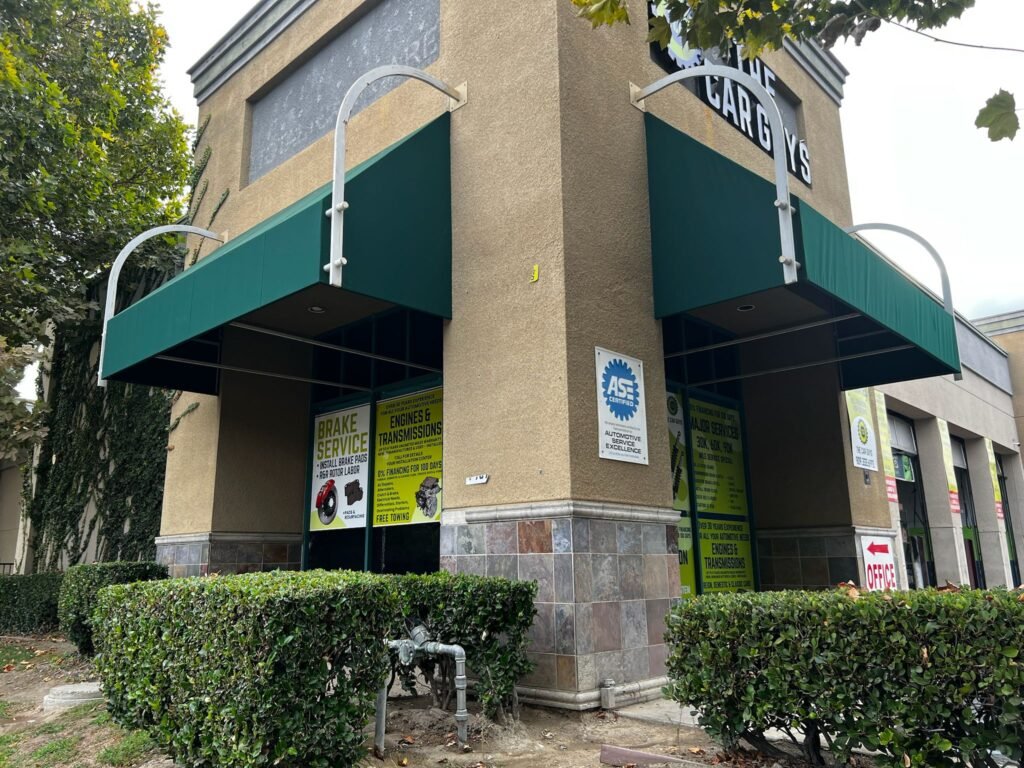
Your car’s braking system is one of the most critical components for your safety. A properly functioning brake system ensures that you can stop your vehicle quickly and safely in any situation. Whether you’re commuting daily, driving on highways, or navigating through city traffic, brakes play a vital role in preventing accidents and ensuring smooth driving. When it comes to brake service, finding a reliable car repair shop near you can make all the difference.
In this article, we’ll explore everything you need to know about brake service, including its importance, common brake problems, types of brake services, how to find the right service shop near you, and tips for maintaining your braking system.
Why Brake Service is Crucial
Brakes are not just another part of your car—they are a life-saving system. Without proper maintenance, even the most advanced braking system can fail. Brake service is critical for several reasons:
1. Safety First
A well-maintained brake system ensures that your vehicle can stop effectively. Worn-out brake pads, low brake fluid, or damaged rotors can increase stopping distances and compromise safety. Brake service helps prevent accidents by ensuring your brakes respond efficiently.
2. Prevent Costly Repairs
Neglecting brake maintenance can lead to more expensive repairs down the line. For instance, worn-out brake pads can damage the rotors, requiring full rotor replacement. Regular brake service can prevent these costly repairs.
3. Improve Vehicle Performance
A car with well-maintained brakes handles better, provides smoother stopping, and maintains overall driving performance. Regular service ensures that your braking system works in harmony with other vehicle components.
Common Brake Problems
Understanding common brake problems can help you recognize when it’s time to visit a car repair shop near you. Some of the most frequent brake issues include:
1. Worn Brake Pads
Brake pads wear down over time due to friction. If you hear a squealing or grinding sound when pressing the brakes, it’s a sign that your pads need replacement.
2. Brake Fluid Leaks
Brake fluid is essential for hydraulic braking systems. Leaks can result in reduced braking efficiency or total brake failure.
3. Warped Rotors
Excessive heat can warp brake rotors, causing vibrations or pulsations when braking. This not only affects braking performance but also creates an uncomfortable driving experience.
4. Sticking Calipers
Calipers press the brake pads against the rotor. If they stick or seize, your brakes may drag, causing uneven wear and reduced fuel efficiency.
5. ABS System Issues
Modern vehicles are equipped with Anti-lock Braking Systems (ABS). Faulty ABS sensors or modules can compromise your vehicle’s ability to brake safely in emergency situations.
Types of Brake Services Offered at Car Repair Shops
When searching for brake service near me, it’s important to know the types of services that a reputable car repair shop offers.
1. Brake Inspection
A comprehensive brake inspection identifies issues before they become serious. Mechanics check brake pads, rotors, calipers, brake lines, and fluid levels to assess the overall condition.
2. Brake Pad Replacement
Replacing worn brake pads is one of the most common brake services. Shops may offer different types of pads, including ceramic, semi-metallic, and organic, depending on your vehicle and driving habits.
3. Rotor Resurfacing or Replacement
If your rotors are warped or damaged, a shop may resurface them to restore smooth braking. Severely worn rotors require full replacement.
4. Brake Fluid Flush
Over time, brake fluid can absorb moisture, reducing its effectiveness. A fluid flush replaces old fluid with fresh fluid, ensuring proper brake system performance.
5. Caliper Service
Calipers may require cleaning, lubrication, or replacement if they’re sticking or malfunctioning. Proper caliper function ensures even brake pad wear.
6. ABS System Repair
Specialized brake shops can diagnose and repair ABS issues, including faulty sensors or control modules, restoring your vehicle’s safety features.
How to Find the Best Brake Service Near You
Finding a reliable car repair shop near me is essential for quality brake service. Here are some tips to help you choose the right service provider:
1. Check Reviews and Ratings
Online reviews provide insights into the quality of service, professionalism, and customer satisfaction. Look for shops with high ratings and positive feedback.
2. Verify Certifications
A certified shop ensures that the mechanics are trained and knowledgeable. Look for ASE (Automotive Service Excellence) certified technicians.
3. Ask About Experience
Brake systems are complex, and experience matters. Choose a shop with extensive experience in handling brake repairs for your make and model.
4. Compare Prices
While cost shouldn’t be the only factor, comparing prices ensures you get fair value. Some shops offer free inspections or estimates before performing service.
5. Warranty and Guarantees
Reputable shops provide warranties on parts and labor. This gives you peace of mind knowing that the service is reliable and long-lasting.
Signs You Need Immediate Brake Service
It’s important to recognize warning signs that indicate immediate brake service is required:
-
Squealing, grinding, or scraping noises while braking
-
Longer stopping distances
-
Brake pedal feels soft or spongy
-
Vibrations or pulsations while braking
-
Dashboard warning lights (e.g., ABS or brake warning light)
-
Vehicle pulling to one side when braking
Ignoring these signs can compromise your safety and lead to costly repairs.
Maintenance Tips for a Healthy Brake System
Regular maintenance is key to extending the life of your brakes and ensuring safe driving. Here are some tips:
1. Regular Brake Inspections
Have your brakes inspected at least once a year or as recommended in your vehicle’s manual. Early detection of wear or damage prevents major repairs.
2. Replace Brake Pads on Time
Do not wait until brake pads are completely worn out. Replacing them on time prevents damage to rotors and ensures consistent braking performance.
3. Check Brake Fluid Levels
Low or dirty brake fluid affects brake responsiveness. Check levels regularly and have the fluid flushed as recommended.
4. Drive Smoothly
Avoid hard braking whenever possible. Gradual braking reduces wear on pads and rotors, extending their lifespan.
5. Listen to Your Brakes
Pay attention to any unusual noises or changes in braking performance. Early attention to minor issues can prevent major problems.
Benefits of Choosing a Local Car Repair Shop
When searching for brake service near me, choosing a local car repair shop offers several advantages:
1. Convenience
Local shops are easier to reach and may offer faster service turnaround times.
2. Personalized Service
Smaller, local shops often provide personalized attention and can tailor services to your specific vehicle needs.
3. Support the Community
Using local services supports small businesses in your community.
4. Knowledge of Local Driving Conditions
Local mechanics often understand common driving conditions in your area, which can influence brake wear and maintenance needs.
Cost of Brake Service
The cost of brake service varies depending on the type of service, vehicle make and model, and location. Typical costs include:
-
Brake pad replacement: $100–$300 per axle
-
Rotor replacement: $200–$400 per axle
-
Brake fluid flush: $70–$120
-
Full brake system overhaul: $300–$800
It’s important to get a detailed estimate before service to avoid surprises. Quality service may cost more upfront but can save money in the long run.
Brake Service for Different Types of Vehicles
Different vehicles have unique brake system requirements. Here’s how service may vary:
1. Passenger Cars
Most passenger cars use standard disc brakes, which require routine inspection and pad replacement.
2. SUVs and Trucks
Heavier vehicles often have larger brake components. They may require more frequent service due to increased wear from weight and towing.
3. High-Performance Vehicles
Sports cars and luxury vehicles may have advanced braking systems, including carbon-ceramic rotors, which require specialized service.
4. Electric Vehicles
EVs often use regenerative braking, which reduces pad wear. However, mechanical brakes still need inspection and maintenance.
Questions to Ask Your Brake Service Provider
When visiting a car repair shop, asking the right questions ensures quality service:
-
Are the brake pads OEM (Original Equipment Manufacturer) or aftermarket?
-
What type of rotors will be installed?
-
Is the brake fluid flush included?
-
How long will the service take?
-
Is there a warranty on parts and labor?
Asking these questions protects your investment and ensures your vehicle receives proper care.
Conclusion
Brakes are one of the most critical safety components of any vehicle. Regular brake service at a reliable car repair shop near you ensures safety, prolongs the life of your braking system, and prevents costly repairs. By recognizing warning signs, performing routine maintenance, and choosing a certified, experienced shop, you can enjoy safe and stress-free driving.
Whether it’s a simple brake pad replacement, rotor resurfacing, or full brake system repair, taking proactive steps today ensures your car stops when you need it most. Don’t wait until it’s too late—schedule brake service with a trusted local car repair shop and keep your vehicle safe on the road.