
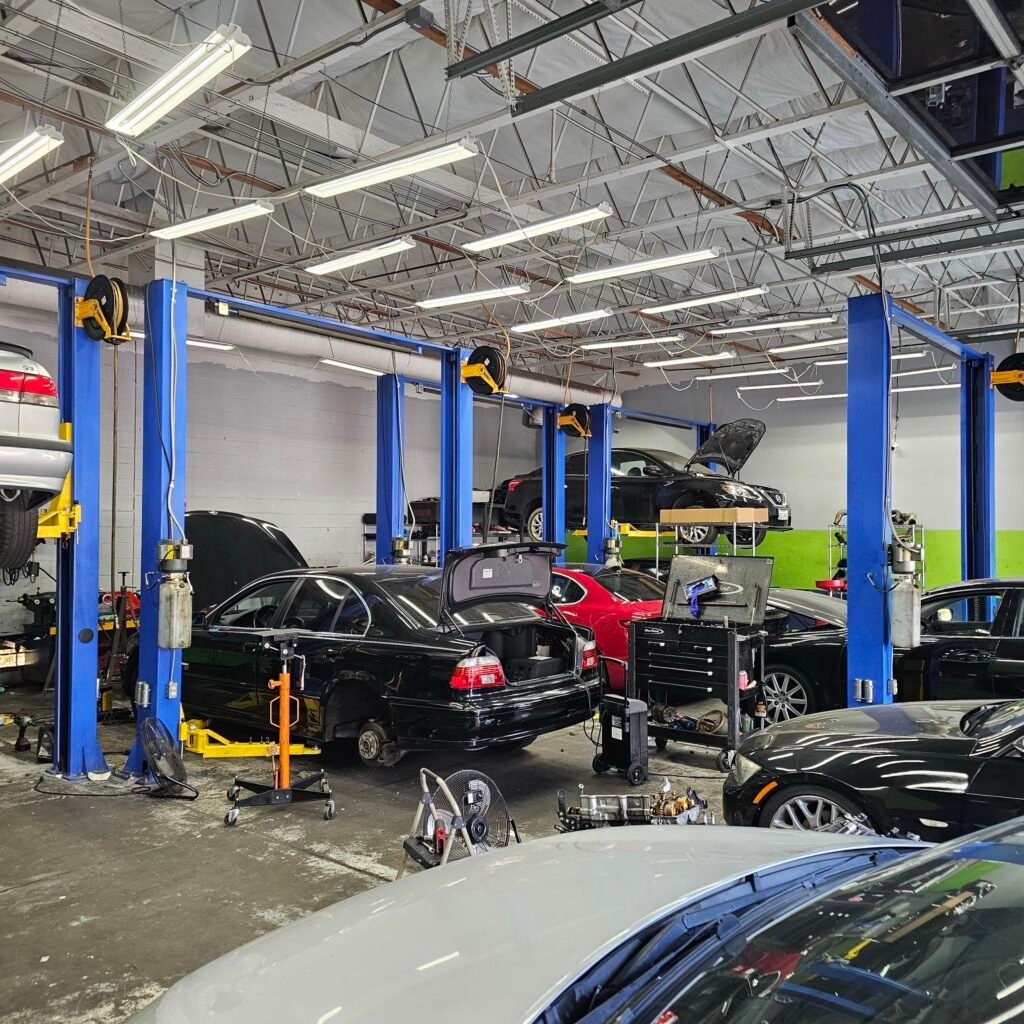
Brake pads and rotors are two of the most important components in any vehicle’s braking system. Whether you are driving through busy city streets, cruising on the highway, or navigating stop-and-go traffic, your ability to slow down and stop safely depends heavily on the condition of these parts. In an auto repair shop, brake service is one of the most common and critical maintenance tasks performed because worn brake pads or damaged rotors can quickly turn into a serious safety hazard.
This comprehensive guide explains how brake pads and rotors work, how they wear out, common warning signs, repair processes, costs, and why professional auto repair service is essential for safe driving.
Understanding the Brake System Basics
A vehicle’s braking system is designed to convert motion (kinetic energy) into heat energy through friction. When you press the brake pedal, hydraulic fluid transfers force from your foot to the brake calipers. The calipers then press the brake pads against the rotors (also called brake discs), creating friction that slows the wheels.
The main components include:
- Brake pads
- Brake rotors (discs)
- Brake calipers
- Brake fluid
- Brake lines
While all parts are essential, brake pads and rotors are the primary friction surfaces that directly control stopping power.
What Are Brake Pads?
Brake pads are flat, steel-backed plates with friction material attached to one side. They are mounted inside the brake caliper and press against the rotor when braking.
Types of Brake Pads
Different vehicles and driving styles require different pad materials:
1. Organic Brake Pads (NAO)
- Made from rubber, resin, and fibers
- Quiet operation
- Affordable
- Wear out faster
2. Semi-Metallic Brake Pads
- Made with metal shavings and compounds
- Durable and strong braking performance
- Slightly noisier
- Common in many modern vehicles
3. Ceramic Brake Pads
- Made from ceramic fibers and filler materials
- Long-lasting
- Low dust and quiet
- More expensive
Function of Brake Pads
Brake pads create the friction needed to slow down the rotor. Without proper pad thickness, braking distance increases and safety is compromised.
What Are Brake Rotors?
Brake rotors are circular metal discs attached to each wheel hub. When the brake pads clamp down on them, the friction slows wheel rotation.
Types of Brake Rotors
1. Solid Rotors
- Basic design
- Common in rear brakes of smaller vehicles
2. Ventilated Rotors
- Designed with internal cooling vanes
- Better heat dissipation
- Common in front brakes
3. Drilled Rotors
- Holes drilled through surface
- Improve cooling and water dispersion
- Can crack under extreme stress
4. Slotted Rotors
- Grooves on surface
- Improve debris removal and braking consistency
How Brake Pads and Rotors Work Together
The braking process relies on controlled friction between pads and rotors:
- Driver presses brake pedal
- Brake fluid activates calipers
- Brake pads clamp onto rotor surface
- Friction slows wheel rotation
- Vehicle comes to a stop
Over time, this repeated friction causes both components to wear down. Brake pads wear faster, while rotors last longer but eventually need resurfacing or replacement.
Signs of Worn Brake Pads and Rotors
Recognizing early warning signs can prevent costly repairs and dangerous driving conditions. Auto repair shops frequently inspect these symptoms:
1. Squeaking or Squealing Sounds
High-pitched noises usually indicate worn brake pads. Many pads include a built-in wear indicator that produces sound when replacement is needed.
2. Grinding Noise
Grinding often means the brake pad material is completely worn down, causing metal-to-metal contact with the rotor. This can severely damage the rotor surface.
3. Vibration or Pulsation
If the steering wheel or brake pedal vibrates, it may indicate warped rotors.
4. Reduced Braking Performance
Longer stopping distances are a major warning sign of worn pads or overheated rotors.
5. Dashboard Brake Warning Light
Modern vehicles include sensors that alert drivers when brake service is required.
6. Pulling to One Side
Uneven wear or caliper issues can cause the vehicle to pull left or right during braking.
Causes of Brake Pad and Rotor Wear
Brake wear is normal, but certain factors can accelerate deterioration:
Driving Habits
- Frequent hard braking
- Riding the brakes downhill
- Stop-and-go traffic
Environmental Conditions
- Mountain driving
- Hot climates causing overheating
- Wet or dirty road conditions
Vehicle Load
- Heavy cargo increases braking force needed
Poor Maintenance
- Ignoring brake fluid changes
- Delaying pad replacement
- Using low-quality brake parts
Brake Pad Replacement Process in an Auto Repair Shop
Professional brake service involves several steps to ensure safety and performance.
Step 1: Inspection
Mechanics check:
- Pad thickness
- Rotor condition
- Caliper movement
- Brake fluid level
Step 2: Wheel Removal
The vehicle is lifted, and wheels are removed to access brake components.
Step 3: Caliper Removal
The brake caliper is carefully detached without damaging brake lines.
Step 4: Pad Replacement
Old pads are removed and replaced with new ones matching manufacturer specifications.
Step 5: Rotor Inspection or Replacement
Rotors are measured for thickness and checked for warping or grooves.
Step 6: Resurfacing (if applicable)
Some rotors can be machined to restore a smooth surface.
Step 7: Reassembly and Testing
All components are reinstalled, and brake function is tested for safety.
When to Replace Brake Rotors
Rotors do not always need replacement every time pads are changed, but they should be replaced when:
- Thickness is below manufacturer minimum
- Severe grooves or scoring exist
- Warping causes vibration
- Cracks or heat damage appear
In many modern auto repair shops, replacing both pads and rotors together is often recommended for best performance.
Brake Pad and Rotor Lifespan
Lifespan varies depending on driving conditions:
- Brake pads: 25,000 to 70,000 miles
- Brake rotors: 50,000 to 100,000 miles
City driving and aggressive braking shorten lifespan significantly, while highway driving extends it.
Cost of Brake Pad and Rotor Replacement
Prices vary depending on vehicle type, parts quality, and labor rates.
Average Costs:
- Brake pad replacement: $150 – $350 per axle
- Rotor replacement: $200 – $500 per axle
- Full brake service (pads + rotors): $300 – $900 per axle
Luxury vehicles and performance cars may cost more due to specialized parts.
Importance of Professional Auto Repair Shop Service
While some experienced car owners attempt DIY brake replacement, professional auto repair shops provide several advantages:
1. Safety Assurance
Brake systems require precise installation. Even small mistakes can lead to brake failure.
2. Proper Tools and Equipment
Shops use hydraulic lifts, torque wrenches, and diagnostic tools.
3. Expert Diagnosis
Mechanics can identify hidden issues such as:
- Sticking calipers
- Brake fluid leaks
- ABS sensor problems
4. Warranty Protection
Many repair shops offer warranties on parts and labor.
5. Time Efficiency
Professional service is significantly faster and more reliable.
Common Brake Problems Found in Auto Repair Shops
Mechanics frequently encounter:
Uneven Brake Wear
Caused by faulty calipers or misalignment.
Brake Fade
Loss of braking power due to overheating.
Soft Brake Pedal
Often due to air in brake lines or fluid issues.
Rusted Rotors
Common in humid or unused vehicles.
Brake Noise After Replacement
May indicate improper installation or low-quality parts.
How to Extend Brake Life
Drivers can maximize brake longevity by adopting better habits:
- Avoid hard braking whenever possible
- Maintain safe following distances
- Coast to slow down instead of sudden stops
- Remove unnecessary vehicle weight
- Schedule regular inspections
Proper maintenance reduces long-term repair costs and improves road safety.
Choosing the Right Auto Repair Shop for Brake Service
Not all repair shops provide the same level of quality. When selecting a brake service provider, consider:
- Certified mechanics (ASE certification)
- Positive customer reviews
- Warranty on parts and labor
- Transparent pricing
- Experience with your vehicle type
A trustworthy shop will always explain what is wrong, why repairs are needed, and what options are available.
Final Thoughts
Brake pads and rotors are essential safety components that should never be ignored. They work together to ensure your vehicle stops effectively in all driving conditions. Over time, wear is inevitable, but timely inspection and replacement at a professional auto repair shop can prevent accidents, reduce repair costs, and keep your vehicle performing safely.
Whether you are hearing unusual noises, feeling vibrations, or simply due for routine maintenance, addressing brake issues early is always the best decision. Proper brake care is not just about maintaining a vehicle—it is about protecting lives on the road.