
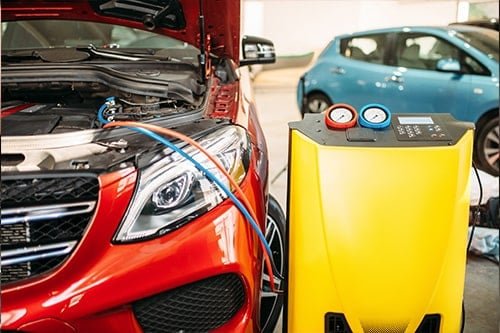
As temperatures soar, a properly functioning air conditioning (AC) system in your vehicle becomes essential for comfort and safety. Over time, your car’s AC may lose its cooling efficiency due to refrigerant leaks or general wear and tear, making an auto AC recharge necessary. Whether you’re experiencing weak airflow, warm air from the vents, or strange noises, understanding the process of AC recharge and how to choose the right automotive repair shop can save you time, money, and stress.
This article will guide you through the basics of auto AC recharge, common signs your AC needs servicing, the recharge process, and tips for finding reputable repair shops near you.
What Is Auto AC Recharge?
An auto AC recharge refers to the process of refilling your vehicle’s air conditioning system with refrigerant. The refrigerant is the chemical (commonly R-134a or newer R-1234yf) that absorbs heat from the cabin and releases it outside, keeping the interior cool. Over time, refrigerant levels can drop due to minor leaks or natural dissipation, leading to reduced cooling efficiency.
Why Is It Important?
- Comfort: A well-functioning AC ensures a pleasant driving experience, especially in hot climates.
- Safety: AC helps demist windows, improving visibility.
- System Health: Regular maintenance prevents costly repairs and prolongs the lifespan of AC components.
Signs Your Car Needs an AC Recharge
Recognizing the symptoms of a low refrigerant level can help you address problems before they escalate. Here are the most common signs:
- Warm Air from Vents: If the air blowing from your AC is not as cold as it used to be, low refrigerant could be the culprit.
- Weak Airflow: Reduced air pressure may indicate a refrigerant leak or compressor issue.
- AC Clutch Not Engaging: The AC compressor clutch may not activate if refrigerant is too low.
- Unusual Noises: Hissing or bubbling sounds can signal leaks in the system.
- Visible Leaks: Puddles or stains under your car may be refrigerant escaping.
If you notice any of these symptoms, it’s time to consider an AC recharge.
The Auto AC Recharge Process: Step-by-Step
While some DIY kits are available, a professional recharge ensures safety and accuracy. Here’s how the process typically unfolds at an automotive repair shop:
1. Inspection and Diagnosis
Technicians begin by checking the AC system for leaks and damage. They use gauges to measure pressure and UV dye or electronic detectors to locate leaks.
2. Evacuation of Old Refrigerant
If leaks are found, the technician evacuates the remaining refrigerant using specialized equipment, ensuring environmental safety and compliance with regulations.
3. Repairing Leaks
Any detected leaks are repaired before refilling the system. This may involve replacing O-rings, hoses, or other components.
4. Vacuum Testing
A vacuum is applied to remove moisture and air from the system, which prevents corrosion and ensures optimal performance.
5. Recharging with Refrigerant
The technician refills the system with the correct type and amount of refrigerant, based on manufacturer specifications.
6. Performance Testing
The system is tested for cooling efficiency, proper pressure, and leak-free operation.
DIY vs. Professional AC Recharge
While DIY recharge kits are widely available, professional servicing is recommended for several reasons:
- Accuracy: Professionals use precise equipment to measure refrigerant levels and detect leaks.
- Safety: Handling refrigerant requires proper training and protective gear.
- Warranty: Many shops offer warranties on their work, giving you peace of mind.
- Environmental Responsibility: Technicians follow strict protocols to prevent refrigerant release into the atmosphere.
How Often Should You Recharge Your Car’s AC?
There’s no set schedule for AC recharges; it depends on your vehicle’s age, usage, and maintenance history. Typically, modern cars can go several years without needing a recharge unless there’s a leak. If you notice performance issues, have your AC checked promptly.
Common Causes of AC Problems
Understanding what leads to AC issues can help you prevent them:
- Refrigerant Leaks: Most common cause; often due to worn seals or hoses.
- Compressor Failure: Can occur from lack of use or contaminated refrigerant.
- Electrical Issues: Faulty sensors or switches can affect AC operation.
- Clogged Condenser or Cabin Filters: Reduces cooling efficiency.
Regular maintenance and prompt attention to problems can keep your AC running smoothly.
How to Find Automotive Repair Shops Near You
Finding a trustworthy repair shop is crucial for quality service and fair pricing. Here’s how to locate and evaluate automotive repair shops for your AC recharge:
1. Online Search
Use search engines or map services to find “automotive repair shops near me” or “car AC recharge near me.” Check their websites for services offered.
2. Read Reviews
Look for customer feedback on Google, Yelp, or Facebook. Pay attention to reviews mentioning AC service, professionalism, and pricing.
3. Check Certifications
Reputable shops employ certified technicians (e.g., ASE certification) and follow industry standards.
4. Ask About Experience
Inquire about the shop’s experience with your car’s make and model, as AC systems can vary.
5. Compare Pricing
Get quotes from several shops. Beware of prices that are significantly lower than average, as they may indicate shortcuts or subpar materials.
6. Warranty & Guarantees
Choose shops that offer warranties on parts and labor for AC repairs.
7. Visit the Shop
If possible, visit in person to assess cleanliness, organization, and professionalism.
Questions to Ask Your Repair Shop
Before scheduling an AC recharge, ask the following:
- What type of refrigerant do you use?
- Do you check for leaks before recharging?
- Is the recharge covered by a warranty?
- How long will the service take?
- Are there any additional fees?
Clear communication helps avoid surprises and ensures you get quality service.
Typical Costs for Auto AC Recharge
The cost of an AC recharge varies based on your location, vehicle type, and the extent of repairs needed. On average:
- Basic Recharge: $100–$200
- Leak Repair + Recharge: $150–$400
- Compressor Replacement: $500–$1200
Always ask for a detailed estimate before authorizing repairs.
Preventive Maintenance Tips for Your Car’s AC
Regular care can prevent major issues:
- Run Your AC Regularly: Even in winter, running the AC keeps seals lubricated.
- Replace Cabin Air Filter: Change annually or as recommended.
- Schedule Annual Inspections: Early detection of leaks or wear saves money.
- Keep Condenser Clean: Remove leaves and debris from the front of your car.
- Monitor Performance: Address cooling issues promptly.
Environmental Considerations
Modern refrigerants are less harmful than older types, but still require careful handling. Professional shops recover and recycle refrigerant to minimize environmental impact. DIY kits can lead to accidental releases, so professional service is preferable.
Conclusion
A well-maintained AC system enhances comfort, safety, and driving enjoyment. Understanding the importance of auto AC recharge, recognizing signs of trouble, and choosing a reputable automotive repair shop can ensure your car stays cool and reliable. Regular maintenance and prompt attention to issues will help you avoid costly repairs and keep your vehicle running smoothly.
When searching for “automotive repair shops near me,” prioritize certified professionals, transparent pricing, and customer reviews. With the right care, your car’s AC will keep you comfortable on every journey.
Frequently Asked Questions (FAQs)
Q: Can I recharge my car’s AC myself?
A: DIY kits are available, but professional service is safer and more effective, especially if leaks are present.
Q: How long does an AC recharge take?
A: Most shops complete the process in 1–2 hours, depending on the extent of repairs.
Q: Is refrigerant harmful?
A: Yes, improper handling can cause environmental damage and health risks. Always let professionals handle it.
Q: How can I tell if my AC needs more than just a recharge?
A: Persistent issues after recharge may indicate leaks, compressor failure, or electrical problems—requiring further diagnosis.
Q: What refrigerant does my car use?
A: Most modern cars use R-134a or R-1234yf; check your owner’s manual or ask your technician.