
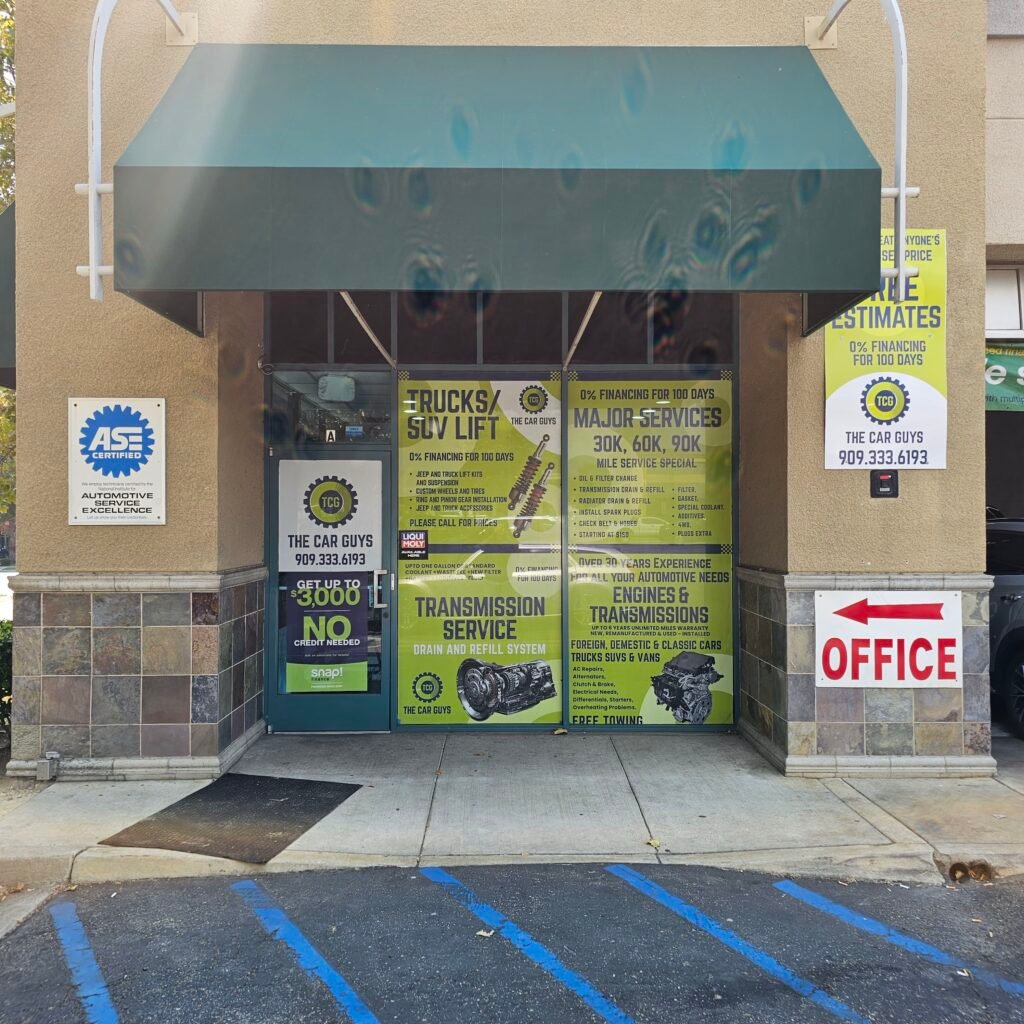
When your vehicle’s braking system begins to show signs of wear, finding a reliable brake mechanic near me or an experienced auto shop near me becomes a top priority. Brakes are one of the most critical safety systems in any vehicle, and even minor issues can affect stopping performance, vehicle control, and overall road safety. Whether you hear squealing noises, feel vibrations when braking, or notice a warning light on your dashboard, timely brake service can help prevent costly repairs and dangerous driving conditions.
Understanding the Importance of Brake Maintenance
Your vehicle’s brake system works every time you slow down or stop. Over thousands of miles, brake components naturally wear due to friction and heat. Routine inspections and maintenance help ensure the system continues to perform efficiently.
A typical brake system consists of:
- Brake pads
- Brake rotors
- Brake calipers
- Brake fluid
- Brake lines
- Master cylinder
- ABS components
Each component plays an important role in helping your vehicle stop safely. When one part fails or wears excessively, the entire braking system can be affected.
Common Signs You Need a Brake Mechanic
Many drivers ignore early warning signs of brake problems, which can lead to expensive repairs later. Consider visiting a professional auto repair shop if you notice any of the following symptoms:
Squealing or Screeching Noises
Brake pads contain wear indicators designed to create a high-pitched noise when the pads become thin. This sound serves as an alert that replacement is needed.
Grinding Sounds
Grinding noises often indicate severely worn brake pads. Metal-to-metal contact can damage rotors and significantly increase repair costs.
Vibrations While Braking
If your steering wheel or brake pedal vibrates during braking, warped rotors may be the cause. A qualified brake mechanic can inspect and determine whether resurfacing or replacement is necessary.
Soft or Spongy Brake Pedal
A brake pedal that feels soft may indicate air in the brake lines, low brake fluid, or a hydraulic system problem.
Vehicle Pulling to One Side
Uneven braking can cause the vehicle to pull left or right when stopping. This issue may result from a stuck caliper, uneven pad wear, or hydraulic imbalances.
Brake Warning Light
Modern vehicles include brake system monitoring sensors. If the warning light appears, professional diagnosis should be scheduled immediately.
Services Offered by a Professional Brake Mechanic
A reputable auto shop near you can provide comprehensive brake system services, including:
Brake Inspection
Technicians examine brake pads, rotors, calipers, hoses, fluid levels, and related components to identify wear or damage.
Brake Pad Replacement
Brake pads are among the most frequently replaced brake components. Regular replacement helps protect rotors and maintain safe stopping distances.
Rotor Resurfacing and Replacement
Rotors can become uneven due to heat and wear. Depending on their condition, they may be resurfaced or replaced.
Brake Fluid Flush
Brake fluid absorbs moisture over time, reducing braking efficiency. A fluid flush restores proper hydraulic performance.
Caliper Repair
Brake calipers apply pressure to the pads and rotors. Faulty calipers can cause uneven braking and excessive wear.
ABS Diagnostics
Modern vehicles use Anti-lock Braking Systems (ABS) to improve control during emergency stops. Specialized diagnostic equipment can identify ABS-related problems.
Why Regular Brake Inspections Matter
Regular brake inspections provide several benefits:
Improved Safety
Well-maintained brakes reduce stopping distances and improve vehicle control.
Lower Repair Costs
Addressing minor issues early prevents expensive damage to rotors, calipers, and other components.
Enhanced Performance
Properly functioning brakes provide smoother and more responsive stopping power.
Longer Component Life
Routine maintenance extends the lifespan of brake pads, rotors, and hydraulic components.
Better Fuel Efficiency
A properly functioning brake system helps reduce unnecessary drag and improves vehicle efficiency.
How Often Should Brakes Be Inspected?
Most automotive professionals recommend brake inspections:
- Every 10,000 to 15,000 miles
- During tire rotations
- During routine maintenance visits
- Before long road trips
Driving habits, vehicle type, and road conditions can affect brake wear rates. Urban driving with frequent stops generally causes faster wear than highway driving.
Choosing the Best Auto Shop Near Me
Finding the right auto repair facility is essential for quality service and peace of mind. Consider these factors when selecting a brake mechanic:
Certified Technicians
Look for technicians with professional automotive certifications and brake repair experience.
Modern Diagnostic Equipment
Advanced vehicles require specialized tools for accurate diagnosis and repair.
Transparent Pricing
A trustworthy repair shop provides detailed estimates before beginning work.
Positive Customer Reviews
Online reviews and customer feedback can offer insight into service quality and reliability.
Warranty Coverage
Many reputable repair facilities offer warranties on parts and labor.
Clean and Organized Facility
A professional work environment often reflects attention to detail and quality workmanship.
Brake Pad Types and Their Benefits
Different brake pad materials offer varying levels of performance.
Organic Brake Pads
Organic pads are generally quieter and less expensive. They are suitable for everyday driving but may wear more quickly.
Semi-Metallic Brake Pads
These pads offer excellent durability and heat resistance, making them popular for many passenger vehicles.
Ceramic Brake Pads
Ceramic pads provide quiet operation, reduced brake dust, and long service life. They are commonly used in modern vehicles.
A brake mechanic can recommend the best option based on your driving style and vehicle requirements.
Understanding Brake Rotors
Brake rotors work together with brake pads to create the friction necessary for stopping. Over time, rotors experience:
- Heat buildup
- Surface wear
- Grooving
- Warping
Regular inspections help determine whether rotors can be resurfaced or require replacement.
The Importance of Brake Fluid
Brake fluid transfers force from the brake pedal to the braking components. Moisture contamination can reduce effectiveness and lead to corrosion within the system.
Signs of brake fluid issues include:
- Soft brake pedal
- Reduced braking response
- Warning lights
- Fluid leaks
Periodic brake fluid replacement helps maintain system reliability and safety.
Brake Repair for Different Vehicle Types
Professional auto shops service a wide variety of vehicles, including:
Passenger Cars
Sedans, hatchbacks, and coupes require regular brake maintenance for safe daily transportation.
SUVs
Sport utility vehicles often have larger braking systems designed to handle additional weight.
Pickup Trucks
Trucks used for towing or hauling may experience increased brake wear due to heavier loads.
Hybrid Vehicles
Hybrid braking systems often incorporate regenerative braking technology and require specialized expertise.
Luxury Vehicles
High-performance braking systems found in luxury vehicles require manufacturer-specific knowledge and equipment.
What Happens During a Brake Inspection?
A comprehensive brake inspection typically includes:
- Measuring brake pad thickness
- Inspecting rotor condition
- Checking caliper operation
- Evaluating brake fluid quality
- Examining brake hoses and lines
- Testing braking performance
- Inspecting ABS components
- Reviewing overall system condition
After the inspection, technicians provide recommendations based on the findings.
Preventing Premature Brake Wear
Drivers can extend brake component life by following several simple practices:
Avoid Aggressive Braking
Hard stops generate excessive heat and accelerate wear.
Maintain Safe Following Distances
Allowing more space reduces the need for sudden braking.
Reduce Excess Vehicle Weight
Carrying unnecessary cargo increases brake workload.
Schedule Regular Maintenance
Routine inspections help identify developing issues before they worsen.
Drive Smoothly
Gradual acceleration and braking contribute to longer brake life.
Emergency Brake System Maintenance
The parking brake, also called the emergency brake, is another important safety feature. Over time, cables and components may require adjustment or repair.
Common parking brake issues include:
- Excessive lever travel
- Weak holding power
- Sticking mechanisms
- Cable corrosion
Regular inspections ensure proper operation when needed.
Advanced Brake Technologies
Modern vehicles include numerous advanced braking technologies:
Anti-lock Braking System (ABS)
ABS prevents wheel lockup during emergency braking situations.
Electronic Brakeforce Distribution (EBD)
This system optimizes braking force between front and rear wheels.
Brake Assist
Brake assist helps maximize stopping power during emergency situations.
Electronic Stability Control (ESC)
ESC works alongside the braking system to improve vehicle stability.
Professional technicians have the equipment needed to diagnose and repair these sophisticated systems.
The Cost of Delaying Brake Repairs
Ignoring brake issues often leads to more extensive repairs. For example:
- Worn pads can damage rotors.
- Damaged rotors can affect calipers.
- Fluid leaks can impact hydraulic components.
- ABS issues can compromise vehicle safety systems.
Addressing problems early typically reduces repair costs and prevents unexpected breakdowns.
Seasonal Effects on Brake Performance
Weather conditions can influence brake system operation.
Summer Heat
High temperatures increase brake system stress and can accelerate fluid degradation.
Winter Conditions
Road salt, moisture, and freezing temperatures may contribute to corrosion and component wear.
Rainy Weather
Wet conditions can temporarily reduce braking effectiveness and increase component exposure to moisture.
Seasonal inspections help ensure year-round reliability.
Benefits of Professional Brake Service
Professional brake repair offers several advantages over attempting repairs without proper training:
- Accurate diagnostics
- Quality replacement parts
- Proper installation procedures
- Manufacturer recommendations
- Safety-focused repairs
- Warranty protection
Experienced technicians understand vehicle-specific requirements and can identify hidden issues before they become major problems.
Fleet Brake Maintenance
Businesses operating multiple vehicles often benefit from scheduled fleet maintenance programs. Regular brake service helps:
- Reduce downtime
- Improve driver safety
- Lower repair expenses
- Extend vehicle lifespan
- Maintain operational efficiency
Professional auto repair facilities frequently offer customized fleet maintenance solutions.
Questions to Ask a Brake Mechanic
Before authorizing repairs, consider asking:
- What brake components need replacement?
- Are the rotors reusable or damaged?
- What warranty is provided?
- How long will repairs take?
- What maintenance can help prevent future issues?
Clear communication helps ensure informed repair decisions.
Finding Reliable Brake Repair Near Me
When searching for brake repair services, prioritize quality over price alone. The lowest estimate may not always provide the best value. Consider technician expertise, customer satisfaction, warranty coverage, and overall reputation.
Local auto shops often build long-term relationships with customers by delivering dependable service and honest recommendations. Reading reviews, requesting estimates, and comparing service offerings can help identify the right repair facility.
Conclusion
Searching for a brake mechanic near me or an auto shop near me is often the first step toward protecting your vehicle and ensuring road safety. Brakes are among the most important systems in any automobile, and regular maintenance is essential for reliable performance. From routine inspections and brake pad replacements to rotor service and ABS diagnostics, professional technicians help keep vehicles operating safely and efficiently.
By recognizing warning signs early, scheduling routine inspections, and choosing a reputable repair facility, drivers can avoid costly repairs and enjoy greater confidence behind the wheel. Whether you drive a compact sedan, SUV, truck, hybrid, or luxury vehicle, investing in professional brake maintenance is one of the smartest decisions you can make for your vehicle’s long-term reliability and safety.