
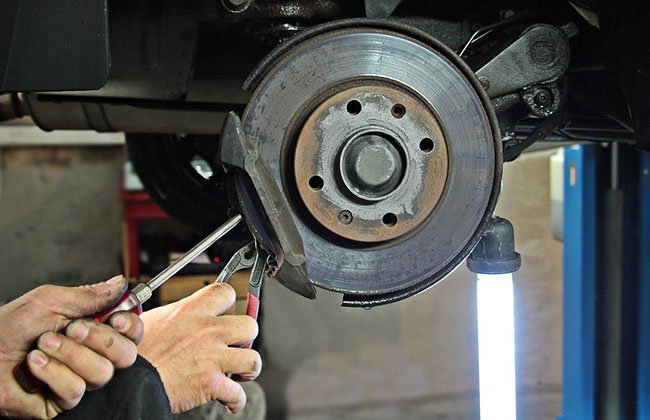
When it comes to vehicle safety and performance, few components are as critical as your braking system. Among the essential parts of this system, brake pads play a crucial role in ensuring your vehicle can stop safely and effectively. Over time, brake pads wear down due to friction, heat, and everyday driving conditions, requiring timely replacement to maintain optimal braking performance. For many drivers, the question isn’t just “when do I need brake pad replacement?” but also “where can I find the best brake pad replacement near me?”
This comprehensive guide provides everything you need to know about brake pad replacement—from recognizing the signs of worn pads, understanding the replacement process, cost factors, and benefits, to finding trustworthy auto repair shops near you. By the end, you’ll have a thorough understanding of how to protect both your car and your safety with proper brake maintenance.
Why Brake Pads Are So Important
Brake pads are the components that press against the brake rotors when you step on the brake pedal. They create friction, converting your vehicle’s kinetic energy into heat, which allows your car to slow down and stop. Without functioning brake pads, your vehicle would either take far longer to stop or fail to stop altogether—both scenarios that pose serious safety risks.
Key functions of brake pads include:
-
Friction Creation: Ensures proper stopping power.
-
Heat Dissipation: Prevents brake system overheating.
-
Vibration Absorption: Reduces noise and wear on other braking components.
-
Safety Assurance: Provides reliable stopping in emergencies.
Signs That You Need Brake Pad Replacement
Recognizing the early signs of worn-out brake pads can save you from costly repairs and keep you safe on the road. Here are the most common warning signs:
-
Squeaking or Squealing Noises
-
Most brake pads come with built-in wear indicators that emit a high-pitched squeal when the pads are too thin.
-
-
Grinding Sound
-
If you hear grinding when braking, the pad material may be completely worn, exposing the metal backing plate.
-
-
Longer Stopping Distances
-
Worn pads reduce stopping efficiency, making your car take longer to stop.
-
-
Vibrations or Pulsations
-
If your brake pedal shakes or pulses, it may indicate uneven wear or rotor damage.
-
-
Brake Warning Light
-
Some vehicles have dashboard indicators when brake pads are low.
-
-
Thin Brake Pads
-
By visually inspecting through the wheel spokes, if the pad material looks less than ¼ inch, it’s time to replace them.
-
Average Lifespan of Brake Pads
Brake pad life depends on multiple factors, including driving style, road conditions, vehicle type, and pad material.
-
Standard Pads: 30,000–40,000 miles
-
Premium Pads (Ceramic): 50,000–70,000 miles
-
Heavy-Duty Pads (for trucks/SUVs): 20,000–30,000 miles
Aggressive driving, frequent braking, or city driving tends to shorten lifespan compared to highway cruising.
Types of Brake Pads
When searching for “brake pad replacement near me,” you’ll notice different types of pads available. Each has pros and cons:
-
Organic Brake Pads
-
Made from rubber, glass, and resins.
-
Quieter and softer but wear out faster.
-
-
Semi-Metallic Pads
-
Contain metals like steel and iron.
-
Durable and good for heavy vehicles, but noisier.
-
-
Ceramic Pads
-
Made from ceramic fibers and bonding agents.
-
Longer lifespan, quiet operation, low dust production.
-
-
Low-Metallic Pads
-
Mix of organic and small amounts of metal.
-
Good heat transfer but may produce more dust.
-
The Brake Pad Replacement Process
When you visit an auto repair shop near you for brake pad replacement, here’s what typically happens:
-
Inspection: Mechanic checks pad thickness, rotors, calipers, and brake fluid.
-
Removing Old Pads: Wheel is removed, caliper bolts loosened, and old pads are taken out.
-
Rotor Assessment: Rotors may be resurfaced or replaced if damaged.
-
Installing New Pads: Fresh pads are fitted with proper lubrication on contact points.
-
Reassembly & Testing: Brakes are reassembled, and the vehicle is test-driven for safety.
Cost of Brake Pad Replacement Near Me
The cost varies based on vehicle type, pad material, and labor rates at your local auto repair shop.
-
Per Axle (Front or Rear): $150–$300
-
Luxury or Performance Cars: $300–$600 per axle
-
DIY Kits: $50–$100 (but not recommended unless you have experience)
Additional costs may include:
-
Rotor replacement: $200–$400
-
Caliper replacement: $150–$300
-
Brake fluid flush: $80–$120
Benefits of Timely Brake Pad Replacement
-
Improved Safety: Reduced stopping distances and reliable braking.
-
Lower Repair Costs: Prevents damage to rotors and calipers.
-
Better Fuel Efficiency: Efficient brakes reduce drag and energy loss.
-
Enhanced Driving Comfort: Smooth, quiet braking without vibrations.
-
Increased Vehicle Value: Well-maintained brakes improve resale appeal.
Finding Reliable Brake Pad Replacement Near Me
Searching for an “auto repair near me” can return dozens of options, but not all repair shops are equal. Here’s how to choose wisely:
1. Check Online Reviews
-
Google, Yelp, and Better Business Bureau ratings offer insight into shop reliability.
2. Ask for Certifications
-
Look for ASE-certified technicians.
3. Compare Prices
-
Get at least 2–3 quotes for transparency.
4. Inquire About Warranties
-
Many shops offer warranties on parts and labor (6–24 months).
5. Convenience & Location
-
Choose a nearby shop for easy drop-off and pickup.
6. Customer Service
-
Clear communication and honest diagnostics are key indicators of a trustworthy shop.
DIY vs Professional Brake Pad Replacement
-
DIY Pros: Cheaper, educational, and satisfying.
-
DIY Cons: Risk of mistakes, lack of warranty, safety concerns.
-
Professional Pros: Expertise, safety assurance, access to quality parts, and warranties.
-
Professional Cons: Higher cost.
For most drivers, professional replacement is recommended due to the importance of braking performance.
FAQs About Brake Pad Replacement
Q1: How long does it take to replace brake pads?
Typically 1–2 hours per axle.
Q2: Should I replace front and rear pads together?
Not always. Front pads wear faster, but both should be inspected.
Q3: Can I drive with worn brake pads?
It’s dangerous and can damage your rotors, leading to expensive repairs.
Q4: Are ceramic pads better than metallic?
Ceramic pads last longer and run quieter, but they’re pricier.
Q5: How often should brakes be inspected?
Every 10,000–15,000 miles or during regular oil changes.
Conclusion
Brake pads are vital to your vehicle’s safety, and ignoring their condition can lead to dangerous consequences. Recognizing early warning signs, understanding your options, and seeking professional service from a trusted auto repair shop near you ensures peace of mind and long-term savings. Whether you’re driving in heavy city traffic, on highways, or through rugged terrains, maintaining your brake system is non-negotiable.
So the next time you search for “brake pad replacement near me – auto repair near me,” remember that the right choice of mechanic and timely replacement not only saves money but also safeguards your life and those of others on the road.