
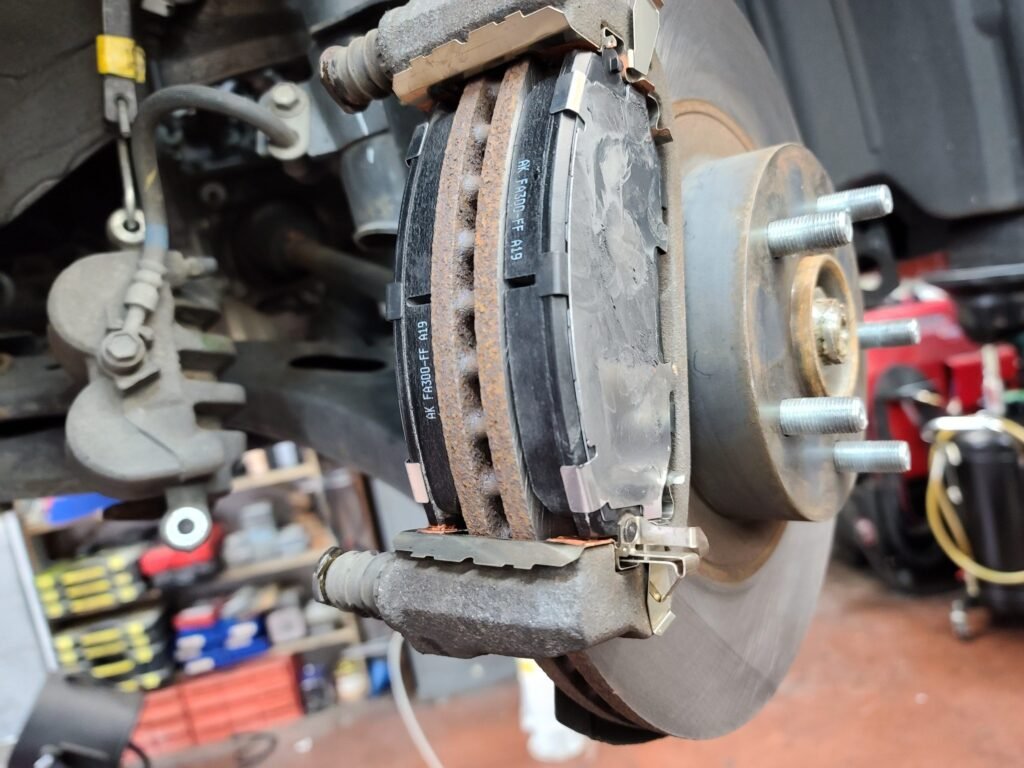
Your car’s braking system is one of the most critical components for your safety on the road. Among the various parts that comprise a braking system, brake pads play a vital role in ensuring smooth, reliable stopping power. Over time, brake pads wear down, and replacing them is essential to maintain the safety and performance of your vehicle. If you’re searching for “brake pad replacement near me,” understanding the process, signs of wear, costs, and choosing a reliable auto repair service can save you both money and potential safety hazards.
Understanding Brake Pads
Brake pads are friction materials mounted on a metal backing that press against the brake rotor when you apply the brakes. This friction slows down or stops your vehicle. Modern vehicles typically use disc brakes on the front wheels, while the rear may have disc or drum brakes. Brake pads are designed to withstand high temperatures and pressure, but they do not last forever.
There are generally three types of brake pads:
-
Organic Brake Pads: Made from a mixture of fibers and materials like rubber, glass, and Kevlar. They are softer and quieter but wear faster.
-
Semi-Metallic Brake Pads: Contain a mix of metals and organic materials. They are more durable and provide better heat dissipation but can be noisier.
-
Ceramic Brake Pads: Made from ceramic compounds and copper fibers. They are quieter, produce less dust, and last longer, but they are more expensive.
Signs You Need Brake Pad Replacement
Recognizing the signs of worn brake pads can prevent costly repairs and accidents. Some common indicators include:
-
Squealing or Screeching Noise: A high-pitched sound when braking is often a built-in wear indicator signaling that the pads are nearing the end of their lifespan.
-
Grinding Sound: A grinding noise usually indicates that the brake pad material has worn away completely, causing metal-to-metal contact with the rotor, which can damage both pads and rotors.
-
Longer Stopping Distance: If your vehicle takes longer to stop, your brake pads may be worn.
-
Vibrations or Pulsing: Uneven brake pad wear or warped rotors can cause a pulsing sensation when pressing the brake pedal.
-
Brake Warning Light: Many modern cars have sensors that trigger a dashboard light when brake pads need replacement.
If you notice any of these symptoms, it is vital to search for “brake pad replacement near me” and book an appointment immediately.
Brake Pad Replacement Process
Replacing brake pads is a detailed process that should be performed by trained technicians to ensure safety. The procedure typically involves:
-
Vehicle Inspection: The technician inspects the brake system, checking pad thickness, rotor condition, and caliper function.
-
Removing the Wheel: The wheel is removed to access the brake assembly.
-
Removing Old Brake Pads: Calipers are detached, and old brake pads are removed carefully.
-
Inspecting Rotors and Hardware: Rotors are checked for wear and may be resurfaced or replaced if damaged. Caliper hardware, clips, and pins are inspected for corrosion or wear.
-
Installing New Brake Pads: New pads are installed, sometimes with anti-squeal lubricant applied.
-
Reassembling the Brakes: Calipers and wheels are reinstalled, and bolts are torqued to manufacturer specifications.
-
Testing: The brake system is tested to ensure proper function, including pedal feel and stopping performance.
It is important to note that modern vehicles may require additional steps, such as resetting electronic sensors, bleeding hydraulic systems, or programming brake control modules. Professional auto repair services have the equipment and expertise to handle these tasks efficiently.
Choosing the Right Auto Repair Service
Finding a reliable auto repair service near you is crucial when replacing brake pads. Here’s what to look for:
-
Certified Technicians: Look for ASE-certified mechanics or technicians with specialized training in braking systems.
-
Reputation and Reviews: Check online reviews, testimonials, and local reputation. A reputable shop will have a track record of quality service and satisfied customers.
-
Warranty: Quality auto repair shops provide warranties on parts and labor, offering peace of mind.
-
Transparent Pricing: A trustworthy service center will give a clear estimate and explain labor and parts costs.
-
Quality Parts: Choose a shop that uses high-quality brake pads, preferably OEM (Original Equipment Manufacturer) or reputable aftermarket brands.
A quick online search for “brake pad replacement near me” can help you find nearby services, but it’s worth checking reviews and asking for recommendations to ensure reliability.
Costs of Brake Pad Replacement
The cost of replacing brake pads varies depending on the vehicle type, pad material, and labor rates in your area. Here’s a general breakdown:
-
Parts: Brake pads typically range from $30 to $100 per axle for standard pads. Ceramic pads can cost $100–$150 per axle.
-
Labor: Labor charges vary but usually fall between $100 and $200 per axle, depending on the complexity of the vehicle.
-
Additional Services: Rotor resurfacing or replacement can add $30–$75 for resurfacing and $100–$300 for replacement per rotor.
Overall, the total cost for a brake pad replacement job can range from $150 to $500, depending on the vehicle and type of pads used. Remember, investing in quality pads and professional service is crucial for safety and long-term performance.
Brake Pad Maintenance Tips
Maintaining your brake pads and overall brake system can extend their life and ensure optimal performance:
-
Regular Inspections: Have your brakes inspected every 10,000 miles or during routine oil changes.
-
Avoid Hard Braking: Frequent hard stops increase wear. Practice smooth, gradual braking.
-
Check Brake Fluid: Low or contaminated brake fluid can reduce braking efficiency and increase wear.
-
Rotate Tires: Proper tire rotation helps prevent uneven brake pad wear.
-
Address Issues Promptly: Squealing, vibrations, or warning lights should be addressed immediately.
Proactive maintenance reduces costs and enhances vehicle safety.
DIY vs. Professional Brake Pad Replacement
While some car owners attempt to replace brake pads themselves, there are risks and challenges:
DIY Replacement Pros:
-
Cost savings on labor
-
Learning experience for car enthusiasts
DIY Replacement Cons:
-
Safety risks if improperly installed
-
Special tools may be required
-
Modern cars may have electronic brake systems that require professional handling
For most drivers, professional auto repair services offer safety, reliability, and warranty-backed work, making them the preferred choice.
Benefits of Timely Brake Pad Replacement
Replacing brake pads on time offers multiple advantages:
-
Enhanced Safety: Proper brakes reduce stopping distance and improve control.
-
Prevent Damage: Worn pads can damage rotors, calipers, and other components, leading to expensive repairs.
-
Improved Performance: New pads ensure consistent braking, even under heavy loads or adverse conditions.
-
Noise Reduction: Fresh pads eliminate squealing and grinding sounds.
-
Peace of Mind: Knowing your brakes are in top condition reduces stress while driving.
Timely replacement is not just a maintenance task; it’s a crucial aspect of road safety.
How to Find Brake Pad Replacement Near You
If you’re searching for “brake pad replacement near me,” follow these steps to find the best service:
-
Search Online: Use search engines, Google Maps, or apps to locate nearby auto repair shops.
-
Check Reviews: Look for shops with high ratings and detailed customer feedback.
-
Ask for Recommendations: Friends, family, and coworkers can provide trusted referrals.
-
Compare Quotes: Contact multiple shops for estimates on parts and labor.
-
Verify Certifications: Ensure technicians are trained and certified.
-
Check Warranty: Confirm warranties for parts and labor to protect your investment.
By taking these steps, you can find a reliable service provider and ensure your brakes are properly maintained.
Choosing the Right Brake Pads for Your Vehicle
Selecting the appropriate brake pad is crucial. Consider these factors:
-
Driving Conditions: City driving with frequent stops may require pads with better heat dissipation, while highway driving may benefit from longer-lasting pads.
-
Budget: Organic pads are cheaper but wear faster; ceramic pads cost more but last longer and are quieter.
-
Vehicle Type: Performance or heavy-duty vehicles may require specialized pads.
-
Manufacturer Recommendations: Always check the vehicle owner’s manual for recommended brake pads.
Your auto repair service can guide you to the most suitable option for your vehicle and driving habits.
Conclusion
Brake pads are a critical component of your vehicle’s safety system. Timely replacement ensures reliable stopping power, prevents damage to rotors, and keeps you safe on the road. Whether you notice squealing, vibrations, or your vehicle’s warning light, addressing brake pad wear promptly is essential.
Searching for “brake pad replacement near me” will connect you with reputable auto repair services that provide professional installation, quality parts, and peace of mind. Remember, investing in your brakes is investing in your safety. Regular inspections, proper maintenance, and timely replacement of brake pads not only enhance performance but also protect you and your passengers from avoidable accidents.
Choosing a certified, reliable auto repair service ensures that your brake system functions optimally, giving you confidence every time you hit the road. Don’t wait for a problem to escalate; schedule your brake pad replacement today and drive safely with a braking system you can trust.