
When it comes to vehicle safety, brakes are arguably the most critical component of your car. Properly functioning brakes ensure you can stop on time, avoid accidents, and maintain control in emergencies. Over time, brake pads wear down and require replacement. Searching for “Brake Pad Replacement near me” is often the first step for car owners looking for reliable service at a local auto repair shop. In this article, we’ll explore everything you need to know about brake pad replacement, signs of worn-out brakes, the replacement process, and tips for choosing a trustworthy auto repair shop.
Understanding Brake Pads
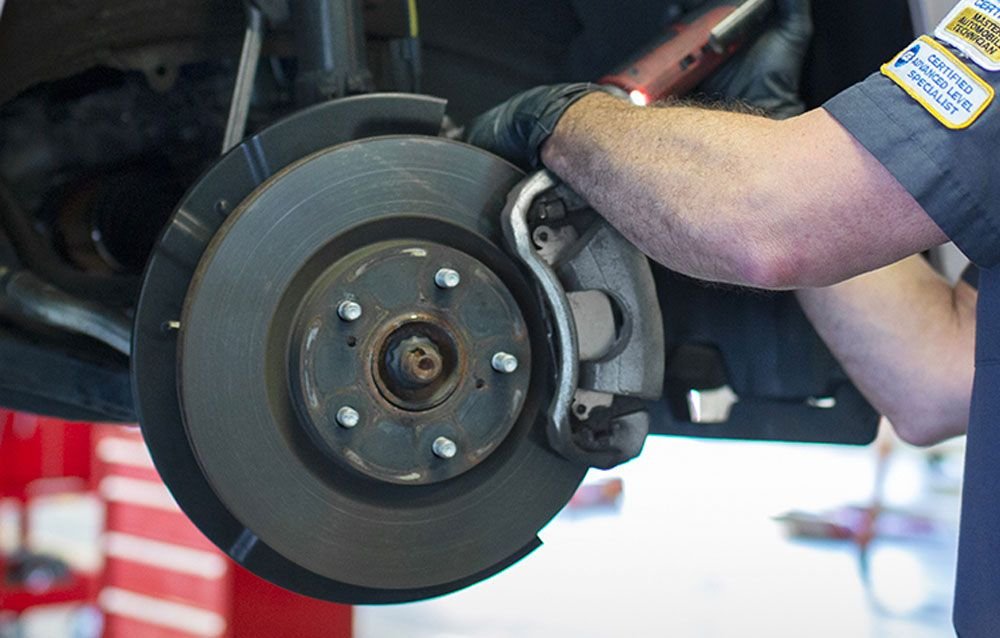
Brake pads are an essential part of a vehicle’s braking system. They are components that press against the brake rotors (or discs) to slow down or stop your car. Over time, the friction material on the brake pads wears down due to constant use, reducing braking efficiency and potentially causing damage to other parts of the braking system.
There are several types of brake pads available:
-
Organic Brake Pads: Made from materials like rubber, glass, and resin. They are quieter but wear out faster.
-
Semi-Metallic Brake Pads: Contain metal fibers for durability and better heat resistance. They provide strong braking but can be noisy.
-
Ceramic Brake Pads: Made from ceramic fibers and fillers. They are long-lasting, produce less dust, and operate quietly.
Each type has its advantages and drawbacks, and a reputable auto repair shop can guide you to the best choice for your vehicle and driving style.
Signs You Need a Brake Pad Replacement
Recognizing the early warning signs of worn-out brake pads can save you money and prevent accidents. Here are the most common indicators:
-
Squeaking or Squealing Noise
A high-pitched squeal often indicates that your brake pads are worn and need replacement. Most brake pads come with a built-in wear indicator that makes this noise when it’s time for a change. -
Grinding Sound
A grinding noise suggests that the brake pads are completely worn down, and the metal backing is making contact with the rotor. Immediate replacement is necessary to avoid rotor damage. -
Reduced Braking Performance
If your car takes longer to stop or feels less responsive, it could indicate worn pads. -
Vibration While Braking
Warped rotors or unevenly worn brake pads can cause your car to vibrate when braking. -
Indicator Light on Dashboard
Modern vehicles often have a brake warning light that signals low brake pad levels. -
Visual Inspection
You can check the thickness of the brake pads by looking through the wheel spokes. If they are less than 1/4 inch thick, it’s time to replace them.
Why You Shouldn’t Ignore Brake Pad Replacement
Neglecting brake pad replacement can lead to serious issues:
-
Damaged Rotors: Worn brake pads can cause metal-on-metal contact, damaging rotors and increasing repair costs.
-
Increased Stopping Distance: Old brake pads reduce braking efficiency, which can lead to accidents.
-
Brake System Failure: Ignoring worn pads can compromise the entire braking system, making your car unsafe.
-
Higher Repair Costs: Replacing brake pads is far cheaper than repairing damaged rotors or calipers.
Regular maintenance and timely brake pad replacement ensure your safety and save money in the long run.
How Brake Pad Replacement Works at an Auto Repair Shop
Professional auto repair shops follow a systematic process to replace brake pads safely and effectively. Here’s what typically happens:
1. Initial Inspection
The mechanic will inspect the brake pads, rotors, calipers, and other brake system components. They check for wear, damage, or signs of fluid leakage.
2. Removing the Old Brake Pads
After lifting the car and removing the wheels, the old brake pads are taken out. Mechanics also check the condition of the rotors. If the rotors are worn or warped, they may recommend resurfacing or replacement.
3. Cleaning and Preparing Components
The caliper and surrounding components are cleaned to remove dust and debris. Proper lubrication is applied to the caliper slides to ensure smooth operation.
4. Installing New Brake Pads
The new brake pads are installed, ensuring they fit properly and align with the rotor. Mechanics may also install anti-rattle clips or shims to reduce noise.
5. Reassembling and Testing
The wheels are reinstalled, and the brake system is tested for proper operation. Mechanics often perform a test drive to ensure the brakes respond correctly.
Cost of Brake Pad Replacement
The cost of brake pad replacement depends on several factors:
-
Vehicle Type: Luxury or performance cars may have higher costs due to specialized parts.
-
Brake Pad Material: Ceramic pads are more expensive than organic or semi-metallic pads.
-
Labor Costs: Labor rates vary depending on the auto repair shop.
-
Additional Services: Rotor resurfacing or replacement adds to the cost.
On average, you can expect to pay between $100 and $300 per axle for standard brake pad replacement. High-performance or luxury vehicles may cost $400 or more.
Finding the Best “Brake Pad Replacement Near Me”
Finding a reliable auto repair shop is crucial. Here’s what to look for:
1. Reputation
Check online reviews on Google, Yelp, or local directories. Look for consistent positive feedback and satisfied customers.
2. Certifications
Certified mechanics, such as those with ASE (Automotive Service Excellence) certification, ensure professional service.
3. Warranty
A good auto repair shop will offer a warranty on parts and labor. This protects you in case of premature wear or installation issues.
4. Experience
Choose a shop with experienced technicians familiar with your vehicle type. Specialized knowledge ensures proper brake pad replacement.
5. Transparent Pricing
Reliable shops provide upfront estimates and avoid hidden fees. Transparency helps you make informed decisions.
DIY Brake Pad Replacement: Pros and Cons
Some car owners attempt DIY brake pad replacement to save money. While feasible, it’s important to understand the pros and cons.
Pros
-
Cost Savings: You only pay for parts.
-
Learning Experience: Gain knowledge about your car’s braking system.
-
Convenience: You can work on your own schedule.
Cons
-
Safety Risk: Improper installation can compromise braking performance.
-
Special Tools Required: You need specific tools like a C-clamp, jack stands, and torque wrench.
-
Time-Consuming: It may take longer without professional experience.
-
No Warranty: DIY work typically doesn’t include warranties.
For most drivers, professional brake pad replacement is safer, faster, and more reliable.
Brake Maintenance Tips to Extend Pad Life
Proper maintenance can prolong the life of your brake pads and keep your car safe:
-
Drive Smoothly: Avoid aggressive braking whenever possible. Gradual stops reduce wear.
-
Keep Your Car Clean: Brake dust buildup can affect performance.
-
Regular Inspections: Check pads and rotors every 10,000 miles.
-
Monitor Brake Fluid: Low or dirty brake fluid affects braking efficiency.
-
Avoid Overloading: Heavy loads put extra stress on your brakes.
Common Myths About Brake Pads
There are many misconceptions about brake pads. Let’s clear up a few:
-
Myth 1: You Don’t Need to Replace Pads Until They’re Worn Out Completely
Waiting too long can damage rotors and calipers. Replace pads as soon as wear indicators appear. -
Myth 2: Cheaper Pads Are Just as Good
Low-cost pads may save money upfront but wear out faster and can damage other components. -
Myth 3: All Brake Pads Are the Same
Brake pads vary in material, performance, and compatibility with your vehicle. Choose the right type recommended by professionals.
Choosing the Right Auto Repair Shop for Your Needs
When searching for “Brake Pad Replacement near me,” consider these steps:
-
Get Multiple Quotes: Compare prices from different shops to ensure fair pricing.
-
Ask About Parts: Verify if the shop uses OEM (Original Equipment Manufacturer) or aftermarket parts.
-
Check Availability: Choose a shop that can perform service promptly.
-
Read Customer Feedback: Pay attention to reviews about service quality, honesty, and professionalism.
-
Visit the Shop: A clean, organized shop with friendly staff is a good sign of professionalism.
Conclusion
Brake pad replacement is a vital aspect of vehicle maintenance that ensures safety, reliability, and optimal performance. Whether you choose organic, semi-metallic, or ceramic pads, timely replacement prevents damage to other braking components and reduces the risk of accidents. By understanding the signs of worn brake pads, the replacement process, and how to select a reputable auto repair shop, you can make informed decisions that keep your car safe on the road.
Searching for “Brake Pad Replacement near me” is more than just convenience—it’s about finding skilled professionals who prioritize safety, use quality parts, and provide reliable service. Regular inspections, proper maintenance, and choosing the right shop ensure your brakes perform at their best for years to come.