
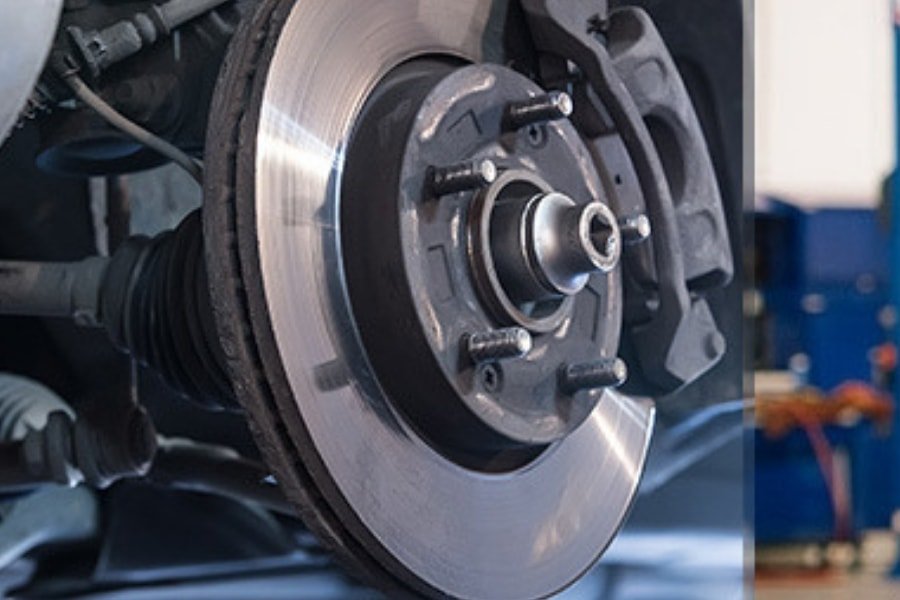
Brakes are one of the most critical components of your vehicle, directly impacting your safety on the road. Over time, brake pads wear down due to friction and need timely replacement to maintain braking efficiency. If you’ve been searching for “brake pad replacement near me” or “car fixing places near me,” understanding the process, costs, and options available is crucial. This article will guide you through everything you need to know about brake pad replacement.
Understanding Brake Pads
What Are Brake Pads?
Brake pads are a vital part of the disc braking system in vehicles. They are small, flat components made of friction material attached to a metal backing. When you press the brake pedal, the pads clamp against the brake rotors, creating friction that slows down or stops the car. The efficiency and responsiveness of your brakes rely heavily on the condition of your brake pads.
Types of Brake Pads
Brake pads come in different materials, each with unique advantages:
-
Organic Brake Pads: Made from natural fibers, resin, and rubber. They are quiet but wear faster and produce more dust.
-
Semi-Metallic Brake Pads: Contain metal fibers, offering durability and heat resistance. They are noisier but last longer.
-
Ceramic Brake Pads: Made of ceramic compounds and copper fibers. They are quiet, produce minimal dust, and provide consistent performance but tend to be more expensive.
Signs You Need Brake Pad Replacement
Recognizing worn-out brake pads early is essential to avoid damage to the rotors and ensure your safety. Common signs include:
-
Squealing or Screeching Noise: A high-pitched noise while braking often indicates worn pads.
-
Grinding Sound: A deep grinding noise suggests the pads are completely worn, and the metal backing is contacting the rotor.
-
Vibration or Pulsation: If the brake pedal vibrates, it could indicate uneven wear or warped rotors.
-
Longer Stopping Distances: Worn pads reduce braking efficiency, increasing the distance needed to stop.
-
Warning Light: Some vehicles have a brake warning light on the dashboard.
If you notice any of these signs, it’s time to search for “car fixing places near me” and get your brakes inspected.
Finding Car Fixing Places Near You
Local Repair Shops
Local auto repair shops provide personalized service and often have competitive pricing. When searching online or using map applications, look for customer reviews and ratings to ensure quality service. Some shops specialize in brake services, making them a preferred choice.
Dealerships
Authorized dealerships offer original equipment manufacturer (OEM) brake pads and expert technicians familiar with your vehicle model. While the cost might be higher, you get the assurance of genuine parts and warranty coverage.
National Chains
Large automotive chains like Firestone, Midas, or Pep Boys offer convenience and standardized service. They often provide brake inspections, replacements, and promotions that can help save money.
Mobile Mechanics
For added convenience, mobile mechanics come to your location and perform brake pad replacement on-site. This option is becoming increasingly popular for busy car owners who prefer not to wait at a shop.
Brake Pad Replacement Process
Replacing brake pads is a precise procedure that requires proper tools and knowledge. Here’s a step-by-step overview:
Step 1: Safety First
-
Ensure the vehicle is parked on a flat surface.
-
Use wheel chocks to prevent rolling.
-
Wear safety gloves and goggles.
Step 2: Lift the Vehicle
-
Use a jack to lift the car and secure it with jack stands.
-
Remove the wheels to access the brake system.
Step 3: Inspect the Brakes
-
Examine the brake pads, rotors, and calipers.
-
Measure pad thickness to determine if replacement is needed.
Step 4: Remove Old Brake Pads
-
Loosen the caliper bolts and slide the caliper off the rotor.
-
Remove the old pads and inspect the rotor for wear.
Step 5: Install New Brake Pads
-
Apply brake grease to prevent squealing.
-
Insert the new pads into the caliper bracket.
-
Reattach the caliper and ensure all bolts are properly tightened.
Step 6: Test the Brakes
-
Press the brake pedal several times to seat the pads.
-
Check for proper braking response before driving.
Costs of Brake Pad Replacement
The cost of brake pad replacement varies depending on several factors:
-
Vehicle Type: Luxury or high-performance vehicles often require more expensive pads.
-
Pad Material: Ceramic pads cost more than semi-metallic or organic pads.
-
Labor Costs: Prices differ between local shops, dealerships, and chain services.
On average:
| Brake Pad Type | Cost per Axle (Parts + Labor) |
|---|---|
| Organic | $100 – $150 |
| Semi-Metallic | $120 – $180 |
| Ceramic | $150 – $250 |
Extra repairs, such as rotor replacement, can increase the total cost.
Tips for Maintaining Brake Pads
-
Regular Inspections: Check pads every 12,000 miles or as recommended in your vehicle manual.
-
Avoid Harsh Braking: Gradual braking reduces wear and tear.
-
Clean Brake Components: Keep rotors and calipers free from debris to prevent uneven wear.
-
Use Quality Pads: Investing in high-quality pads saves money in the long run by lasting longer and providing better performance.
Benefits of Professional Brake Pad Replacement
Choosing a professional car fixing place has several advantages:
-
Safety: Proper installation ensures optimal braking performance.
-
Time-Saving: Technicians handle the job quickly and efficiently.
-
Warranty: Many shops offer warranties on parts and labor.
-
Expert Advice: Professionals can recommend the best pad type and check for additional brake system issues.
DIY vs. Professional Replacement
While DIY brake pad replacement is possible for those with mechanical skills, there are risks:
Pros of DIY:
-
Cost savings on labor.
-
Learning opportunity for car enthusiasts.
Cons of DIY:
-
Requires proper tools and knowledge.
-
Risk of improper installation leading to brake failure.
-
No warranty on work performed.
For most drivers, professional service at a trusted car fixing place is the safest and most convenient option.
Choosing the Right Brake Pad Replacement Service
When searching for “brake pad replacement near me,” consider the following:
-
Reputation: Look for reviews, ratings, and word-of-mouth recommendations.
-
Experience: Ensure the shop has skilled technicians familiar with your vehicle type.
-
Pricing Transparency: Ask for a clear quote including parts, labor, and taxes.
-
Convenience: Consider location, operating hours, and availability for appointments.
-
Warranty: Verify if the shop offers guarantees on parts and labor.
Popular Car Fixing Places Near You
Here are some typical options available nationwide:
-
Firestone Complete Auto Care – Offers brake inspections, pad replacement, and rotor services.
-
Pep Boys – Provides brake services, OEM and aftermarket parts, and maintenance packages.
-
Midas – Specializes in brake repair with certified technicians.
-
Local Independent Shops – Often provide competitive pricing and personalized service.
-
Mobile Mechanics – Convenient option for at-home brake pad replacement.
You can search online maps with terms like “brake pad replacement near me” or “car fixing places near me” to find the best local options.
When to Replace Rotors
Brake pads work in conjunction with rotors. If rotors are worn, grooved, or warped, they should be replaced or resurfaced during pad replacement. Signs you need rotor replacement include:
-
Vibrations or pulsations when braking.
-
Visible grooves or cracks on the rotor surface.
-
Excessive brake dust.
Replacing rotors with pads ensures smooth braking and prevents premature pad wear.
Emergency Brake Pad Replacement
Sometimes brake pads fail unexpectedly. If you notice:
-
Severe squealing or grinding.
-
Brake warning light on.
-
Reduced stopping power.
Don’t delay. Search for “emergency car fixing places near me” or roadside assistance to prevent accidents. Temporary solutions like reducing speed and avoiding heavy braking can help you reach a service center safely.
Brake Pad Replacement for Different Vehicles
Cars and Sedans
Most cars use disc brakes in the front and either disc or drum brakes in the rear. Standard brake pads are readily available and relatively inexpensive.
SUVs and Trucks
Larger vehicles require heavier-duty brake pads due to increased weight. Semi-metallic or ceramic pads are preferred for durability and heat resistance.
Electric and Hybrid Vehicles
EVs often use regenerative braking, which reduces pad wear. However, brake pads still need inspection and replacement periodically.
Environmental Considerations
Old brake pads and dust can impact the environment. Proper disposal of used pads and recycling of metal components is important. Many car fixing places follow environmental guidelines to reduce pollution.
Conclusion
Brake pad replacement is an essential maintenance task that ensures your safety and the longevity of your vehicle. Recognizing the signs of worn pads, understanding the types of pads, and knowing where to find reliable “car fixing places near me” can save you time, money, and stress. Whether you choose a dealership, national chain, local shop, or mobile mechanic, timely replacement and professional service are key to keeping your brakes in top condition. Regular maintenance, quality parts, and professional expertise will keep your vehicle stopping safely, every time you hit the brakes.