
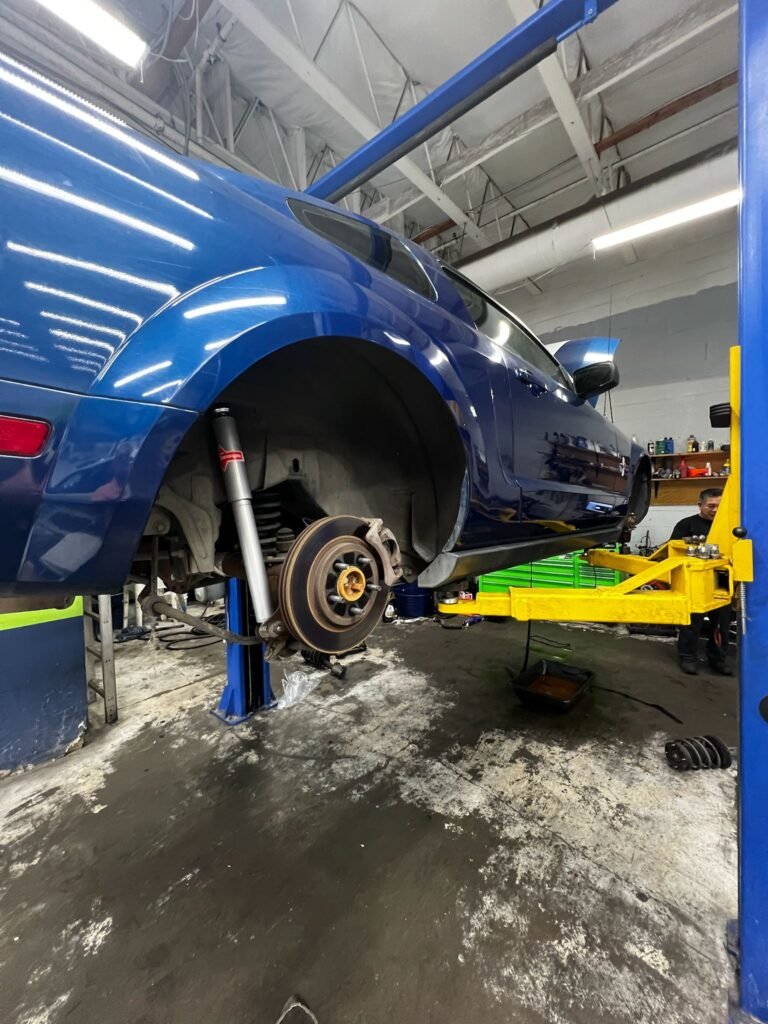
When it comes to vehicle safety, few systems are as essential as your car’s brakes. Whether you’re driving across town or taking a long highway trip, functioning brakes ensure you can stop quickly, safely, and confidently. Among the many components in your braking system, brake pads play a critical role. They provide the friction necessary to slow and stop your vehicle. Over time, however, these pads wear down and require replacement to maintain peak performance.
If you’ve been searching online for “brake pad replacement near me” or “repair car near me,” you’re already taking a vital step toward keeping your car safe, reliable, and road-ready. This detailed guide will walk you through everything you need to know about brake pad replacement — from signs of wear and the importance of timely repairs to how to choose the best local auto shop for the job.
1. Understanding the Role of Brake Pads
Brake pads are a key part of your car’s disc braking system. When you press the brake pedal, hydraulic fluid transmits pressure to the brake calipers, which squeeze the brake pads against the spinning brake rotors. This friction slows the wheel’s rotation, effectively reducing speed or bringing your vehicle to a stop.
There are several types of brake pads used in modern vehicles:
-
Semi-Metallic Brake Pads:
Durable and effective under high temperatures but can be noisy and cause faster rotor wear. -
Ceramic Brake Pads:
Known for smooth braking, minimal noise, and less brake dust. Ideal for city driving and luxury vehicles. -
Organic (Non-Asbestos Organic – NAO) Pads:
Made from natural fibers, rubber, and resins. Softer and quieter, though they wear faster and may not perform as well under extreme conditions.
Each type has its advantages depending on your driving style, vehicle type, and local climate conditions. A trusted auto repair shop near you can help determine which type best fits your needs.
2. Why Brake Pad Replacement Is Essential
Driving with worn-out brake pads is more than a mechanical issue — it’s a serious safety risk. Failing to replace your brake pads on time can lead to:
-
Longer Stopping Distances:
As pads wear thin, they lose their ability to grip the rotors effectively, resulting in delayed braking response. -
Damage to Brake Rotors:
If brake pads wear down completely, the metal backing can grind against the rotor, causing deep grooves and costly repairs. -
Reduced Brake Efficiency:
Worn pads lead to inconsistent braking performance, especially in wet or high-speed conditions. -
Noise and Vibration:
Squealing, grinding, or vibration when braking often indicates that your pads are past their prime. -
Safety Hazards:
Poor braking performance increases the risk of collisions, especially in emergency situations.
For these reasons, experts recommend having your brake system inspected at least once every 12,000 miles or during every oil change.
3. Common Signs You Need Brake Pad Replacement
Recognizing the symptoms of worn brake pads early can save you time, money, and potential danger. Here are some key warning signs to watch for:
a. Squealing or Screeching Sounds
Most brake pads are equipped with small metal indicators that emit a high-pitched squeal when the pads become thin. This sound is a built-in reminder that it’s time for replacement.
b. Grinding Noise
If you hear grinding, the brake pads may have worn down completely, allowing metal-to-metal contact with the rotors — a situation that requires immediate attention.
c. Vibration or Pulsation
If your brake pedal vibrates when pressed, it may indicate warped rotors or unevenly worn pads.
d. Longer Braking Distances
If your car takes longer to stop, that’s a clear indicator that the brake pads aren’t functioning effectively.
e. Brake Warning Light
Many vehicles are equipped with sensors that trigger a dashboard warning light when pads need replacement.
f. Pulling to One Side
If your car pulls to one side when braking, it might mean that one set of pads is more worn than the other or that a caliper is sticking.
If you experience any of these issues, don’t delay. Search for “brake pad replacement near me” and schedule a visit with a trusted auto repair shop near you immediately.
4. How Often Should You Replace Brake Pads?
The lifespan of brake pads depends on several factors:
-
Driving Habits: Frequent braking in city traffic wears pads faster than highway driving.
-
Type of Vehicle: Larger or heavier vehicles (like SUVs and trucks) put more strain on brake components.
-
Quality of Brake Pads: Premium ceramic or semi-metallic pads tend to last longer.
-
Environmental Conditions: Dust, dirt, humidity, and road salt can accelerate wear.
On average, most brake pads last between 25,000 and 70,000 miles. However, this range varies, so it’s best to follow your vehicle’s maintenance schedule and have regular inspections.
5. The Brake Pad Replacement Process Explained
If you’re curious about what happens during a brake pad replacement service near you, here’s a step-by-step overview:
Step 1: Initial Inspection
A certified mechanic will inspect the brake system, measuring pad thickness, checking rotor condition, and examining brake fluid.
Step 2: Removing the Wheels
The technician removes the wheels to access the calipers and brake assemblies.
Step 3: Removing Old Brake Pads
The calipers are loosened, and worn brake pads are carefully removed.
Step 4: Rotor Inspection or Resurfacing
The rotors are checked for grooves, warping, or uneven wear. If necessary, they may be resurfaced or replaced.
Step 5: Installing New Brake Pads
Fresh brake pads are installed, and any anti-squeal lubricant or shims are applied to reduce noise.
Step 6: Reassembly and Brake Fluid Check
The calipers are reassembled, wheels replaced, and brake fluid levels inspected.
Step 7: Test Drive
Finally, the mechanic performs a short test drive to ensure the brakes are functioning properly and the pedal feel is correct.
6. Average Cost of Brake Pad Replacement Near You
The cost of brake pad replacement varies depending on several factors:
| Vehicle Type | Average Cost (Per Axle) |
|---|---|
| Small Cars | $150 – $250 |
| SUVs & Trucks | $250 – $400 |
| Luxury Vehicles | $350 – $600 |
Prices may also vary depending on whether you choose OEM (Original Equipment Manufacturer) or aftermarket brake pads. OEM parts are typically more expensive but offer guaranteed compatibility.
Additional Costs May Include:
-
Rotor resurfacing or replacement
-
Brake fluid flush
-
Caliper service or replacement
-
Labor charges (which can vary by location)
Many auto repair shops near you offer free brake inspections and discounts on complete brake service packages, especially when booked online.
7. Choosing the Best Auto Repair Shop Near You
When searching for “repair car near me” or “brake pad replacement near me,” it’s important to select a reliable service provider. Here are some tips to help you choose the right one:
a. Check Certifications
Look for shops with ASE (Automotive Service Excellence) certified technicians. This ensures they are trained and qualified to handle brake systems properly.
b. Read Customer Reviews
Online reviews on Google, Yelp, and local directories can reveal the reputation and reliability of nearby shops.
c. Ask About Warranties
A good shop stands behind its work. Ask whether parts and labor are covered under warranty.
d. Compare Estimates
Request written estimates from multiple shops. The cheapest option isn’t always the best — focus on quality, transparency, and trustworthiness.
e. Look for Full-Service Repair Shops
Shops that offer full car repair services can inspect your entire braking system, including rotors, calipers, and brake fluid, providing a complete solution rather than a quick fix.
8. DIY vs. Professional Brake Pad Replacement
Some car owners with mechanical knowledge may consider replacing brake pads themselves. While DIY can save money, it’s not always recommended, especially for modern vehicles with complex braking systems.
DIY Pros:
-
Cost savings on labor
-
Learning experience
DIY Cons:
-
Requires tools and expertise
-
Mistakes can lead to brake failure
-
May void warranties
-
No professional inspection of related components
In most cases, professional brake service ensures safety, reliability, and proper performance — giving you peace of mind on the road.
9. How to Extend the Life of Your Brake Pads
Proper driving habits and regular maintenance can help extend the life of your brake pads. Here are some expert tips:
-
Avoid Hard Braking: Gradual stops reduce frictional wear.
-
Maintain Safe Following Distance: Prevents unnecessary sudden stops.
-
Keep Your Vehicle Light: Excess weight strains the braking system.
-
Use Engine Braking: On downhill slopes, downshift instead of relying solely on brakes.
-
Regular Inspections: Have your brakes checked every 6 months or 12,000 miles.
-
Change Brake Fluid: Fresh brake fluid ensures optimal hydraulic performance.
By adopting these habits, you’ll not only save money but also keep your vehicle safer.
10. The Importance of Regular Brake System Inspections
Brake pad replacement is just one part of overall brake maintenance. During routine inspections, mechanics also check:
-
Brake fluid condition
-
Rotor thickness
-
Caliper operation
-
Brake line integrity
-
ABS (Anti-lock Braking System) sensors
A comprehensive brake system inspection ensures that all components work together efficiently and prevents minor issues from escalating into costly repairs.
11. Why Choose a Local Auto Repair Shop Near You
Searching for “brake pad replacement near me” connects you to local experts who understand the driving conditions and vehicle needs in your area. Local auto shops offer several advantages:
-
Personalized Service: Local technicians often build lasting relationships with customers.
-
Faster Appointments: Proximity means you can get same-day or next-day service.
-
Community Trust: Local shops rely on reputation, so they’re motivated to provide quality work.
-
Competitive Pricing: Smaller shops often offer lower rates than dealership service centers.
Supporting a local repair car shop near you also strengthens your community’s economy and provides you with a go-to solution for future vehicle needs.
12. The Environmental Impact of Worn Brake Pads
Few drivers realize that neglected brake pads can harm the environment. When pads wear excessively, they release fine particles — including metals and carbon — into the air and water. Choosing eco-friendly or ceramic brake pads helps reduce dust and pollutants.
Additionally, regular maintenance reduces fuel consumption, as inefficient brakes force the engine to work harder, contributing to unnecessary emissions.
13. Brake Pad Replacement and Vehicle Safety Inspections
In many states, vehicle safety inspections include checking brake components. If your brake pads are too thin, you could fail inspection. Staying proactive with maintenance ensures your car remains compliant and safe for everyday driving.
Having a record of timely brake pad replacement can also increase your vehicle’s resale value, demonstrating that it has been well cared for.
14. Emergency Situations and Brake Failure Warning
In the unlikely event that your brakes start failing while driving, remember these steps:
-
Stay Calm – Avoid panic and keep control of the vehicle.
-
Pump the Brakes – This can restore some hydraulic pressure.
-
Use the Emergency Brake – Apply gradually to avoid locking up the wheels.
-
Shift to a Lower Gear – This slows the car naturally.
-
Move to a Safe Area – Pull over and call for roadside assistance.
These steps can help you safely handle a brake malfunction and emphasize why regular brake maintenance is so important.
15. How to Find the Best Brake Pad Replacement Near You
Here’s how to quickly locate a trusted service center nearby:
-
Google Search: Type “Brake Pad Replacement Near Me” or “Repair Car Near Me.”
-
Use Maps: Google Maps and Apple Maps show ratings, distance, and service hours.
-
Auto Repair Directories: Platforms like RepairPal, Yelp, and AAA Approved Auto Repair list certified mechanics.
-
Ask for Recommendations: Friends and family often know reliable local mechanics.
-
Check for Mobile Mechanics: Some professionals offer on-site brake pad replacement at your home or office for added convenience.
16. The Future of Brake Pad Technology
Modern brake pads continue to evolve with technology. Advances include:
-
Low-Copper and Copper-Free Formulas: Environmentally friendly materials reducing pollution.
-
Smart Sensors: Some new models come with wear sensors that send alerts directly to your car’s dashboard or app.
-
Enhanced Ceramic Compounds: Provide quieter braking and longer life.
-
Regenerative Braking Systems: Found in electric and hybrid cars, these reduce wear by converting kinetic energy into battery power.
Keeping up with these innovations ensures your vehicle remains safe, efficient, and eco-friendly.
17. Frequently Asked Questions (FAQ)
Q1. How do I know if I need new brake pads?
Listen for squealing noises, feel for vibrations, and check if your car takes longer to stop.
Q2. How long does brake pad replacement take?
Most replacements take 45 minutes to 1.5 hours per axle.
Q3. Can I replace brake pads on just one side?
No — always replace brake pads in pairs (front or rear) for balanced performance.
Q4. Is it safe to drive with worn brake pads?
No. Worn pads compromise safety, increase stopping distances, and can damage rotors.
Q5. How much does it cost?
Typically between $150 and $400 per axle, depending on the vehicle and pad material.
18. Conclusion
Your vehicle’s brakes are not something to overlook. Whether you drive a compact car, SUV, or high-performance vehicle, timely brake pad replacement is essential for safety, performance, and peace of mind. Ignoring the signs of wear can lead to expensive repairs or dangerous driving conditions.
If you’re noticing squeaks, grinding sounds, or reduced braking power, don’t wait. Search online for “brake pad replacement near me” or “repair car near me” and schedule a professional inspection. A skilled mechanic can assess your braking system, recommend the best pads for your vehicle, and ensure everything operates smoothly.
By maintaining your brakes regularly, you’ll not only extend your car’s lifespan but also ensure every drive is smooth, safe, and stress-free. Remember, your safety starts with your brakes — and finding the right auto repair shop near you makes all the difference.