
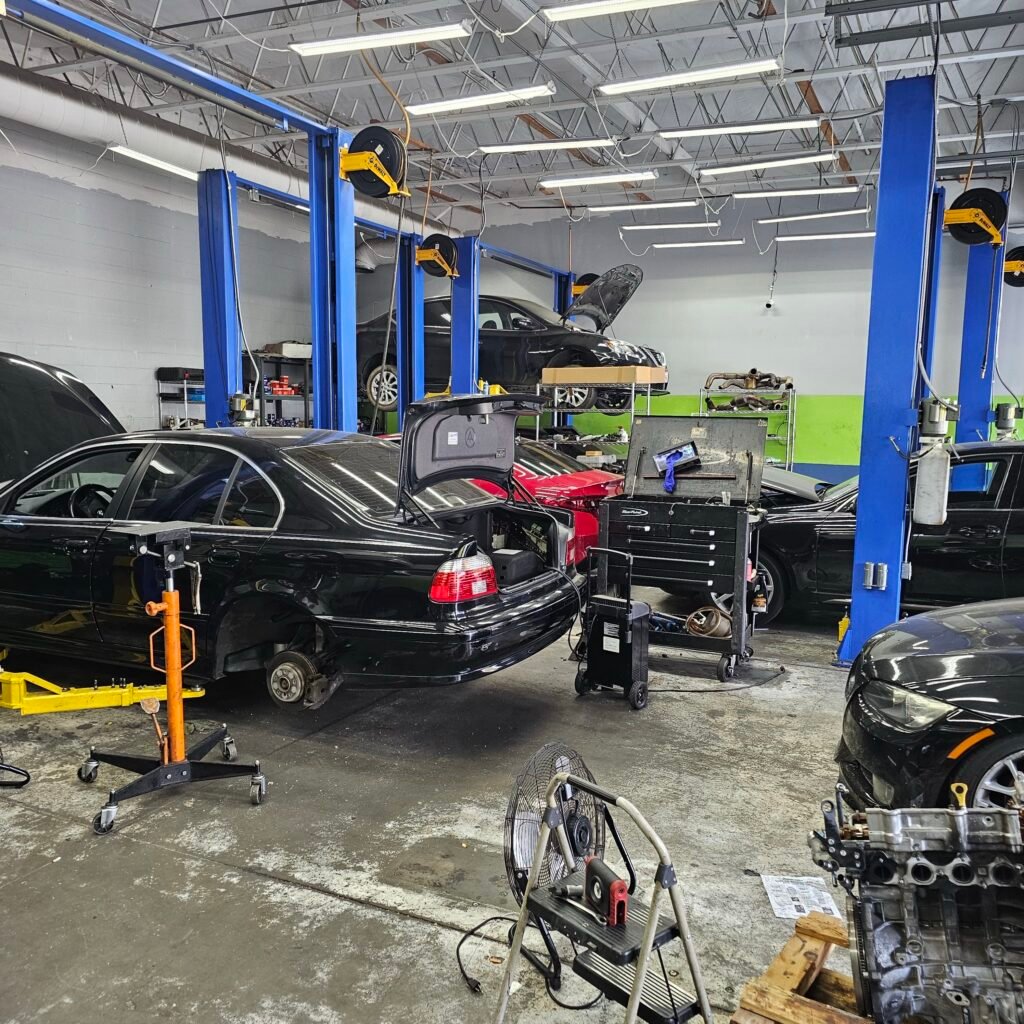
Brakes are one of the most important safety systems in any vehicle. When you search “brake pads and rotors mechanic near me,” you’re usually dealing with one of the most common auto repair needs drivers face. Whether you hear squeaking, feel vibration, or notice longer stopping distances, your brake system is sending warning signs that should never be ignored.
This in-depth guide explains everything you need to know about brake pads and rotors, how they work, symptoms of wear, repair costs, and how to choose the right mechanic near you. By the end, you’ll be able to make informed decisions about your vehicle’s braking system and avoid unnecessary expenses or unsafe driving conditions.
1. Understanding Brake Pads and Rotors
To understand brake repair, you first need to know what brake pads and rotors actually do.
Brake Pads
Brake pads are friction materials attached to metal backing plates. When you press the brake pedal, hydraulic pressure forces the pads against the rotors, creating friction that slows your vehicle.
Brake pads are designed to wear down over time. They are considered a “consumable” part of your braking system.
Brake Rotors (Brake Discs)
Rotors are metal discs connected to each wheel hub. When brake pads clamp onto them, the friction slows the wheel rotation.
Rotors must remain smooth and evenly surfaced. If they become warped, grooved, or excessively worn, braking performance decreases significantly.
How They Work Together
The process is simple but powerful:
- You press the brake pedal
- Brake fluid transfers force to the calipers
- Calipers squeeze brake pads
- Pads press against rotors
- Friction slows the wheels
This system converts kinetic energy (motion) into heat energy, bringing your car to a controlled stop.
2. Why Brake Pads and Rotors Wear Out
Brake components are designed to handle extreme heat and friction, but they do not last forever.
Common Causes of Wear:
- Daily stop-and-go driving
- Hard braking habits
- Driving in hilly or mountainous areas
- Heavy loads or towing
- Low-quality brake components
- Delayed maintenance
Over time, brake pads thin out and rotors lose smoothness. Ignoring wear can lead to costly repairs or unsafe driving conditions.
3. Warning Signs You Need Brake Service
When searching for a “brake mechanic near me,” you’re usually noticing one or more symptoms. Here are the most common warning signs:
1. Squeaking or Squealing Noise
High-pitched noises often indicate worn brake pads. Many pads have built-in wear indicators that produce sound when replacement is needed.
2. Grinding Sound
A grinding noise usually means the brake pads are completely worn out and metal is contacting the rotor. This is urgent and can damage rotors quickly.
3. Vibrations While Braking
If your steering wheel or brake pedal shakes when stopping, your rotors may be warped or uneven.
4. Longer Stopping Distance
If your car takes longer to stop than usual, your braking system is losing efficiency.
5. Brake Warning Light
Modern vehicles may display a dashboard warning when brake pads are low or there is a hydraulic issue.
6. Pulling to One Side
Uneven brake wear or caliper issues can cause the car to pull left or right when braking.
4. Brake Pads vs Rotors: What Gets Replaced?
Not every brake job is the same. A good mechanic near you will inspect both pads and rotors before recommending service.
Brake Pad Replacement Only
- Pads are worn but rotors are still smooth
- Most common and affordable repair
- Faster service time
Rotor Resurfacing
- Rotors have minor grooves or uneven wear
- Machining restores smooth surface
- Only possible if rotors are thick enough
Full Brake Replacement (Pads + Rotors)
- Deep grooves, warping, or heavy wear
- Most reliable long-term solution
- Slightly higher cost but better performance
5. How Long Do Brake Pads and Rotors Last?
Lifespan depends on driving habits and conditions.
Brake Pads:
- Typically 25,000 to 70,000 miles
- City driving wears them faster
- Highway driving extends life
Brake Rotors:
- Typically 50,000 to 100,000+ miles
- Can last through multiple pad replacements
Aggressive driving or heavy braking will significantly shorten lifespan.
6. What Happens If You Ignore Brake Problems?
Delaying brake repair can lead to serious consequences:
- Damage to rotors (increasing repair costs)
- Caliper damage
- Reduced braking power
- Increased accident risk
- Complete brake failure in extreme cases
What starts as a simple pad replacement can quickly turn into a full brake system overhaul if ignored.
7. Brake Repair Costs: What to Expect
When searching “brake pads and rotors mechanic near me,” cost is often a major concern.
Average Pricing (Per Axle):
- Brake pad replacement: $150 – $350
- Pads + rotors: $300 – $800
- High-performance vehicles: $800 – $1,500+
Factors That Affect Cost:
- Vehicle make and model
- Quality of parts (OEM vs aftermarket)
- Labor rates in your area
- Additional repairs (calipers, fluid, sensors)
Luxury and performance vehicles generally cost more due to specialized parts.
8. Choosing the Right “Brake Mechanic Near Me”
Finding a trustworthy mechanic is just as important as the repair itself. Here’s what to look for:
1. Certification and Experience
Look for ASE-certified technicians or shops specializing in brake systems.
2. Transparent Pricing
A reputable shop provides upfront estimates and explains all charges clearly.
3. Brake Inspection Included
Good mechanics offer free or low-cost brake inspections before recommending repairs.
4. Quality Parts
Ask whether they use OEM (original equipment manufacturer) or high-quality aftermarket parts.
5. Warranty on Work
Reliable shops often offer warranties on brake pads and labor.
6. Customer Reviews
Online reviews help identify trustworthy local mechanics with consistent service quality.
9. DIY vs Professional Brake Repair
Some drivers consider replacing brake pads themselves. While it’s possible, it’s not always recommended.
DIY Pros:
- Lower cost
- Learning experience
- Control over parts used
DIY Cons:
- Requires proper tools and knowledge
- Safety risks if installed incorrectly
- No professional warranty
- Rotors/calipers may still need inspection
For most drivers, especially those unfamiliar with braking systems, professional service is safer and more reliable.
10. Types of Brake Pads
Different brake pads offer different performance levels.
1. Organic Brake Pads
- Quiet operation
- Affordable
- Wear faster
- Common in everyday vehicles
2. Semi-Metallic Pads
- Durable and heat-resistant
- Good performance
- Slightly noisier
- Most popular option
3. Ceramic Brake Pads
- Long lifespan
- Quiet and clean
- Higher cost
- Excellent for daily driving
Choosing the right pad depends on driving habits and budget.
11. Rotor Types and Differences
Not all rotors are the same either.
Solid Rotors
- Standard design
- Used in rear wheels of many cars
Ventilated Rotors
- Better heat dissipation
- Common in front brakes
Drilled or Slotted Rotors
- Performance-oriented
- Better cooling and water dispersion
- Often used in sports vehicles
12. Brake Maintenance Tips
Proper maintenance extends the life of your brake system:
- Avoid hard braking when possible
- Keep brake fluid clean and full
- Get regular inspections
- Replace pads before they wear completely
- Pay attention to early warning signs
Preventive maintenance is far cheaper than emergency repairs.
13. What Happens During a Brake Service Appointment?
When you visit a mechanic near you for brake repair, here’s what typically happens:
- Vehicle inspection
- Wheel removal
- Brake pad measurement
- Rotor inspection
- Caliper check
- Brake fluid evaluation
- Replacement or resurfacing if needed
- Test drive
A good shop will also show you worn parts so you understand why replacement is needed.
14. Mobile Brake Mechanics vs Auto Shops
Today, many drivers have two options:
Traditional Auto Repair Shop
- Full equipment
- Faster for complex repairs
- Ideal for rotor machining
Mobile Brake Mechanic
- Comes to your home or workplace
- Convenient
- Best for simple pad replacements
For major brake issues, a physical shop is usually preferred.
15. Seasonal Impact on Brake Wear
Weather conditions can affect braking systems:
- Hot climates: increased rotor heat stress
- Cold weather: reduced initial braking performance
- Rain: longer stopping distances due to wet surfaces
- Mountain driving: faster wear from constant braking
Drivers in areas with heavy traffic or heat often need more frequent brake service.
16. Common Brake Myths
Myth 1: “Brake pads always last 100,000 miles”
False. Most wear out long before that.
Myth 2: “Grinding noise is normal”
No—this usually means serious damage is happening.
Myth 3: “Rotors never need replacement”
Incorrect. Rotors wear down and eventually must be replaced.
17. Signs of a Quality Brake Repair Shop Near You
A reliable mechanic will:
- Explain the problem clearly
- Provide visual evidence of wear
- Offer multiple repair options
- Use quality parts
- Perform a road test after repair
Avoid shops that pressure you without inspection or refuse to show worn components.
18. How to Extend Brake Life
Simple habits can make a big difference:
- Coast before stopping
- Keep distance from other vehicles
- Avoid riding the brake pedal
- Light, gradual braking
- Regular maintenance checks
Good driving habits can add thousands of miles to your brake components.
Conclusion
Brake pads and rotors are essential to your vehicle’s safety, and understanding how they work helps you make smarter repair decisions. If you notice squeaking, grinding, vibration, or longer stopping distances, it’s time to search for a “brake pads and rotors mechanic near me” and get your vehicle inspected immediately.
Choosing a trustworthy mechanic ensures not only fair pricing but also safe, reliable braking performance. Whether you need simple pad replacement or full rotor service, timely maintenance protects both your vehicle and everyone on the road.
Safe driving always starts with strong brakes—and strong brakes start with proper care and the right mechanic.