
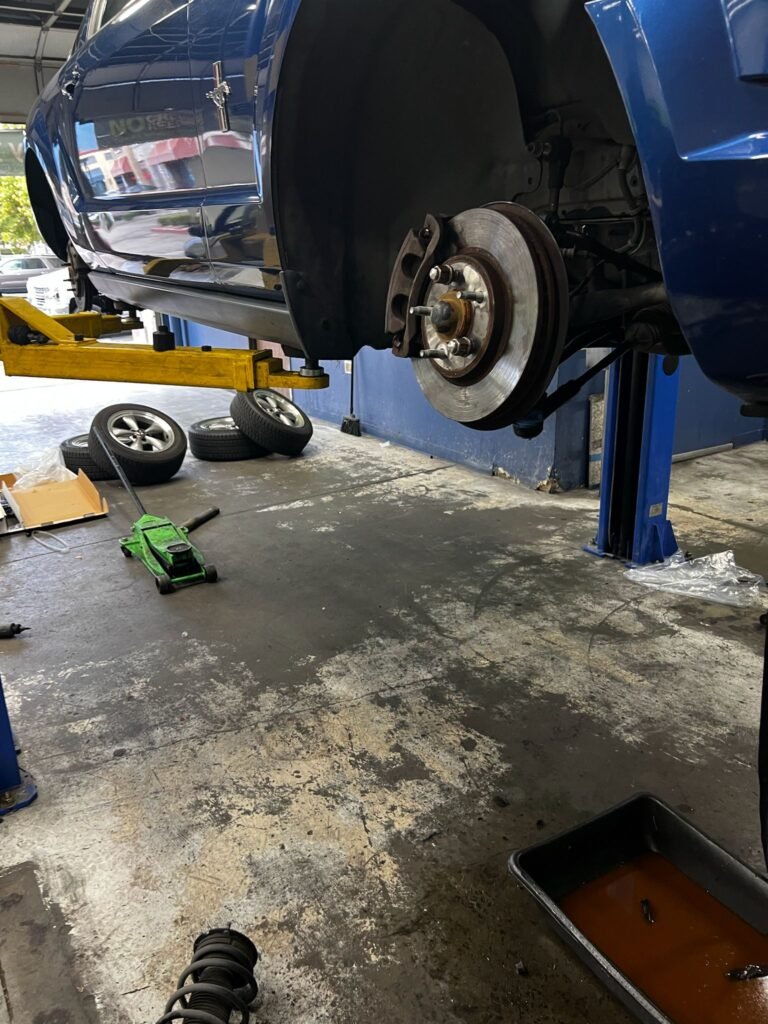
When it comes to vehicle safety, your brakes are one of the most critical systems. Whether you drive a compact sedan, a powerful SUV, or a workhorse truck, reliable brakes are non-negotiable. If you’re searching for “brake repair near me” or “auto repair near me,” you’re not alone—millions of drivers every year seek trustworthy, local mechanics to keep their vehicles in top shape. This comprehensive guide covers everything you need to know about brake repair, how to find the best auto repair shops near you, warning signs to watch out for, and tips for maintaining your brakes for maximum safety and performance.
Why Brake Repair Matters
Your car’s braking system is designed to keep you, your passengers, and everyone else on the road safe. Well-functioning brakes provide:
- Shorter stopping distances
- Improved control in emergencies
- Reduced risk of accidents
- Peace of mind during daily driving
Ignoring brake issues can lead to costly repairs, reduced vehicle performance, and, most importantly, increased risk of collisions.
Common Signs You Need Brake Repair
Recognizing when your brakes need attention is crucial. Here are the most common warning signs:
- Squeaking or Squealing Noises: High-pitched noises often indicate worn brake pads.
- Grinding Sounds: Grinding usually means the brake pads are worn down completely, and metal is contacting metal.
- Vibrations When Braking: Warped rotors can cause your steering wheel or brake pedal to vibrate.
- Longer Stopping Distances: If your car takes longer to stop, it’s a clear sign your brakes need inspection.
- Soft or Spongy Brake Pedal: Air in the brake lines or low brake fluid can cause this issue.
- Dashboard Warning Lights: Modern vehicles have sensors that trigger a warning light if there’s a brake issue.
- Pulling to One Side: Uneven wear or a stuck caliper can cause your car to pull left or right when braking.
If you notice any of these symptoms, search for “brake repair near me” and schedule an inspection as soon as possible.
Types of Brake Repairs
Brake systems are complex and involve several components. Here are the most common brake repair services:
1. Brake Pad Replacement
Brake pads wear out over time and need regular replacement. Most pads last between 25,000 to 70,000 miles, depending on driving habits and conditions.
2. Rotor Resurfacing or Replacement
Rotors can become warped or scored. Sometimes, resurfacing (machining) can restore them; other times, replacement is necessary.
3. Brake Fluid Flush
Brake fluid absorbs moisture and contaminants, reducing its effectiveness. A brake fluid flush is recommended every 2-3 years.
4. Caliper Repair or Replacement
Calipers squeeze the brake pads against the rotors. If they stick or leak, they may need repair or replacement.
5. Brake Line Inspection and Repair
Brake lines can rust, leak, or become damaged. Regular inspection ensures no fluid leaks or pressure loss.
How to Find the Best Brake Repair Near Me
With so many auto repair shops, choosing the right one can be overwhelming. Here’s how to narrow down your options:
1. Search Online
Use search engines or map apps to look up “brake repair near me” or “auto repair near me.” Review the results for shops with high ratings and positive feedback.
2. Read Reviews
Check Google, Yelp, and Facebook for customer reviews. Look for consistent praise regarding professionalism, honesty, and quality of work.
3. Check Certifications
Reputable shops often have ASE (Automotive Service Excellence) certified technicians. This certification ensures technicians are trained and knowledgeable.
4. Ask About Warranties
Shops that offer warranties on parts and labor stand behind their work. Ask about warranty details before agreeing to repairs.
5. Compare Estimates
Get written estimates from a few shops. Beware of prices that are significantly lower than others—they may cut corners or use inferior parts.
6. Visit the Shop
A quick visit can tell you a lot. Clean, organized shops with friendly staff often reflect professionalism and attention to detail.
What to Expect During a Brake Repair
Here’s how a typical brake repair process works:
- Inspection: The technician inspects your brake system, including pads, rotors, calipers, lines, and fluid.
- Diagnosis: You’ll receive a diagnosis and a detailed estimate for recommended repairs.
- Repair: Once approved, the technician performs repairs—this may include replacing pads, resurfacing rotors, flushing fluid, or fixing lines.
- Test Drive: After repairs, the technician test-drives your car to ensure everything works correctly.
- Final Check: You’ll get a summary of the work performed and any maintenance tips.
Brake Repair Costs: What to Expect
Brake repair costs vary based on your vehicle, the extent of the damage, and your location. Here’s a general breakdown:
- Brake Pad Replacement: $100–$300 per axle
- Rotor Resurfacing: $40–$80 per rotor
- Rotor Replacement: $200–$400 per axle
- Brake Fluid Flush: $70–$120
- Caliper Replacement: $300–$800 each
Luxury vehicles, performance cars, or trucks may have higher costs due to specialized parts.
DIY Brake Repair: Is It Safe?
Some car enthusiasts tackle brake repairs at home. While replacing brake pads or fluid is possible for experienced DIYers, brakes are a critical safety system. Mistakes can have severe consequences. If you’re not confident, it’s best to search for “brake repair near me” and trust a professional.
How Often Should You Get Your Brakes Checked?
- Every 10,000–15,000 miles: Have your brakes inspected during routine maintenance.
- Before long trips: Always check brakes before road trips.
- At the first sign of trouble: Don’t wait if you notice warning signs—schedule an inspection immediately.
Benefits of Regular Brake Maintenance
- Safety: Well-maintained brakes reduce stopping distances and prevent accidents.
- Cost Savings: Early detection of issues prevents more expensive repairs.
- Longevity: Regular maintenance extends the life of your brake system.
Frequently Asked Questions About Brake Repair
How do I know if my brakes need to be replaced?
Listen for squealing, grinding, or feel for vibrations. Regular inspections by a professional are the best way to know for sure.
Can I drive with worn brakes?
Driving with worn brakes is dangerous. Your stopping distance increases, and you risk total brake failure.
How long does a brake repair take?
Most brake repairs can be completed in 1–2 hours, but complex repairs may take longer.
Are aftermarket brake parts safe?
Quality aftermarket parts from reputable brands are safe. Always ask your mechanic about the parts they use.
Choosing Between Local Shops and National Chains
Both local shops and national chains offer brake repair services. Local shops often provide personalized service and competitive pricing, while national chains may have more standardized processes and nationwide warranties. Read reviews and consider your priorities when choosing.
How to Prepare for Your Brake Repair Appointment
- Describe Symptoms Clearly: Tell your mechanic exactly what you’re experiencing.
- Bring Maintenance Records: Previous brake work history helps with diagnosis.
- Ask Questions: Don’t hesitate to ask about the repair process, parts, and costs.
Brake Repair and Your Vehicle’s Warranty
If your vehicle is under warranty, check if brake repairs are covered. Some warranties include brake pads and rotors, especially for newer vehicles. Always use authorized repair shops to avoid voiding your warranty.
Environmental Impact of Brake Repairs
Modern brakes use materials that are less harmful to the environment. Ask your shop about eco-friendly options, such as low-copper or ceramic brake pads.
Other Auto Repair Services You May Need
Brake issues often reveal other problems. When searching for “auto repair near me,” consider a shop that offers:
- Oil Changes
- Tire Rotations and Replacements
- Engine Diagnostics
- Suspension and Steering Repairs
- Battery Replacement
A one-stop shop saves time and ensures your car gets comprehensive care.
Tips for Extending the Life of Your Brakes
- Avoid Hard Braking: Slow down gradually instead of slamming on the brakes.
- Lighten Your Load: Carrying less weight reduces brake wear.
- Use Engine Braking: Downshift on hills to reduce brake usage.
- Maintain Tires: Properly inflated and aligned tires help brakes work efficiently.
- Regular Inspections: Catch issues early before they become expensive problems.
The Future of Brake Technology
Advancements in automotive technology are making brakes safer and more efficient. Features like anti-lock braking systems (ABS), electronic brake-force distribution, and regenerative braking in electric vehicles are becoming standard. Staying informed about your vehicle’s technology helps you make better maintenance decisions.
Conclusion
Your brakes are your car’s most important safety feature. Whether you’re hearing strange noises, feeling vibrations