
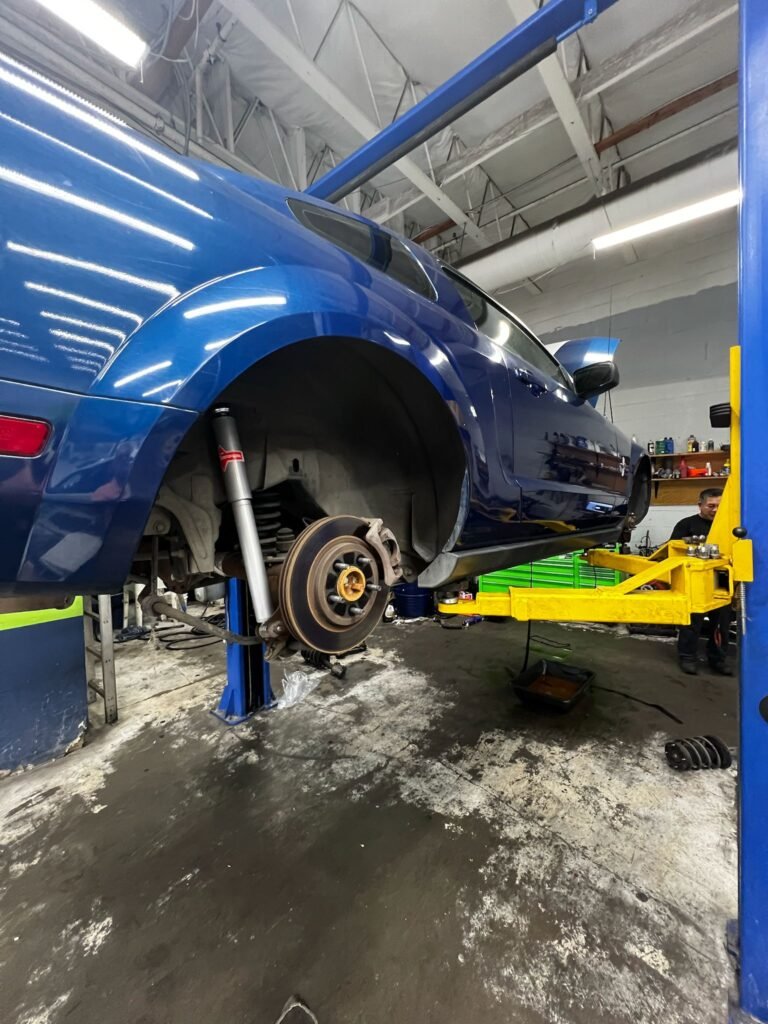
When it comes to vehicle safety, few systems are as crucial as your brakes. Whether you’re driving to work, taking a road trip, or simply running errands around town, properly functioning brakes are essential for your peace of mind and the safety of everyone on the road. If you’ve ever found yourself searching for “brake repair near me,” you’re not alone. Brake issues are among the most common reasons drivers visit auto repair shops. In this article, we’ll explore everything you need to know about brake repair, from recognizing warning signs to choosing the right auto repair shop.
Table of Contents
- Why Brake Repair Is Important
- Common Signs Your Brakes Need Attention
- Types of Brake Services Offered by Auto Repair Shops
- The Brake Repair Process: What to Expect
- How to Find the Best Brake Repair Near You
- Questions to Ask Your Auto Repair Shop
- DIY vs. Professional Brake Repair
- Cost of Brake Repair: What Influences the Price?
- Tips for Extending the Life of Your Brakes
- Conclusion
1. Why Brake Repair Is Important
Your vehicle’s brakes are its most critical safety feature. They allow you to slow down, stop, and avoid collisions. Over time, brake components like pads, rotors, and calipers wear out due to friction and heat. Neglecting brake maintenance can lead to longer stopping distances, brake failure, and even accidents. Regular inspections and timely repairs ensure your brakes work efficiently, keeping you and others safe on the road.
2. Common Signs Your Brakes Need Attention
Recognizing the early warning signs of brake trouble can save you money and prevent dangerous situations. Here are some of the most common symptoms that indicate your brakes may need servicing:
- Squeaking or Squealing Noises: High-pitched sounds when braking often mean your brake pads are worn.
- Grinding Noise: A grinding sound usually signals that the brake pads are completely worn down, causing metal-to-metal contact.
- Vibration or Pulsation: If the brake pedal or steering wheel vibrates when you brake, your rotors may be warped.
- Soft or Spongy Pedal: A brake pedal that feels soft or sinks to the floor could indicate air in the brake lines or a fluid leak.
- Warning Lights: Many modern vehicles have dashboard warning lights for brake system issues.
- Pulling to One Side: If your car pulls to one side when braking, it could be a sign of uneven brake pad wear or a stuck caliper.
- Burning Smell: A sharp, chemical odor after hard braking may mean your brakes are overheating.
If you notice any of these signs, it’s important to seek professional brake repair immediately.
3. Types of Brake Services Offered by Auto Repair Shops
Auto repair shops provide a range of brake services to address different issues. Here are the most common types:
- Brake Inspection: A thorough check of all brake components to assess their condition.
- Brake Pad Replacement: Installing new brake pads to restore stopping power and prevent rotor damage.
- Rotor Resurfacing or Replacement: Rotors are either machined to remove imperfections or replaced if too worn.
- Brake Fluid Flush: Old brake fluid is replaced to maintain hydraulic pressure and prevent corrosion.
- Caliper Service: Calipers may be cleaned, lubricated, or replaced if they’re sticking or leaking.
- Brake Line Repair: Damaged brake lines are repaired or replaced to prevent leaks.
- ABS Diagnosis and Repair: Anti-lock braking systems are checked for faults and repaired as needed.
4. The Brake Repair Process: What to Expect
When you bring your vehicle to an auto repair shop for brake service, here’s what typically happens:
- Initial Inspection: The technician will ask about your concerns and perform a visual and hands-on inspection.
- Diagnosis: Using specialized tools, they’ll measure pad thickness, rotor condition, and check for leaks or damage.
- Estimate: You’ll receive a detailed estimate outlining recommended repairs and costs.
- Repair: Once approved, the technician will perform the necessary repairs, using quality parts and following manufacturer guidelines.
- Test Drive: The technician will test drive your car to ensure the brakes are functioning properly.
- Final Check: You’ll receive a summary of the work performed and any recommendations for future maintenance.
5. How to Find the Best Brake Repair Near You
Finding a trustworthy auto repair shop is essential for quality brake service. Here are some tips for locating the best “brake repair near me”:
- Check Online Reviews: Websites like Google, Yelp, and Facebook provide customer feedback on local shops.
- Ask for Recommendations: Friends, family, and coworkers can share their experiences with local mechanics.
- Verify Certifications: Look for shops with ASE-certified technicians, indicating professional training and expertise.
- Compare Prices: Get quotes from multiple shops to ensure fair pricing.
- Visit the Shop: A clean, organized facility with friendly staff is a good sign of professionalism.
6. Questions to Ask Your Auto Repair Shop
Before authorizing brake repairs, ask these important questions:
- What’s the exact problem with my brakes?
- What parts will you use—OEM or aftermarket?
- How long will the repair take?
- Is there a warranty on parts and labor?
- Can you show me the worn or damaged parts?
- Are there any additional services you recommend?
7. DIY vs. Professional Brake Repair
While some car owners are comfortable performing basic brake maintenance, most brake repairs are best left to professionals. Modern braking systems are complex, and improper repairs can compromise safety. Professional technicians have the tools, training, and experience to diagnose and fix brake issues correctly, ensuring your vehicle is safe to drive.
8. Cost of Brake Repair: What Influences the Price?
Brake repair costs can vary widely depending on:
- Type of Vehicle: Luxury or performance cars may require specialized parts.
- Extent of Damage: Replacing pads is less expensive than replacing rotors or calipers.
- Parts Used: OEM parts typically cost more than aftermarket alternatives.
- Labor Rates: Prices vary by location and shop reputation.
On average, brake pad replacement costs between $150 and $300 per axle, while more extensive repairs can exceed $1,000.
9. Tips for Extending the Life of Your Brakes
To get the most out of your brakes:
- Avoid hard stops and aggressive driving.
- Keep your vehicle’s weight in check—don’t overload it.
- Schedule regular brake inspections.
- Replace brake fluid as recommended.
- Address brake issues promptly to prevent further damage.
10. Conclusion
Your brakes are your car’s most important safety feature. If you notice any signs of trouble, don’t delay—search for “brake repair near me” and visit a reputable auto repair shop. Regular maintenance and prompt repairs will keep your vehicle safe and reliable for years to come.