
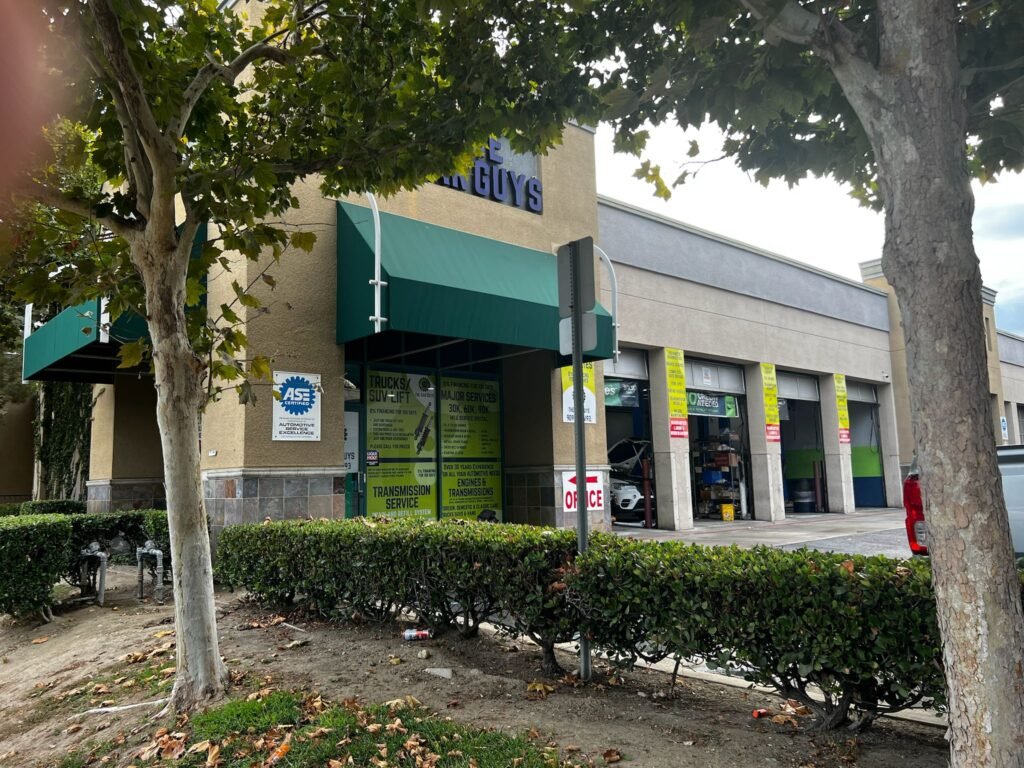
When it comes to staying safe on the road, few systems are as important as your brakes. Whether you’re driving through city streets, cruising down the highway, or maneuvering through stop-and-go traffic, properly functioning brakes are essential for your safety and that of others. Searching for “brake repair near me” or “auto shop near me” is one of the smartest things a car owner can do when something feels off.
In this comprehensive guide, we’ll cover everything you need to know about brake repair, common signs of brake problems, the repair process, costs, maintenance tips, and how to find the best auto shop near you for reliable brake services.
1. Understanding the Importance of Brake Repair
Your vehicle’s braking system is a complex network of mechanical and hydraulic parts that work together to slow or stop your car safely. Every time you press the brake pedal, you depend on this system to respond instantly. Over time, wear and tear, heat, friction, and fluid degradation can all affect your brakes’ performance.
Ignoring brake issues can lead to:
-
Increased stopping distance
-
Brake failure
-
Damage to other vehicle components
-
Expensive future repairs
-
Most importantly, a serious safety hazard
Proper brake maintenance and timely repairs ensure that your vehicle operates smoothly and safely, giving you confidence on every drive.
2. How the Brake System Works
Before you look for a brake repair shop near me, it helps to understand the basic operation of the braking system.
A typical braking system includes:
-
Brake Pedal: The component you press to engage the brakes.
-
Brake Booster: Assists in applying force from your foot to the brakes.
-
Master Cylinder: Converts pedal pressure into hydraulic pressure.
-
Brake Lines & Hoses: Carry brake fluid to each wheel.
-
Calipers: Use hydraulic pressure to squeeze brake pads against rotors.
-
Brake Pads: Create friction against rotors to slow the vehicle.
-
Rotors (Discs): Metal discs connected to the wheels.
-
Brake Fluid: The medium that transfers pressure through the system.
When you step on the pedal, the hydraulic pressure travels through brake lines, forcing the calipers to clamp down the brake pads against the rotors, creating friction that slows or stops your vehicle.
3. Common Signs You Need Brake Repair
Knowing when to take your car to an auto shop near me for brake service is key to preventing more serious issues. Here are the most common signs that your brakes need attention:
a. Squealing or Screeching Noises
If you hear high-pitched noises when braking, it’s likely your brake pads are worn. Most pads have wear indicators that make noise when it’s time for replacement.
b. Grinding Sound
A grinding sound means the brake pads are completely worn down, allowing metal-to-metal contact between the rotors and calipers. This can severely damage your braking system.
c. Vibration or Pulsation
If the brake pedal or steering wheel vibrates when you brake, your rotors might be warped or unevenly worn.
d. Soft or Spongy Pedal
When the pedal feels soft or goes to the floor, you might have air in the brake lines or a problem with the master cylinder.
e. Pulling to One Side
If your vehicle pulls left or right during braking, it may indicate uneven pad wear, a stuck caliper, or contaminated brake fluid.
f. Brake Warning Light
Modern vehicles are equipped with dashboard indicators. If your brake light or ABS warning comes on, it’s time to visit an auto shop immediately.
g. Burning Smell
A strong burning odor after heavy braking could signal overheating brakes or a stuck caliper.
4. Types of Brake Services
When searching for brake repair near me, it’s important to know what type of service you might need. Brake systems vary between vehicles, but most shops offer the following repair and maintenance services:
a. Brake Inspection
A thorough check of pads, rotors, calipers, and fluid levels to identify wear or potential issues.
b. Brake Pad Replacement
Brake pads typically last 25,000–70,000 miles depending on driving habits and materials. Replacing them early prevents rotor damage.
c. Rotor Resurfacing or Replacement
Warped or grooved rotors can often be resurfaced. If they are too thin or damaged, replacement is required.
d. Brake Fluid Flush
Brake fluid absorbs moisture over time, reducing efficiency. A flush ensures proper hydraulic performance.
e. Caliper Service
Sticking or leaking calipers can cause uneven braking or drag. They may need cleaning, repair, or replacement.
f. ABS Repair
The Anti-lock Braking System (ABS) enhances control during emergency stops. Sensors, modules, or wiring may need repair if malfunctioning.
g. Parking Brake Adjustment
If your parking brake doesn’t hold securely, adjustment or cable replacement may be necessary.
5. The Brake Repair Process Explained
When you take your vehicle to a professional auto shop near me, here’s what typically happens during brake service:
-
Initial Inspection: Technicians check the pads, rotors, fluid, and overall system condition.
-
Diagnostic Testing: Advanced shops may use diagnostic tools to identify ABS or sensor issues.
-
Estimate & Approval: You’ll receive a repair estimate outlining labor and parts costs.
-
Repair or Replacement: Depending on the findings, the shop replaces pads, rotors, calipers, or performs a fluid flush.
-
Testing: After repairs, technicians test-drive your car to ensure the brakes perform correctly.
-
Final Safety Check: They inspect torque levels, fluid leaks, and pedal feel before returning your car.
6. Average Cost of Brake Repair Near You
Brake repair costs can vary depending on the vehicle make, parts used, and local labor rates. Here’s a general breakdown:
| Service Type | Average Cost (Per Axle) |
|---|---|
| Brake Pad Replacement | $150 – $300 |
| Brake Rotor Replacement | $200 – $500 |
| Brake Fluid Flush | $70 – $150 |
| Caliper Replacement | $250 – $600 |
| Complete Brake Job (Pads + Rotors + Fluid) | $400 – $800 |
Luxury or performance vehicles may cost more due to specialized parts and labor. Always ask your auto shop near me for a detailed estimate before service.
7. Choosing the Best Auto Shop Near Me for Brake Repair
Not all repair shops are equal. Choosing the right one ensures you get quality work, honest pricing, and long-lasting results. Here’s what to consider:
a. Certifications and Experience
Look for ASE-certified mechanics with brake repair expertise. Experienced technicians ensure correct diagnosis and proper installation.
b. Customer Reviews
Online reviews and ratings on Google, Yelp, or the Better Business Bureau (BBB) can reveal a shop’s reliability and customer satisfaction.
c. Warranty on Repairs
Reputable auto shops offer warranties on both labor and parts—typically 12 months or 12,000 miles.
d. Transparent Pricing
Avoid shops that offer vague estimates or hidden fees. Ask for a detailed, written quote.
e. Quality Parts
Ensure the shop uses OEM (Original Equipment Manufacturer) or equivalent-quality parts. Low-quality pads or rotors wear out faster.
f. Convenience
Choose a location that’s close to home or work, offers shuttle service, or provides a comfortable waiting area.
8. Why You Shouldn’t Delay Brake Repair
Postponing brake service can lead to costly consequences:
-
Increased repair bills: A simple pad replacement can turn into a full rotor and caliper replacement.
-
Reduced safety: Compromised brakes increase stopping distance.
-
Lower vehicle value: Poorly maintained brakes affect resale value.
-
Potential accidents: Failing brakes can cause collisions or injury.
Timely repair and maintenance not only protect your wallet but also ensure the safety of everyone on the road.
9. Preventive Maintenance Tips for Long-Lasting Brakes
Preventive maintenance is key to avoiding expensive brake repairs. Follow these expert tips:
-
Check Brake Fluid Regularly: Low or dirty fluid affects performance. Top up or flush as needed.
-
Avoid Hard Braking: Gradual stops reduce heat and wear on pads and rotors.
-
Downshift on Hills: Use lower gears instead of riding the brakes downhill.
-
Replace Pads Early: Don’t wait until you hear grinding noises.
-
Inspect Every 6 Months: Routine inspections catch small issues early.
-
Keep Wheels Clean: Brake dust buildup can cause corrosion.
-
Pay Attention to Warning Signs: If your brake light appears or you feel vibrations, visit a mechanic immediately.
Following these practices can extend the life of your braking components and save you money in the long run.
10. How Often Should You Get Your Brakes Checked?
Most experts recommend a brake inspection every 10,000–15,000 miles, or twice a year. However, this can vary based on:
-
Driving habits
-
Traffic conditions
-
Vehicle type
-
Road terrain
If you frequently drive in stop-and-go traffic or hilly areas, your brakes may wear faster. Always consult your owner’s manual for manufacturer recommendations.
11. The Difference Between Front and Rear Brake Repair
Front Brakes
Front brakes handle about 70% of the braking force. They use larger pads and rotors, meaning they typically wear out faster and require more frequent replacement.
Rear Brakes
Rear brakes assist with stability and balance during stopping. They wear slower but can still develop problems such as worn shoes (for drum brakes) or leaking cylinders.
Knowing which end of the vehicle needs service helps your technician pinpoint the issue more efficiently.
12. Types of Brake Pads and Their Benefits
When getting new brake pads installed at an auto shop near me, you’ll have several material options:
| Type | Description | Best For |
|---|---|---|
| Organic (Non-Asbestos Organic) | Made from natural fibers and resins; quiet but wear faster. | Light city driving |
| Semi-Metallic | Contain metal particles for better heat resistance. May produce more noise. | Most everyday vehicles |
| Ceramic | Durable, quiet, and produce less dust. Costlier but long-lasting. | Performance and luxury cars |
Your mechanic can recommend the best option based on your budget and driving style.
13. DIY vs. Professional Brake Repair
While some car enthusiasts handle simple brake jobs at home, most drivers are better off visiting a professional auto repair shop near me.
DIY Pros:
-
Cost savings on labor
-
Learning experience
DIY Cons:
-
Requires specialized tools
-
Risk of incorrect installation
-
No warranty coverage
-
Safety hazards if done improperly
Professional Repair Advantages:
-
Certified expertise
-
Warranty protection
-
Diagnostic precision
-
Quality parts and installation
Brake systems are too critical to take chances with—professional service ensures safety and peace of mind.
14. Emergency Brake Problems and What to Do
If your brakes fail while driving:
-
Stay Calm.
-
Downshift to lower gears to slow the car.
-
Use the Parking Brake gradually, not abruptly.
-
Move to the Shoulder and use hazard lights.
-
Do Not Turn Off the Engine until you’ve stopped safely (you’ll lose power steering).
-
Call a Tow Truck or Roadside Assistance.
Once stopped, have your vehicle towed to a trusted auto shop near me immediately for inspection and repair.
15. Benefits of Regular Brake Service
Routine brake maintenance offers many benefits:
-
Enhanced safety and shorter stopping distances
-
Reduced repair costs over time
-
Improved vehicle performance and control
-
Better fuel efficiency (less drag from sticking brakes)
-
Longer component lifespan
-
Peace of mind knowing your vehicle is road-safe
Your brakes protect your life—keeping them in peak condition should always be a priority.
16. Finding Trusted Brake Repair Near Me
Here’s how to locate a reliable local shop:
-
Use Google Maps: Search “brake repair near me” or “auto shop near me.”
-
Check Reviews: Look for 4+ star ratings with consistent customer satisfaction.
-
Ask for Recommendations: Friends, coworkers, or family can offer trusted referrals.
-
Compare Estimates: Request quotes from multiple shops.
-
Visit the Shop: A clean, organized facility is often a good sign of professionalism.
Local shops often offer personalized service, faster turnaround, and better prices than large chain stores.
17. Chain vs. Independent Auto Shops
Both have advantages:
Chain Shops:
-
Consistent pricing and policies
-
National warranties
-
Often convenient locations
Independent Shops:
-
Personalized attention
-
More flexibility with parts and pricing
-
Often family-owned and community-driven
Choosing depends on your preferences, budget, and comfort level with the service provider.
18. Eco-Friendly Brake Repair Options
Environmentally conscious drivers can ask about low-dust brake pads, recycled rotors, or non-toxic brake fluids. Some auto shops specialize in eco-friendly services that reduce waste and pollution without sacrificing performance.
19. Seasonal Brake Care Tips
Different seasons affect brake performance:
-
Winter: Moisture and road salt can corrode components—rinse undercarriage frequently.
-
Summer: Heat increases brake fade—check fluid and avoid overloading.
-
Fall/Spring: Great times for routine inspections and pad replacement.
Adapting your maintenance habits ensures consistent braking performance year-round.
20. Final Thoughts: Stay Safe with Reliable Brake Repair Near You
When your safety is on the line, never compromise. Whether you need a simple brake pad replacement or a complete system overhaul, choosing the right auto shop near me can make all the difference.
Timely brake service ensures your car stops precisely when you need it to. Regular inspections, quality parts, and professional care can prevent dangerous situations and save you hundreds in future repairs.
So next time you hear a squeak, feel a vibration, or see that warning light, don’t delay—search “brake repair near me” and schedule your appointment with a trusted auto shop near you. Your life and safety depend on it.