
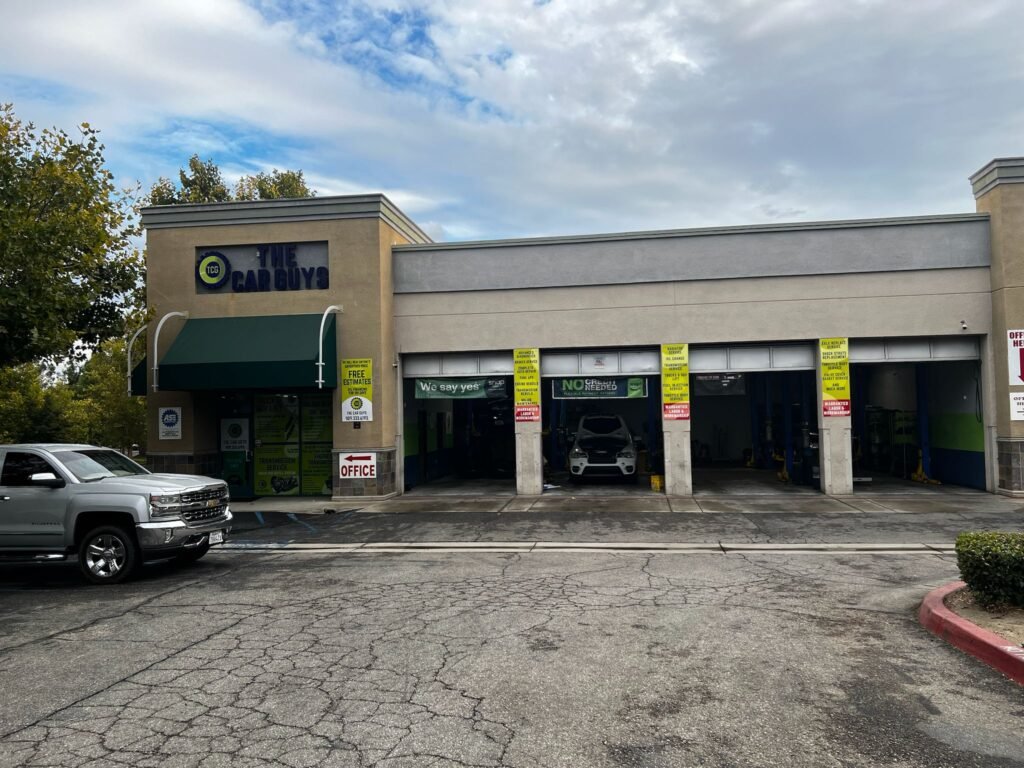
When it comes to automobile maintenance, few components are as critical to your safety as your vehicle’s braking system. A malfunctioning brake system can lead to dangerous situations, costly repairs, and in the worst cases, serious accidents. For this reason, knowing where to find reliable brake repair near me is essential for every car owner. This guide provides an in-depth look into brake repair services, the importance of timely maintenance, and tips for choosing the best automobile repair shop near you.
Understanding the Importance of Brake Systems
Brakes are the most crucial safety feature in any vehicle. They allow you to slow down, stop, and control your car effectively. Modern braking systems are sophisticated, incorporating technologies such as Anti-lock Braking System (ABS), electronic brakeforce distribution, and disc or drum brakes. Any failure in these systems can compromise safety and reduce vehicle performance.
Common signs that your brakes may need attention include:
-
Squeaking or grinding noises when braking
-
Vibration in the brake pedal or steering wheel
-
Increased stopping distance
-
Warning lights on your dashboard (such as ABS warning)
Addressing these signs promptly can prevent accidents and save on costly repairs down the line.
Common Brake Problems
Automobile repair shops frequently handle a variety of brake-related issues. Understanding these common problems can help you recognize when it’s time to search for brake repair near me:
-
Worn Brake Pads
Brake pads are designed to wear down over time, but if ignored, they can damage your rotors. Signs include squealing noises and decreased braking efficiency. -
Damaged Rotors
Rotors are the discs that brake pads press against to stop your vehicle. Warped or damaged rotors can cause vibration during braking. -
Brake Fluid Leaks
Low brake fluid or leaks in the hydraulic system can lead to soft brakes or brake failure. -
ABS Malfunction
A failing Anti-lock Braking System can reduce your control during emergency stops, particularly on slippery surfaces. -
Sticking Calipers
Brake calipers press pads against the rotors. If they stick, you may experience uneven braking or premature wear on one side. -
Brake Lines Issues
Corrosion or damage to brake lines can result in fluid leaks and reduced braking power.
Understanding these issues helps car owners communicate effectively with mechanics and ensures proper repair.
Benefits of Timely Brake Repair
Getting your brakes inspected and repaired promptly offers several benefits:
-
Enhanced Safety: Functioning brakes are critical for avoiding accidents.
-
Improved Performance: Well-maintained brakes respond better and provide smoother stopping.
-
Cost Savings: Regular maintenance prevents expensive repairs, such as rotor replacement or full brake system overhauls.
-
Extended Vehicle Lifespan: Brake repair protects other components like tires and suspension from excessive wear.
Ignoring brake issues can escalate small problems into major repairs that cost hundreds of dollars, not to mention compromising your safety on the road.
Why Choose a Local Automobile Repair Shop
When searching for brake repair near me, local automobile repair shops offer several advantages over dealership services:
-
Personalized Service: Local shops often provide a more hands-on, customer-focused experience. Mechanics know their regular clients and may offer tailored recommendations.
-
Cost-Effective Repairs: Local shops tend to charge less than dealerships, particularly for labor, while maintaining high-quality parts.
-
Convenience: Choosing a nearby shop saves time and effort, especially if you need urgent brake repair services.
-
Community Trust: Many local shops build their reputation through word-of-mouth and consistent quality service.
-
Flexibility: Independent shops often have more flexibility with scheduling and can provide services for a wide range of vehicle makes and models.
How to Find the Best Brake Repair Near You
Finding a reliable brake repair shop requires careful consideration. Here are some steps to ensure you choose the right place:
1. Search Online
Using search engines and mapping services to find brake repair near me is the first step. Read customer reviews, ratings, and testimonials to gauge the shop’s reliability and service quality.
2. Check Certifications
Look for certifications such as ASE (Automotive Service Excellence) or manufacturer-specific training. Certified mechanics have demonstrated proficiency in diagnosing and repairing brake systems.
3. Evaluate Experience
Experience matters when it comes to brake repair. Shops that have been operating for several years are likely more dependable and knowledgeable.
4. Ask About Services
A professional brake repair shop should offer a comprehensive range of services, including:
-
Brake pad and rotor replacement
-
Brake fluid flush and replacement
-
ABS system diagnostics and repair
-
Caliper inspection and repair
-
Brake line and hose repair
5. Compare Quotes
Obtain multiple quotes to ensure competitive pricing. Avoid choosing solely based on the lowest price—quality and warranty are equally important.
6. Warranty and Guarantee
Reputable shops stand behind their work. Ask about warranties for parts and labor to ensure long-term peace of mind.
7. Convenience and Accessibility
Consider the shop’s location, hours, and availability of emergency services. A convenient, accessible shop makes routine maintenance and unexpected repairs easier to manage.
Brake Repair Process
Understanding the brake repair process can help you feel more confident when leaving your vehicle with a mechanic. Here’s what typically happens:
-
Inspection: The mechanic examines brake pads, rotors, calipers, fluid, and lines for wear or damage. They may also test ABS functionality and check for leaks.
-
Diagnosis: Based on the inspection, the mechanic identifies the root cause of braking issues. This may involve using specialized diagnostic equipment.
-
Quotation: The shop provides a detailed quote, including parts, labor, and estimated time for completion.
-
Repair or Replacement: Depending on the diagnosis, the mechanic may replace brake pads, resurface or replace rotors, bleed the brake system, or fix hydraulic issues.
-
Testing: After repairs, the mechanic tests the brakes for performance, ensuring smooth operation and proper stopping power.
-
Final Check: A thorough check ensures that all components are secure, fluid levels are adequate, and no warning lights remain.
Types of Brakes and Repairs
Different vehicles may have different brake systems, and repair requirements vary accordingly. Here’s an overview:
1. Disc Brakes
Disc brakes are the most common in modern vehicles. They consist of a rotor, caliper, and brake pads. Repairs often involve:
-
Replacing worn pads
-
Resurfacing or replacing rotors
-
Caliper maintenance
2. Drum Brakes
Drum brakes are typically found on older vehicles or rear wheels of some modern cars. Components include brake shoes, drum, and wheel cylinder. Repairs may include:
-
Replacing brake shoes
-
Adjusting or resurfacing drums
-
Servicing wheel cylinders
3. ABS Brakes
ABS brakes prevent wheel lockup during hard braking. Repairs may involve:
-
Sensor replacement
-
Module repair or replacement
-
Brake fluid maintenance
4. Emergency or Parking Brakes
These brakes operate independently of the main braking system. Repairs can include:
-
Cable adjustments
-
Pad or shoe replacement
-
System lubrication
Brake Maintenance Tips for Car Owners
Preventative maintenance extends the life of your brakes and reduces repair costs. Follow these tips:
-
Regular Inspections: Check your brakes every 10,000–15,000 miles or as recommended by your vehicle manufacturer.
-
Listen for Sounds: Squealing or grinding noises are early signs of worn pads.
-
Monitor Brake Pedal Feel: A soft or spongy pedal may indicate low brake fluid or air in the system.
-
Check Fluid Levels: Brake fluid should be at the proper level and replaced according to your manufacturer’s schedule.
-
Avoid Harsh Braking: Gradual braking reduces wear on pads and rotors.
-
Rotate Tires: Rotating tires ensures even brake wear and extends component life.
-
Stay Alert for Warning Lights: Don’t ignore ABS or brake warning lights on your dashboard.
Questions to Ask Your Mechanic
When visiting an automobile repair shop for brake service, asking the right questions ensures transparency and confidence in the repair:
-
Are my brake pads worn, and how long before they need replacement?
-
Are my rotors in good condition, or do they need resurfacing?
-
How much will the repair cost, including parts and labor?
-
Is there a warranty on the repair?
-
Can you explain the brake system components that need service?
These questions help you understand the repair and avoid unnecessary work.
Red Flags When Choosing Brake Repair Shops
Not all shops provide quality service. Watch for these red flags:
-
Lack of certifications or licenses
-
Refusal to provide a written estimate
-
Pushy sales tactics or unnecessary upselling
-
Poor customer reviews or complaints
-
Inability to explain repairs clearly
Choosing a reputable shop ensures your brakes are repaired correctly the first time.
Cost of Brake Repair
The cost of brake repair depends on several factors:
-
Type of Vehicle: Luxury or performance cars may have higher costs.
-
Extent of Damage: Minor pad replacement is cheaper than rotor and caliper repairs.
-
Parts Quality: OEM (original equipment manufacturer) parts may cost more than aftermarket parts.
-
Labor Rates: Labor varies by location and shop expertise.
Typical brake repair costs:
| Service | Average Cost |
|---|---|
| Brake Pad Replacement | $100–$300 per axle |
| Rotor Replacement | $200–$400 per axle |
| Brake Fluid Flush | $70–$120 |
| ABS Repair | $300–$800 |
| Caliper Replacement | $150–$300 per caliper |
These prices are estimates and may vary depending on your location and vehicle.
Emergency Brake Services
Some shops provide 24/7 brake repair services for emergencies. If your brakes fail or you notice a sudden issue, immediate professional assistance is crucial. Many local shops offer towing or priority service for urgent brake repairs.
Choosing Between Dealerships and Independent Shops
While dealerships offer brand-specific expertise, independent automobile repair shops often provide:
-
Lower labor costs
-
Flexible scheduling
-
Personalized service
-
Experience with multiple vehicle makes and models
Both options are viable; the choice depends on your priorities for cost, convenience, and expertise.
The Future of Brake Repair
With advances in automotive technology, brake systems are evolving:
-
Electric Vehicles (EVs): Regenerative braking systems reduce wear on traditional brakes but still require maintenance.
-
Advanced Driver Assistance Systems (ADAS): These systems integrate with brakes for collision avoidance, requiring specialized diagnostics.
-
Eco-Friendly Brake Materials: Modern brake pads and rotors use materials that reduce dust and environmental impact.
Mechanics must stay updated with these innovations to provide safe and efficient brake repair.
Conclusion
Brakes are a cornerstone of vehicle safety. Knowing when and where to find brake repair near me is essential for every driver. From understanding common brake problems to evaluating local automobile repair shops, this guide provides the knowledge needed to make informed decisions. Regular maintenance, timely repairs, and choosing a trusted repair shop not only ensure your safety but also prolong the lifespan of your vehicle.
Investing in reliable brake repair today protects you, your passengers, and everyone on the road. Whether you need routine maintenance, emergency repair, or a complete brake system overhaul, choosing the right automobile repair shop ensures peace of mind, optimal performance, and safe driving for years to come.