
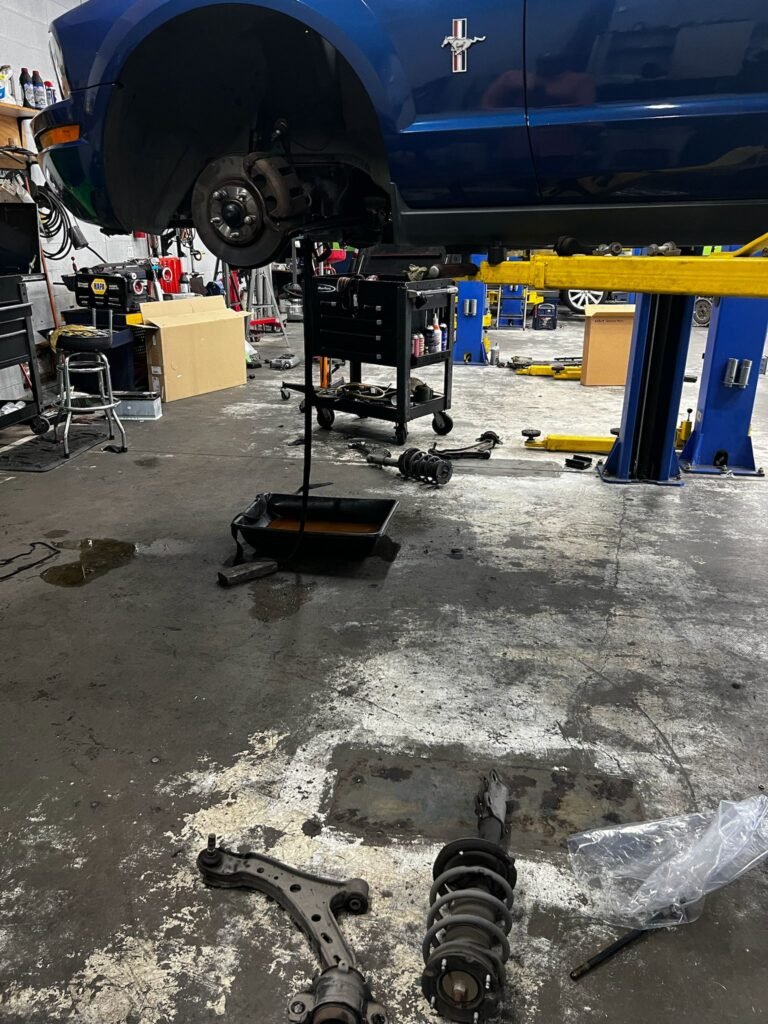
Your vehicle’s braking system is one of the most critical safety components. Whether you’re commuting daily, embarking on road trips, or simply running errands, reliable brakes are essential for your safety and the safety of others on the road. When you search for “brake repair near me,” you’re not just looking for convenience—you’re seeking expertise, quality parts, and trustworthy service to ensure your vehicle stops safely every time. This article explores everything you need to know about brake repair, how to find the best local automotive repair shops, what to expect during a brake service, and tips for maintaining your brakes.
Table of Contents
- Understanding Your Braking System
- Signs You Need Brake Repair
- Types of Brake Services
- How to Find the Best Brake Repair Near You
- What to Expect During a Brake Service
- Cost of Brake Repair: What Influences the Price?
- DIY Brake Maintenance and When to Call a Professional
- Importance of Regular Brake Inspections
- FAQs About Brake Repair
- Conclusion
1. Understanding Your Braking System
Modern vehicles use complex braking systems to ensure maximum safety and performance. The two most common types are disc brakes and drum brakes.
- Disc Brakes: Found on most modern cars, these use a caliper to squeeze pairs of pads against a disc or rotor to create friction.
- Drum Brakes: Often found on rear wheels, these use shoes that press outwards against a spinning drum.
Key Components:
- Brake pads or shoes
- Rotors or drums
- Calipers or wheel cylinders
- Brake fluid and hydraulic lines
- Master cylinder
Understanding how these parts work together helps you recognize when something is wrong and communicate effectively with your repair shop.
2. Signs You Need Brake Repair
Timely brake repair is crucial for safety. Here are common signs that indicate your brakes may need attention:
- Squeaking or Squealing Noises: Often caused by worn brake pads.
- Grinding Sound: Indicates pads are worn through, and metal is contacting metal.
- Vibration or Pulsation: Warped rotors can cause the brake pedal or steering wheel to vibrate.
- Soft or Spongy Pedal: Could mean air in the brake lines or a problem with the master cylinder.
- Brake Warning Light: Modern cars have sensors that trigger a dashboard warning.
- Pulling to One Side: Uneven brake pad wear or a stuck caliper.
- Burning Smell: Overheated brakes, often from excessive braking or a seized component.
If you notice any of these symptoms, search for “brake repair near me” and schedule a professional inspection immediately.
3. Types of Brake Services
Brake repair isn’t a one-size-fits-all process. Depending on the issue, your vehicle may require different services:
- Brake Pad Replacement: The most common service; worn pads are swapped for new ones.
- Rotor Resurfacing or Replacement: Damaged or warped rotors may need machining or replacement.
- Brake Fluid Flush: Old or contaminated fluid is replaced to maintain hydraulic pressure.
- Caliper Replacement or Repair: Faulty calipers can cause uneven braking.
- Drum and Shoe Replacement: For vehicles with drum brakes.
- Brake Line Repair: Fixing leaks or blockages in the hydraulic system.
A reputable automotive repair shop will diagnose the exact issue and recommend the appropriate service.
4. How to Find the Best Brake Repair Near You
Finding a trustworthy local brake repair shop is essential for your safety and peace of mind.
Tips for Finding Reliable Brake Repair:
- Read Online Reviews: Platforms like Google, Yelp, and Facebook provide insights from other customers.
- Ask for Recommendations: Friends, family, and coworkers can share their experiences.
- Check Certifications: Look for ASE-certified technicians and membership in reputable organizations.
- Compare Quotes: Get estimates from multiple shops to ensure fair pricing.
- Visit the Shop: A clean, organized facility with friendly staff is a good sign.
When searching “brake repair near me,” prioritize shops with a solid reputation, transparent pricing, and experienced technicians.
5. What to Expect During a Brake Service
Knowing what happens during a brake service can help set your expectations:
- Initial Inspection: The technician checks the condition of pads, rotors, calipers, and fluid.
- Diagnosis: Any issues are identified, and a repair plan is presented.
- Estimate: You’ll receive a quote for the recommended work.
- Service: The technician performs the necessary repairs or replacements.
- Test Drive: The vehicle is tested to ensure the brakes function correctly.
- Final Inspection: A last check ensures all components are properly installed and working.
Reputable shops will explain their findings and answer any questions before starting repairs.
6. Cost of Brake Repair: What Influences the Price?
Brake repair costs can vary widely based on several factors:
- Vehicle Make and Model: Luxury or performance vehicles often have more expensive parts.
- Type of Service: Simple pad replacement is less costly than rotor or caliper replacements.
- Quality of Parts: OEM (Original Equipment Manufacturer) parts may cost more than aftermarket options.
- Labor Rates: Vary by region and shop.
- Extent of Damage: Neglecting brake issues can lead to more expensive repairs.
Average Costs:
- Brake pad replacement: $100–$300 per axle
- Rotor replacement: $200–$400 per axle
- Brake fluid flush: $70–$120
- Caliper replacement: $300–$800 per pair
Always request a detailed estimate before authorizing repairs.
7. DIY Brake Maintenance and When to Call a Professional
Some brake maintenance tasks can be done at home if you have the right tools and experience, such as:
- Checking brake fluid level
- Inspecting brake pads for wear
- Listening for unusual sounds
However, brake systems are critical to vehicle safety. If you’re unsure or lack experience, always seek professional help. Complex tasks like replacing rotors, calipers, or diagnosing hydraulic issues should be left to certified technicians.
8. Importance of Regular Brake Inspections
Routine brake inspections are vital for early detection of wear and potential problems. Most experts recommend a professional brake inspection at least once a year or every 12,000 miles, whichever comes first.
Benefits of Regular Inspections:
- Increased safety
- Prevention of costly repairs
- Extended lifespan of brake components
- Improved vehicle performance
Include brake checks as part of your regular vehicle maintenance schedule.
9. FAQs About Brake Repair
Q: How often should I replace my brake pads?
A: Most brake pads last 30,000–70,000 miles, but check your owner’s manual and monitor for signs of wear.
Q: Can I drive with worn brakes?
A: Driving with worn brakes is dangerous and can lead to accidents or more expensive repairs.
Q: Why do my brakes squeak after new pads are installed?
A: Some noise is normal as new pads bed in, but persistent squeaking may indicate improper installation or low-quality pads.
Q: What is brake fade?
A: Brake fade occurs when brakes overheat and lose effectiveness, often after prolonged or heavy braking.
Q: How do I know if my brake fluid needs changing?
A: Dark, dirty fluid or a spongy brake pedal are signs it’s time for a brake fluid flush.
10. Conclusion
Your brakes are your car’s most important safety feature. Whether you’re a daily driver or an occasional commuter, regular brake maintenance and timely repairs are essential. When searching for “brake repair near me,” prioritize experienced professionals, quality parts, and transparent service. Don’t ignore warning signs—address brake issues promptly to keep yourself and others safe on the road.