
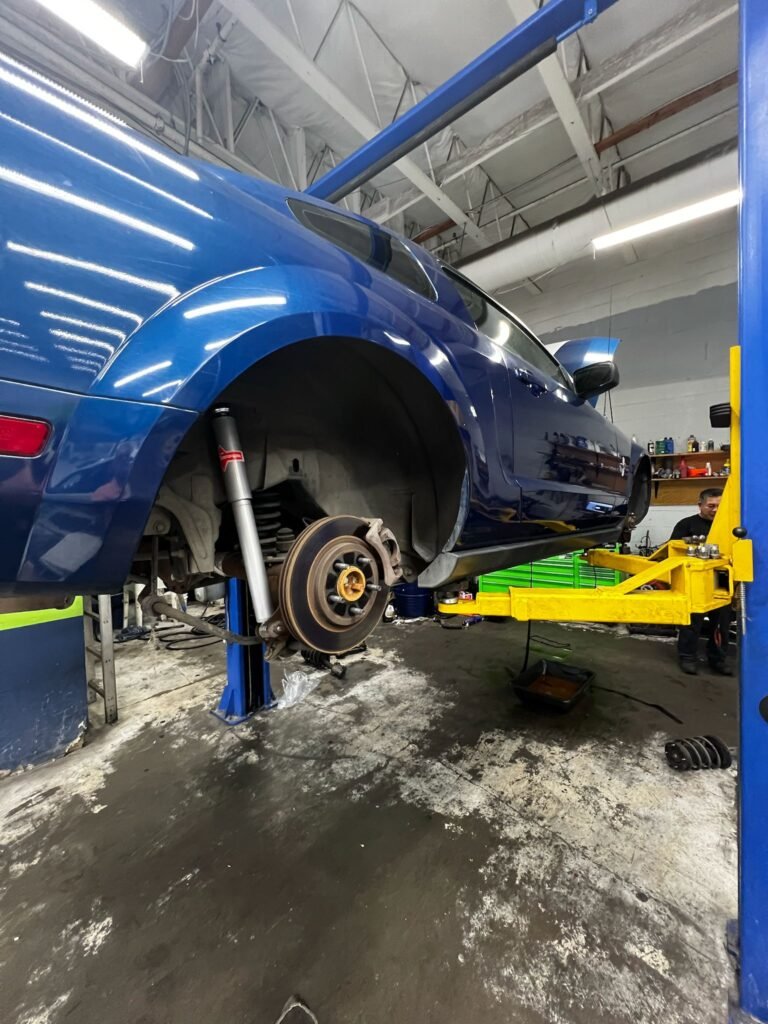
When it comes to vehicle safety, few components are as critical as your brakes. Whether you’re commuting daily or planning a long road trip, ensuring your brakes are in optimal condition is crucial for your safety and that of others on the road. If you’ve ever found yourself searching for “brake repair near me” or “automotive repair near me,” you’re not alone. Thousands of drivers each month look for reliable, local brake specialists to keep their vehicles running smoothly and safely.
Finding trustworthy automotive repair services in your area can seem overwhelming, especially with so many options available. This comprehensive guide will walk you through everything you need to know about brake repair, how to identify signs of brake trouble, what to expect from a professional brake service, and how to choose the best automotive repair shop near you.
Table of Contents
- Why Brake Repair is Essential
- Common Signs Your Brakes Need Repair
- Types of Brake Services Offered
- How to Choose the Right Brake Repair Shop Near You
- What to Expect During a Brake Repair Service
- DIY vs. Professional Brake Repair
- The Importance of Regular Brake Maintenance
- Cost Factors for Brake Repair
- FAQs About Brake Repair and Automotive Services
- Conclusion
1. Why Brake Repair is Essential
Your vehicle’s braking system is its most important safety feature. Brakes allow you to slow down and stop effectively, preventing accidents and ensuring you remain in control of your car. Over time, brake components such as pads, rotors, and calipers wear out and require maintenance or replacement. Ignoring brake issues can lead to more severe damage, higher repair costs, and, most importantly, increased risk of accidents.
Key Points:
- Safety: Properly functioning brakes are vital for safe driving.
- Longevity: Regular brake maintenance extends the life of your vehicle.
- Legal Compliance: In some regions, vehicles must pass brake inspections to remain road-legal.
2. Common Signs Your Brakes Need Repair
Recognizing the early warning signs of brake trouble can save you money and keep you safe. Here are some of the most common signs your brakes may need attention:
- Squeaking or Squealing Noises: High-pitched noises when braking often indicate worn brake pads.
- Grinding Sounds: A grinding noise can mean your brake pads are completely worn down and the metal is contacting the rotor.
- Vibration or Pulsation: If your brake pedal vibrates, it could be due to warped rotors.
- Longer Stopping Distances: If your car takes longer to stop, your brakes may be losing their effectiveness.
- Pulling to One Side: This could indicate uneven brake pad wear or a problem with the brake calipers.
- Warning Lights: Many modern vehicles have dashboard warning lights for brake system issues.
3. Types of Brake Services Offered
When you search for “brake repair near me,” you’ll find that most automotive repair shops offer a variety of brake services, including:
- Brake Pad Replacement: The most common brake service, replacing worn pads with new ones.
- Rotor Resurfacing or Replacement: Rotors may be resurfaced or replaced if they’re warped or excessively worn.
- Brake Fluid Flush: Old brake fluid can absorb moisture, reducing braking performance.
- Caliper Service: Calipers may need cleaning, lubrication, or replacement.
- Brake Line Inspection and Repair: Ensures there are no leaks or blockages in the brake lines.
4. How to Choose the Right Brake Repair Shop Near You
Selecting a reputable automotive repair shop is essential for quality service and peace of mind. Consider these factors when choosing a brake repair shop:
- Certifications: Look for shops with certified technicians (such as ASE certification).
- Reviews and Reputation: Check online reviews and ask for recommendations from friends or family.
- Transparent Pricing: A trustworthy shop will provide clear, upfront pricing.
- Warranty: Many reputable shops offer warranties on parts and labor.
- Convenience: Consider the shop’s location, hours of operation, and whether they offer amenities like shuttle service or loaner cars.
5. What to Expect During a Brake Repair Service
When you bring your car in for brake repair, the technician will typically:
- Inspect the Entire Brake System: This includes pads, rotors, calipers, brake lines, and fluid levels.
- Diagnose Issues: The technician will identify any worn or damaged components.
- Provide a Detailed Estimate: You’ll receive a breakdown of recommended repairs and costs.
- Perform Repairs: With your approval, the technician will complete the necessary repairs or replacements.
- Test the Brakes: After repairs, the brakes are tested to ensure proper function and safety.
6. DIY vs. Professional Brake Repair
Some car owners consider doing their own brake repairs to save money. While simple tasks like changing brake pads can be done at home with the right tools and knowledge, more complex repairs should be left to professionals. Incorrectly performed brake repairs can compromise your safety and lead to further damage.
Pros of Professional Brake Repair:
- Expertise: Certified technicians have the training and experience to diagnose and fix issues correctly.
- Equipment: Professional shops have specialized tools and diagnostic equipment.
- Warranty: Repairs often come with a warranty for added peace of mind.
7. The Importance of Regular Brake Maintenance
Routine brake maintenance is key to preventing major issues and ensuring your brakes perform when you need them most. Regular maintenance includes:
- Brake Pad Inspection: Check pads for wear every 10,000–20,000 miles.
- Brake Fluid Check: Replace brake fluid every 2–3 years or as recommended by your vehicle manufacturer.
- Rotor and Drum Inspection: Inspect for warping, scoring, or excessive wear.
8. Cost Factors for Brake Repair
The cost of brake repair can vary depending on several factors:
- Type of Vehicle: Luxury or performance vehicles may have more expensive parts.
- Extent of Damage: Replacing pads is less expensive than replacing rotors or calipers.
- Labor Costs: Rates vary by location and shop.
- Parts Quality: OEM (original equipment manufacturer) parts typically cost more than aftermarket options.
Average Price Ranges:
- Brake Pad Replacement: $100–$300 per axle
- Rotor Resurfacing/Replacement: $150–$400 per axle
- Brake Fluid Flush: $70–$120
9. FAQs About Brake Repair and Automotive Services
Q: How often should I have my brakes checked?
A: It’s recommended to have your brakes inspected at least once a year or every 12,000 miles.
Q: Can I drive with worn brake pads?
A: Driving with worn pads is dangerous and can lead to more costly repairs or accidents.
Q: How long do brake pads last?
A: Most pads last between 25,000 and 70,000 miles, depending on driving habits and conditions.
Q: What is a brake fluid flush, and why is it necessary?
A: A brake fluid flush removes old, contaminated fluid, ensuring optimal braking performance.
10. Conclusion
Your vehicle’s brakes are essential to your safety on the road. If you notice any signs of brake trouble, don’t delay in searching for “brake repair near me” or “automotive repair near me.” Trusting your car to a certified, reputable local repair shop ensures your brakes are serviced correctly and efficiently, giving you peace of mind every time you drive.
Regular maintenance and prompt repairs not only keep you safe but also extend the life of your vehicle and prevent more costly problems down the road. Always choose a shop with certified technicians, transparent pricing, and positive reviews to ensure you receive the best possible service.