
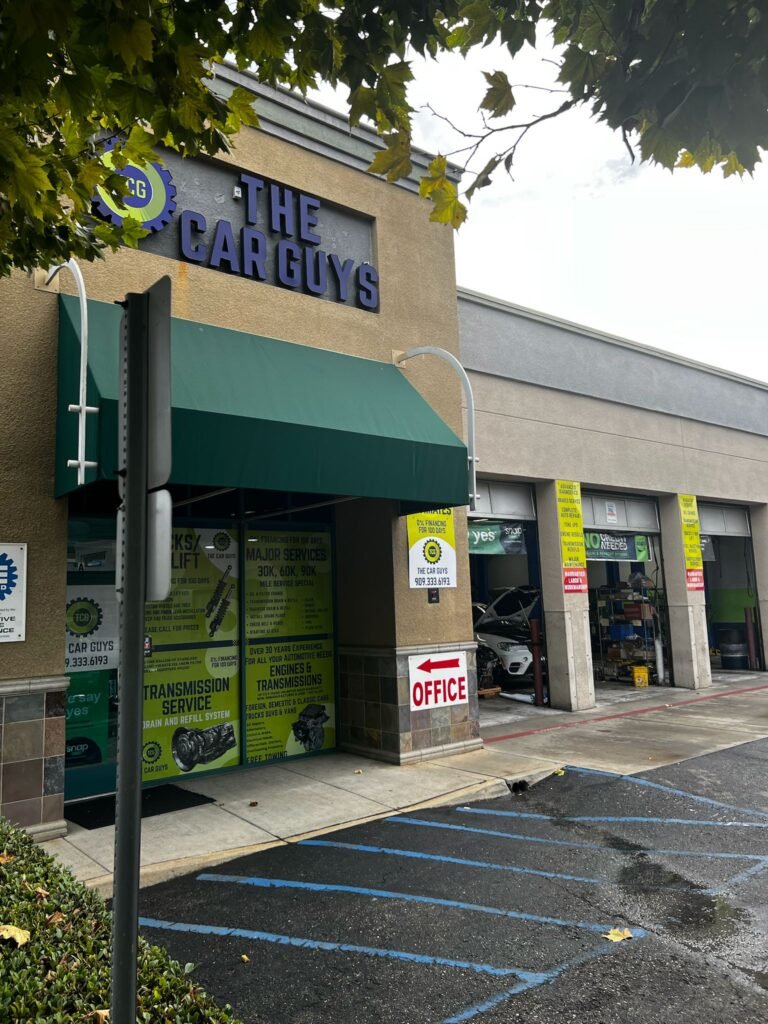
When it comes to vehicle maintenance, one of the most critical aspects often overlooked is the brake system. Brakes are your vehicle’s primary safety mechanism. Ignoring brake issues can not only compromise your safety but also lead to more costly repairs in the long run. For those searching for “brake repair near me”, understanding the ins and outs of brake repair, what services are offered at car repair shops, and how to choose the right mechanic is essential. This guide will cover everything you need to know about brake repair, maintenance, and finding a reliable local car repair shop.
Why Brake Repair is Crucial
Your vehicle’s braking system is designed to stop your car safely and effectively. Over time, brakes wear down due to friction, heat, and general wear and tear. Failing brakes can result in accidents, decreased vehicle performance, and costly repairs. Here are some key reasons why brake repair is essential:
-
Safety First: The most obvious reason to maintain your brakes is safety. Faulty brakes increase stopping distance, which can lead to collisions.
-
Preventing Further Damage: Ignoring brake problems can damage other parts of the braking system, such as the rotors, calipers, or brake lines, increasing repair costs.
-
Optimal Vehicle Performance: Brakes that work properly ensure smoother driving and better control, especially during emergency stops.
-
Legal Compliance: In many regions, vehicles must pass regular safety inspections, including brake functionality, to be roadworthy.
Common Brake Problems
Brake systems are complex, consisting of multiple components that must work together seamlessly. Knowing the signs of brake issues can help you seek timely repairs. Common brake problems include:
1. Worn Brake Pads
Brake pads are the friction material that presses against the rotors to slow your vehicle. Over time, they wear down and need replacement. Signs include:
-
Squealing or screeching noise
-
Grinding sound indicating metal-on-metal contact
-
Reduced braking efficiency
2. Warped Rotors
Rotors can become warped due to excessive heat from heavy braking or long descents. Symptoms include:
-
Vibration when braking
-
Pulsating brake pedal
-
Uneven braking
3. Brake Fluid Issues
Brake fluid is vital for hydraulic braking systems. Common issues include leaks, low fluid levels, or contamination. Signs include:
-
Soft or spongy brake pedal
-
Warning lights on the dashboard
-
Reduced braking power
4. Faulty Brake Lines or Hoses
Brake lines carry hydraulic fluid to the braking components. Any damage or leakage can be dangerous. Signs include:
-
Fluid leaks under the car
-
Decreased braking performance
-
Warning lights
5. Sticking or Seized Calipers
Calipers clamp the brake pads onto the rotors. If they stick, you may notice:
-
Uneven pad wear
-
Car pulling to one side while braking
-
Burning smell from overheated brakes
Types of Brake Services at Car Repair Shops
Car repair shops typically offer a wide range of brake services. Here’s what you can expect:
1. Brake Inspection
A thorough brake inspection identifies problems before they become severe. Mechanics will check:
-
Brake pads and rotors
-
Brake fluid levels and quality
-
Calipers and brake lines
-
ABS (Anti-lock Braking System) functionality
2. Brake Pad Replacement
Replacing worn brake pads is one of the most common brake services. Depending on your vehicle and driving habits, brake pads may need replacement every 30,000–70,000 miles.
3. Rotor Resurfacing or Replacement
Rotors can be resurfaced to remove minor imperfections, but severely damaged rotors often require replacement.
4. Brake Fluid Flush and Replacement
Over time, brake fluid can absorb moisture, reducing its effectiveness. Regular brake fluid changes ensure optimal braking performance.
5. Caliper Repair or Replacement
Faulty calipers need repair or replacement to ensure proper pad contact and even braking.
6. Emergency Brake Repair
A malfunctioning emergency brake can be dangerous. Car repair shops can adjust or repair the handbrake or electronic parking brake system.
Signs You Need Immediate Brake Repair
While regular maintenance is crucial, certain symptoms indicate you should seek brake repair immediately:
-
Squealing or Grinding Noises: Persistent noises often indicate worn pads or rotor issues.
-
Soft or Spongy Brake Pedal: Indicates air in brake lines or fluid issues.
-
Brake Warning Lights: Dashboard alerts are serious and shouldn’t be ignored.
-
Vehicle Pulling to One Side: Often a sign of uneven pad wear or caliper problems.
-
Burning Smell: Overheated brakes due to stuck calipers or excessive friction.
Finding the Right Car Repair Shop Near You
Searching for “brake repair near me” can be overwhelming with so many options available. Here’s how to choose a reliable car repair shop:
1. Check Certifications
Look for shops with certified mechanics, such as ASE (Automotive Service Excellence) certification. Certified mechanics have the training and experience to handle brake systems correctly.
2. Read Reviews
Customer reviews and ratings can give insight into the quality of service, pricing, and customer satisfaction.
3. Ask About Warranties
Reputable shops offer warranties on brake parts and labor. This guarantees quality and peace of mind.
4. Compare Prices
While price shouldn’t be the only factor, comparing quotes ensures you’re not overpaying for brake repair services.
5. Evaluate Equipment and Technology
Modern brake systems, especially on newer vehicles, require specialized tools and diagnostics. A well-equipped shop can handle all types of brake repairs, including ABS and electronic brake systems.
Brake Maintenance Tips
Regular brake maintenance extends the life of your braking system and ensures safety. Here are some essential tips:
-
Regular Inspections: Have your brakes checked at least once a year or every 12,000 miles.
-
Monitor Brake Pads: Replace brake pads before they wear completely.
-
Check Brake Fluid: Ensure fluid levels are adequate and change fluid as recommended by the manufacturer.
-
Avoid Riding the Brakes: Continuous braking generates excessive heat and accelerates wear.
-
Drive Smoothly: Gentle braking reduces stress on brake components.
-
Listen for Unusual Noises: Any squeals, grinding, or vibrations should prompt a brake inspection.
The Cost of Brake Repair
The cost of brake repair varies depending on the type of service and vehicle model. Approximate costs include:
-
Brake Pad Replacement: $100–$300 per axle
-
Rotor Resurfacing: $50–$100 per rotor
-
Rotor Replacement: $150–$400 per rotor
-
Brake Fluid Flush: $70–$120
-
Caliper Replacement: $200–$500
Prices vary by region and shop, which is why comparing local car repair shops is beneficial.
DIY vs. Professional Brake Repair
While some car enthusiasts attempt DIY brake repairs, professional service is highly recommended for safety reasons. Modern brake systems are complex, and improper repairs can lead to accidents. Benefits of professional brake repair include:
-
Accurate diagnosis of problems
-
Access to specialized tools
-
Proper installation of brake components
-
Warranty and guarantee on parts and labor
How Technology is Improving Brake Repair
Recent advances in automotive technology have transformed brake repair. Modern vehicles often include:
-
ABS (Anti-lock Braking System): Prevents wheel lockup during emergency stops.
-
Electronic Brakeforce Distribution (EBD): Distributes braking power for stability.
-
Brake Assist: Enhances braking power during emergency stops.
-
Regenerative Brakes (Hybrid/Electric Vehicles): Requires specialized knowledge for maintenance and repair.
Car repair shops equipped with advanced diagnostics can handle these systems efficiently.
The Importance of Regular Brake Checks
Regular brake checks are not just about safety—they can save money and prevent unexpected breakdowns. Key benefits include:
-
Early detection of wear and tear
-
Avoiding costly repairs due to neglected components
-
Maintaining optimal vehicle performance
-
Peace of mind while driving
Customer Experience at a Car Repair Shop
When choosing a brake repair shop, the customer experience is just as important as the technical work. Key factors include:
-
Transparent Communication: A good mechanic explains the issue, options, and costs clearly.
-
Timely Service: Efficient service without unnecessary delays.
-
Friendly Staff: Professionalism and helpfulness make a big difference.
-
Clean Facility: A well-maintained shop often reflects attention to detail and quality service.
Frequently Asked Questions (FAQ)
Q1: How often should I replace my brake pads?
A: Typically every 30,000–70,000 miles, depending on driving habits and vehicle type.
Q2: Can I drive with worn brake pads?
A: Driving with worn pads is dangerous and can damage the rotors. It’s best to replace them immediately.
Q3: How long does a brake repair take?
A: Basic brake pad replacement can take 1–2 hours, while more complex repairs may take several hours.
Q4: What is the difference between rotor resurfacing and replacement?
A: Resurfacing smooths out minor imperfections, while replacement is needed for severely warped or damaged rotors.
Q5: Are brake repairs expensive?
A: Costs vary, but regular maintenance can prevent expensive repairs. Brake pad replacement is typically affordable, whereas rotor or caliper replacement can be costlier.
Conclusion
Brakes are the heart of your vehicle’s safety system, and maintaining them should never be neglected. Searching for “brake repair near me” is more than just convenience—it’s about finding a trustworthy car repair shop that ensures safety, quality service, and peace of mind. By understanding brake components, common issues, services offered, and how to choose a reliable repair shop, you can keep your vehicle in top condition and drive with confidence.
Regular inspections, timely repairs, and professional expertise are the keys to a long-lasting, reliable braking system. Don’t wait for a warning light or unusual noise—schedule your brake service today and ensure your car stops safely every time.