
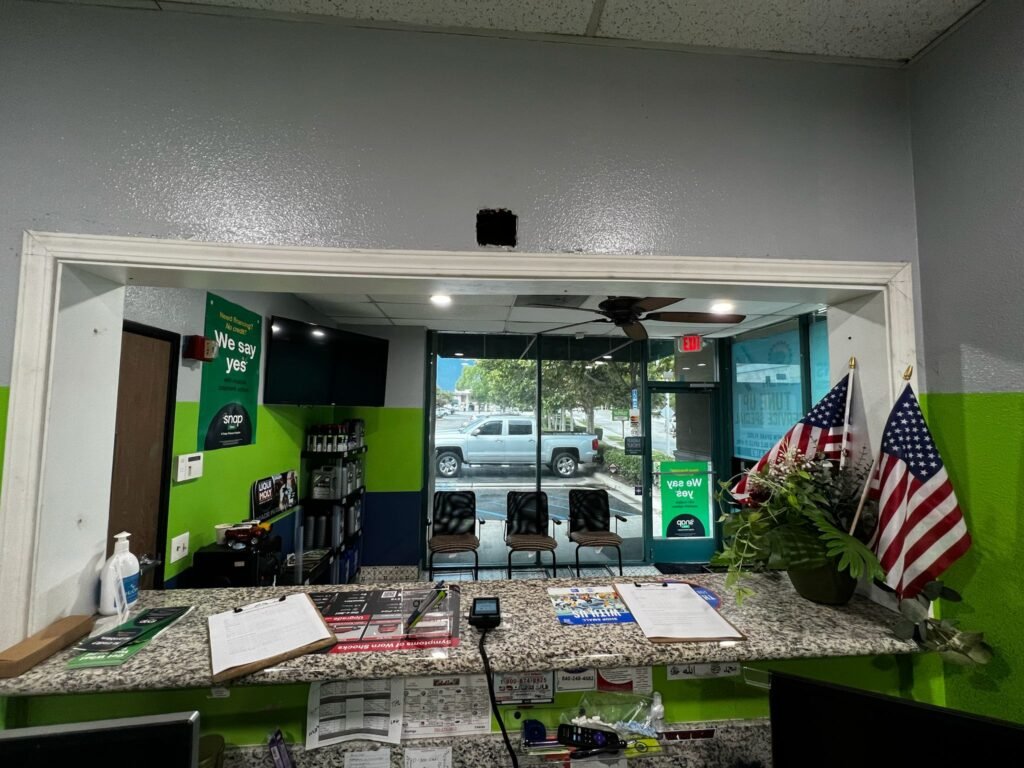
When it comes to vehicle safety, few components are as critical as your brakes. Whether you drive a compact car, a family SUV, or a high-performance vehicle, keeping your braking system in top condition is essential for your protection and peace of mind. Searching for “brake repair near me” or “mechanic near me” is often the first step drivers take when they notice something isn’t quite right. In this article, we’ll explore everything you need to know about brake repair, how to find a reliable local mechanic, what to expect during the process, and tips for maintaining your brakes for long-term performance.
Table of Contents
- Why Brake Repair Matters
- Signs Your Brakes Need Repair
- Types of Brake Services
- How to Find a Good Mechanic Near You
- What to Expect During a Brake Repair Appointment
- Brake Repair Costs: What Influences the Price?
- DIY vs. Professional Brake Repair
- Brake Maintenance Tips
- Frequently Asked Questions
- Conclusion
Why Brake Repair Matters
Your vehicle’s brakes are its most important safety feature. Every time you drive, you rely on your brakes to help you stop quickly and safely. Over time, brake components wear down, reducing their effectiveness and putting you and others at risk. Regular brake inspections and timely repairs ensure your car remains safe and responsive in all driving conditions.
Key Reasons Brake Repair Is Essential:
- Safety: Well-maintained brakes reduce stopping distances and prevent accidents.
- Legal Compliance: Many states require vehicles to pass safety inspections, including brake checks.
- Cost Savings: Addressing minor brake issues early prevents more expensive repairs later.
- Peace of Mind: Knowing your brakes are in good shape allows you to drive with confidence.
Signs Your Brakes Need Repair
Recognizing the early warning signs of brake trouble can save you from costly repairs and dangerous situations. Here are the most common symptoms indicating your brakes may need attention:
- Squeaking or Squealing Noises: High-pitched noises often mean your brake pads are worn and need replacing.
- Grinding Sounds: A grinding noise usually signals metal-on-metal contact, indicating severely worn brake pads or rotors.
- Vibration or Pulsation: If you feel vibrations when braking, it could be due to warped rotors.
- Soft or Spongy Brake Pedal: A brake pedal that feels soft or sinks to the floor may indicate air in the brake lines or a leak in the hydraulic system.
- Longer Stopping Distances: If your car takes longer to stop, your brake pads or fluid may be low.
- Dashboard Warning Light: Modern vehicles have brake warning lights that illuminate when there’s an issue.
If you notice any of these signs, search for “brake repair near me” and schedule an inspection with a trusted mechanic.
Types of Brake Services
Brake systems are made up of several components, each of which can require maintenance or repair. Understanding the different types of brake services will help you know what to expect when you visit a mechanic.
Common Brake Services Include:
- Brake Inspection: A thorough check of all brake components.
- Brake Pad Replacement: Swapping out worn pads for new ones.
- Rotor Resurfacing or Replacement: Fixing or replacing the discs that pads clamp onto.
- Brake Fluid Exchange: Removing old fluid and replacing it with fresh, clean fluid.
- Brake Line Repair: Fixing leaks or damage in the hydraulic lines.
- Caliper Service: Repairing or replacing the calipers that hold the brake pads.
- ABS (Anti-lock Braking System) Diagnostics: Checking the electronic system that prevents wheel lock-up.
Each service addresses specific issues, and your mechanic will recommend the right solution based on your vehicle’s needs.
How to Find a Good Mechanic Near You
Finding a trustworthy mechanic is crucial for quality brake repair. Here are proven strategies to locate a reputable professional in your area:
- Online Search: Use search engines and map apps to find local shops. Typing “brake repair near me” or “mechanic near me” will show nearby options.
- Read Reviews: Check Google, Yelp, and automotive forums for customer feedback.
- Ask for Recommendations: Friends, family, and coworkers can suggest mechanics they trust.
- Check Certifications: Look for ASE (Automotive Service Excellence) certified technicians.
- Compare Quotes: Get estimates from multiple shops to ensure fair pricing.
- Visit the Shop: A clean, organized shop with friendly staff is a good sign.
What to Expect During a Brake Repair Appointment
Knowing what happens during a brake repair visit helps you feel prepared and informed. Here’s a typical process:
- Initial Assessment: The mechanic asks about your concerns and test-drives your vehicle if necessary.
- Inspection: They examine brake pads, rotors, calipers, fluid, and lines.
- Diagnosis: The mechanic explains what’s wrong and recommends repairs.
- Estimate: You receive a detailed quote for parts and labor.
- Approval: No work is done without your consent.
- Repair: The mechanic performs the necessary repairs or replacements.
- Final Test: Your car is test-driven to ensure the brakes work perfectly.
- Review: You receive an explanation of the work completed, along with maintenance tips.
Brake Repair Costs: What Influences the Price?
Brake repair costs can vary widely based on several factors:
- Vehicle Make and Model: Luxury or performance cars often require more expensive parts.
- Type of Service: Replacing pads is cheaper than replacing rotors or calipers.
- Quality of Parts: OEM (Original Equipment Manufacturer) parts cost more than aftermarket options.
- Labor Rates: Rates differ between independent shops and dealerships.
- Extent of Damage: Ignoring minor issues can lead to more costly repairs.
Typical Price Ranges:
- Brake Pad Replacement: $100 – $300 per axle
- Rotor Resurfacing/Replacement: $150 – $400 per axle
- Brake Fluid Exchange: $70 – $120
- Caliper Replacement: $300 – $800 per caliper
Always request a written estimate and ask about warranties on parts and labor.
DIY vs. Professional Brake Repair
Some car owners consider fixing their brakes at home. While minor jobs like pad replacement are possible for experienced DIYers, most brake repairs are best left to professionals due to safety concerns and the need for specialized tools.
Pros of Professional Repair:
- Expertise: Trained mechanics spot issues you might miss.
- Safety: Proper installation ensures your brakes function correctly.
- Warranty: Many shops offer guarantees on their work.
When DIY Might Be Appropriate:
- Simple Pad Replacement: If you have the tools, knowledge, and a safe workspace.
- Routine Inspections: Checking pad thickness or fluid levels.
If you’re unsure, it’s always safer to consult a professional.
Brake Maintenance Tips
Regular maintenance helps extend the life of your brakes and keeps you safe on the road. Here are some practical tips:
- Check Brake Fluid: Low or dirty fluid can affect braking performance.
- Inspect Pads and Rotors: Look for wear every 10,000 miles or during tire rotations.
- Listen for Noises: Address squeaks or grinding immediately.
- Avoid Hard Braking: Gentle stops reduce wear.
- Flush Brake Fluid: Replace fluid every 2 years or as recommended by your manufacturer.
- Keep Wheels Clean: Dirt and debris can accelerate brake wear.
Frequently Asked Questions
Q: How often should I replace my brake pads?
A: Most pads last 30,000–70,000 miles, but check your owner’s manual and inspect them regularly.
Q: What causes brakes to squeak?
A: Squeaking can be due to worn pads, dust, or lack of lubrication on the back of the pads.
Q: Is it safe to drive with a brake warning light on?
A: No. You should have your brakes inspected immediately if the warning light comes on.
Q: Can I replace just the brake pads and not the rotors?
A: Sometimes, but if rotors are worn or warped, they should be resurfaced or replaced.
Conclusion
Your brakes are the most important safety system on your vehicle. Prompt attention to brake issues, regular maintenance, and choosing a reputable mechanic ensure your car stops safely every time. The next time you search for “brake repair near me” or “mechanic near me,” use the tips in this guide to make informed decisions and keep your vehicle in top condition.