
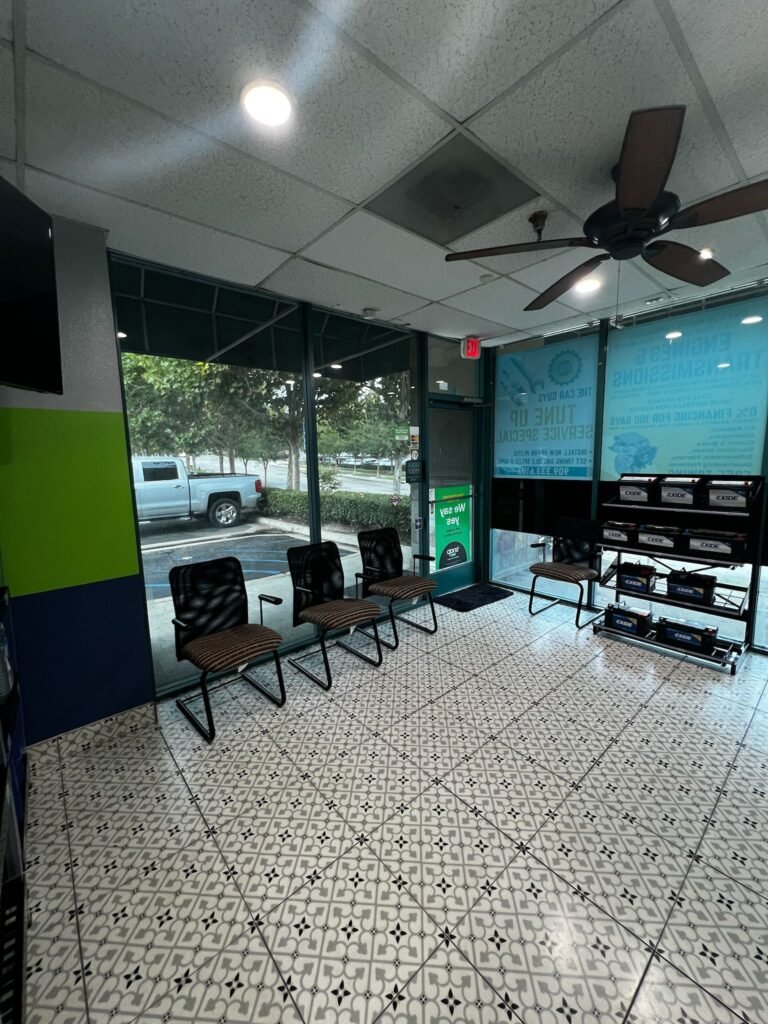
When it comes to vehicle safety, few systems are as crucial as your brakes. Whether you’re commuting to work, running errands, or embarking on a long road trip, reliable brakes are essential for protecting yourself, your passengers, and everyone else on the road. If you’ve ever searched for “brake repair near me” or “vehicle repair near me,” you’re not alone. Millions of drivers each year look for trustworthy, local mechanics to keep their cars running smoothly and safely.
This comprehensive guide will walk you through everything you need to know about brake repair, from understanding the signs of brake trouble to choosing the best local repair shop. We’ll also discuss the importance of regular maintenance, what to expect during a brake service, and how to ensure you’re getting the best value and service for your money.
Why Brake Repair Is So Important
Brakes are one of the most critical safety features of any vehicle. Without properly functioning brakes, your ability to stop safely is compromised, increasing the risk of accidents and injuries. Over time, brake pads, rotors, and other components wear down due to regular use. Neglecting brake maintenance can lead to more expensive repairs down the road, as well as dangerous driving conditions.
Key Functions of Your Vehicle’s Brakes
- Stopping Power: Brakes convert kinetic energy into heat, slowing and stopping your vehicle.
- Control: Good brakes allow you to control your speed and maneuver safely in traffic.
- Safety: Properly maintained brakes are essential for accident prevention.
- Longevity: Regular maintenance extends the life of your braking system and other vehicle components.
Common Signs You Need Brake Repair
Knowing when your brakes need attention can save you money and keep you safe. Here are some of the most common warning signs that it’s time to search for “brake repair near me”:
- Squeaking or Squealing Noises: High-pitched noises are often the first sign that your brake pads are worn and need replacement.
- Grinding Sounds: A grinding noise usually means the brake pads are completely worn down, and metal is contacting metal. This requires immediate attention.
- Vibrations: If you feel a vibration or pulsation in the brake pedal, it could indicate warped rotors.
- Soft or Spongy Brake Pedal: If your brake pedal feels soft or sinks to the floor, there may be air in the brake lines or a fluid leak.
- Warning Lights: Many modern vehicles have dashboard warning lights that indicate brake problems.
- Pulling to One Side: If your car pulls to one side when braking, it might be a sign of uneven brake pad wear or a problem with the brake caliper.
- Longer Stopping Distances: If your car takes longer to stop, your brakes may be worn or there could be an issue with the brake system.
If you experience any of these symptoms, it’s crucial to schedule a brake inspection as soon as possible.
How to Find the Best Brake Repair Near Me
With so many auto repair shops available, choosing the right one can feel overwhelming. Here’s how to narrow down your options and find a reputable, trustworthy service provider in your area:
1. Search Online and Read Reviews
- Use search engines and map apps to find “brake repair near me” and check customer reviews on Google, Yelp, and other platforms.
- Look for shops with high ratings and positive feedback about their expertise, professionalism, and pricing.
2. Ask for Recommendations
- Friends, family, and coworkers can often recommend reliable mechanics they trust.
3. Check Certifications
- Look for shops with ASE-certified technicians or affiliations with reputable organizations.
- Certification is a sign that the mechanics have undergone rigorous training and adhere to industry standards.
4. Get Multiple Quotes
- Don’t settle for the first quote you receive. Compare prices and services from several shops to ensure you’re getting a fair deal.
5. Ask About Warranties
- Reputable repair shops often provide warranties on parts and labor, giving you peace of mind.
6. Evaluate Customer Service
- Friendly, transparent communication is a good sign that the shop values its customers.
What to Expect During a Brake Repair Service
Understanding the brake repair process can help you feel more confident when you bring your car in for service. Here’s what typically happens:
1. Inspection
- The technician will inspect your entire braking system, including pads, rotors, calipers, brake lines, and fluid.
2. Diagnosis
- Using the inspection results, the mechanic will diagnose any issues and explain what needs to be repaired or replaced.
3. Estimate
- You’ll receive a written estimate outlining the necessary repairs, replacement parts, and labor costs.
4. Service
- Common brake repairs include replacing brake pads and rotors, resurfacing rotors, flushing brake fluid, and fixing leaks.
5. Test Drive
- After repairs, the technician will test drive your vehicle to ensure the brakes are functioning properly.
6. Final Check
- You’ll receive a final inspection report and a chance to ask any questions before leaving the shop.
Brake Repair Costs: What to Expect
The cost of brake repair can vary widely depending on your vehicle’s make and model, the extent of the damage, and the shop’s labor rates. Here’s a general breakdown:
- Brake Pad Replacement: $100–$300 per axle
- Rotor Replacement/Resurfacing: $150–$400 per axle
- Brake Caliper Replacement: $300–$800 per caliper
- Brake Fluid Flush: $70–$120
- Complete Brake Job: $300–$1,000+
Remember, these are average estimates. Luxury vehicles, performance cars, and trucks may have higher costs due to specialized parts and labor.
Benefits of Choosing a Local Brake Repair Shop
Searching for “brake repair near me” has several advantages over going to a dealership or a big-box chain:
- Convenience: Local shops are often closer to home and can offer quicker turnaround times.
- Personalized Service: Smaller shops may provide more personalized attention and build relationships with customers.
- Support Local Business: Choosing a local mechanic helps support your community’s economy.
- Competitive Pricing: Local shops may offer more competitive pricing and flexible payment options.
Regular Brake Maintenance: Why It Matters
Routine brake maintenance is the best way to avoid costly repairs and keep your vehicle safe. Here’s what you should do:
- Check Brake Pads: Have your brake pads inspected every 10,000–15,000 miles.
- Replace Brake Fluid: Brake fluid should be changed every 2–3 years, or as recommended by your manufacturer.
- Inspect Rotors: Rotors should be checked for wear and resurfaced or replaced as needed.
- Listen for Noises: Pay attention to any unusual sounds when braking and address them promptly.
- Monitor Brake Performance: If you notice any changes in braking performance, schedule an inspection right away.
Frequently Asked Questions About Brake Repair
Q: How often should I replace my brake pads?
A: Most brake pads last between 30,000 and 70,000 miles, but this can vary based on driving habits and vehicle type.
Q: Can I drive with worn-out brakes?
A: Driving with worn brakes is dangerous and can lead to accidents. Schedule repairs as soon as you notice any issues.
Q: How long does brake repair take?
A: Most brake repairs can be completed in a few hours, but more extensive work may take longer.
Q: Are OEM or aftermarket brake parts better?
A: OEM (Original Equipment Manufacturer) parts are made by your vehicle’s manufacturer, while aftermarket parts are made by third parties. Both can be high quality, but OEM parts may be more expensive.
Q: What’s included in a brake inspection?
A: A brake inspection typically includes checking pads, rotors, calipers, brake lines, and fluid levels.
Choosing Between Dealerships and Local Shops
Both dealerships and local repair shops have their pros and cons. Dealerships often have specialized knowledge of your vehicle make and model, but they can be more expensive. Local shops may offer better prices and personalized service. Consider your budget, the complexity of the repair, and your trust in the shop when making a decision.
Tips for Saving Money on Brake Repair
- Catch Issues Early: Addressing brake problems early can prevent more expensive repairs.
- Use Coupons and Promotions: Many shops offer discounts on brake services.
- Ask About Parts: Inquire about the quality and warranty of replacement parts.
- Bundle Services: Some shops offer package deals for multiple repairs or maintenance tasks.
The Importance of Timely Brake Repair
Delaying brake repairs can put you and others at risk. Worn brakes increase stopping distances and can lead to total brake failure. Regular inspections and timely repairs ensure that your vehicle remains safe and reliable.
What to Do in a Brake Emergency
If your brakes fail while driving:
- Stay calm and try to downshift to a lower gear.
- Pump the brake pedal to build up pressure.
- Use your emergency brake if necessary.
- Steer to the side of the road and stop as safely as possible