
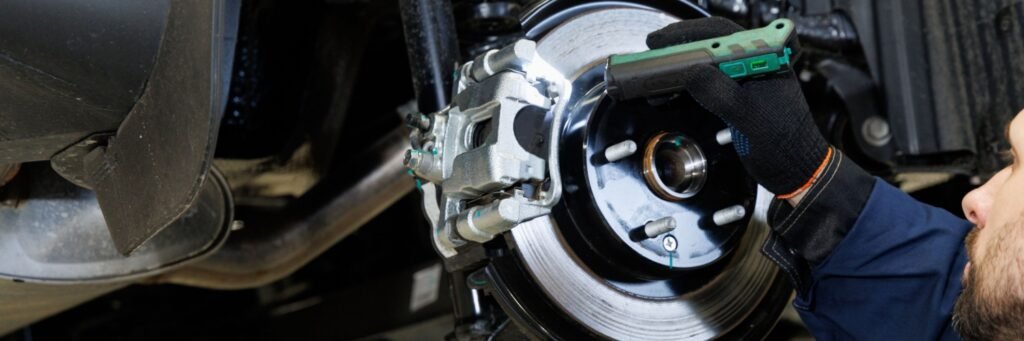
When it comes to vehicle maintenance, brake service is one of the most critical aspects of ensuring your safety on the road. Whether you drive in the city, suburbs, or rural areas, knowing where to find reliable brake service near you can save your life and prevent costly repairs down the line. This guide covers everything from understanding your brakes, spotting warning signs, finding trusted auto repair shops, to preventive care that extends the lifespan of your braking system.
Understanding Your Vehicle’s Brake System
Before diving into brake service options, it’s essential to understand how your vehicle’s brake system works. Most modern vehicles use a hydraulic braking system, which typically includes:
-
Brake Pads and Shoes: These create friction against the rotors or drums to slow down or stop the vehicle. Brake pads are usually found in disc brakes, while brake shoes are in drum brakes.
-
Brake Rotors and Drums: These components are attached to your wheels and interact with pads and shoes to stop the car.
-
Calipers and Wheel Cylinders: They apply pressure to the brake pads and shoes, ensuring effective friction.
-
Brake Lines and Fluid: These carry hydraulic fluid to activate the braking system.
-
Master Cylinder: This converts the pressure from your foot on the brake pedal into hydraulic pressure to stop the vehicle.
Understanding these parts helps you identify when you need professional brake service and what kind of service your car may require.
Common Brake Problems and Symptoms
Recognizing early signs of brake problems can prevent accidents and reduce repair costs. Here are some common warning signs that indicate it’s time to search for brake service near me:
-
Squeaking or Squealing Noises
This usually indicates worn brake pads. Most brake pads have a small metal wear indicator that makes a squealing noise when pads need replacing. -
Grinding Noise
A grinding sound typically means your brake pads are completely worn, and metal is rubbing against metal. Immediate brake service is crucial to avoid rotor damage. -
Spongy Brake Pedal
If your brake pedal feels soft or sinks toward the floor, it could indicate low brake fluid or air in the brake lines. -
Pulling to One Side
If your car pulls to one side when braking, it may be due to uneven brake pad wear or a stuck caliper. -
Vibrations or Pulsations
Vibrations when braking often indicate warped rotors, which can occur due to excessive heat or worn components. -
Warning Lights
Modern cars have brake warning lights on the dashboard. Ignoring these indicators can lead to brake failure.
Types of Brake Services
Brake service isn’t limited to replacing brake pads. Different types of services are available depending on your car’s condition:
1. Brake Inspection
A thorough inspection includes checking the brake pads, rotors, calipers, brake fluid, and lines. A professional technician identifies worn or damaged components and provides recommendations.
2. Brake Pad Replacement
Replacing worn brake pads is a common service that restores braking efficiency. High-quality brake pads last longer and provide better stopping power.
3. Brake Rotor Resurfacing or Replacement
Rotors can be resurfaced to remove minor grooves and restore smooth braking. Severely damaged rotors should be replaced to ensure safety.
4. Brake Fluid Flush
Brake fluid can absorb moisture over time, leading to reduced braking performance. Flushing the fluid ensures optimal hydraulic pressure and prevents corrosion.
5. Brake Caliper Service
Sticking or leaking calipers reduce braking efficiency. Service may include cleaning, lubrication, or replacement of the calipers.
6. Emergency Brake Service
The emergency brake or parking brake may need adjustments or repair to ensure it functions correctly when parking or in emergencies.
How to Find Brake Service Near Me
Finding a reliable auto repair shop for brake service is easier when you know what to look for. Here are key tips:
1. Search Online
Type “brake service near me” or “auto repair near me” in search engines or maps apps to find local shops. Check reviews and ratings to gauge customer satisfaction.
2. Ask for Recommendations
Friends, family, or coworkers who drive similar vehicles may recommend trusted mechanics or repair shops.
3. Check Certifications
Look for shops with ASE-certified technicians. Certifications indicate professional training and experience.
4. Evaluate Experience
Shops that specialize in brake services and have years of experience with your car type are more likely to provide quality service.
5. Compare Prices
Request quotes from multiple shops. Beware of prices that are too low—they may indicate low-quality parts or service.
6. Visit the Shop
A visit can give you a sense of professionalism, cleanliness, and how the staff communicates with customers.
Benefits of Professional Brake Service
Professional brake service offers many advantages over DIY repairs:
-
Enhanced Safety: Trained technicians ensure all components meet safety standards.
-
Longevity of Brakes: Proper installation and maintenance extend the life of your pads, rotors, and calipers.
-
Warranty Protection: Many professional shops offer warranties on parts and labor.
-
Advanced Equipment: Professional shops have specialized tools for accurate diagnosis and repairs.
-
Time-Saving: Brake repairs can be complex; professionals complete the job efficiently.
Cost of Brake Service
The cost of brake service varies depending on the vehicle make, type of service, and location. Here’s a general estimate:
| Service Type | Average Cost (USD) |
|---|---|
| Brake Pad Replacement | $100 – $300 |
| Rotor Resurfacing | $30 – $75 per rotor |
| Rotor Replacement | $200 – $400 |
| Brake Fluid Flush | $70 – $120 |
| Caliper Replacement | $150 – $300 per caliper |
Keep in mind that prices may fluctuate based on local labor rates, parts quality, and car models.
Preventive Tips for Long-Lasting Brakes
Preventing brake problems is always better than repairing them. Here are some tips:
-
Drive Smoothly: Avoid sudden stops and aggressive driving, which wear brake pads faster.
-
Check Brake Fluid: Regularly inspect fluid levels and top off as needed.
-
Listen for Noises: Don’t ignore squeaks or unusual sounds—they are early warnings.
-
Inspect Tires: Uneven tire wear can affect braking performance.
-
Follow Maintenance Schedule: Refer to your car’s owner manual for recommended brake inspections and service intervals.
How Often Should You Service Your Brakes?
Brake service frequency depends on your driving habits, car model, and type of brakes:
-
Brake Pads: Typically every 25,000 – 70,000 miles.
-
Rotors: Every 50,000 – 70,000 miles or as needed.
-
Brake Fluid: Every 2 years or 30,000 miles.
-
Full Brake Inspection: At least once a year or during routine maintenance.
Ignoring these intervals can lead to decreased performance and expensive repairs.
Choosing the Right Auto Repair Shop
When selecting an auto repair shop near you, consider:
-
Reputation: Check Google reviews, Yelp, and social media feedback.
-
Certifications: ASE certification and manufacturer endorsements ensure professionalism.
-
Warranty: Verify parts and labor warranties.
-
Transparency: Choose shops that explain issues and offer clear estimates.
-
Convenience: Location, operating hours, and appointment availability matter.
Red Flags to Avoid
Not all auto repair shops provide reliable service. Avoid shops that:
-
Offer extremely low prices without explanation.
-
Refuse to provide written estimates.
-
Pressure you into unnecessary repairs.
-
Lack proper certifications or clean facilities.
Brake Service for Different Vehicle Types
Different vehicles require specialized brake services:
1. Sedans and Compact Cars
Brake pad replacement and rotor resurfacing are usually straightforward and affordable.
2. SUVs and Trucks
Heavier vehicles may require heavy-duty brake pads, larger rotors, and stronger calipers.
3. Electric and Hybrid Cars
These often use regenerative braking systems, which may require specialized technicians for brake maintenance.
4. Luxury Vehicles
High-performance brakes may involve ceramic pads or advanced braking systems, requiring specialized tools and expertise.
Emergency Brake Services
Brake emergencies can occur unexpectedly. Signs that require immediate attention include:
-
Brake pedal goes to the floor.
-
Sudden loss of braking power.
-
Unusual noises combined with fluid leaks.
In such cases, search for 24/7 brake service near me or contact your nearest emergency auto repair service.
The Environmental Impact of Brake Maintenance
Proper brake maintenance isn’t just about safety—it also helps the environment:
-
Reduces Brake Dust: Worn brakes create dust that contributes to air pollution.
-
Prevents Fluid Leaks: Leaking brake fluid can contaminate soil and water.
-
Extends Vehicle Lifespan: Well-maintained brakes reduce wear on other vehicle components, minimizing waste.
Local Brake Service Options
Most communities offer various brake service options:
-
Dealerships: Offer specialized service for specific car brands with OEM parts.
-
Independent Auto Repair Shops: Often more affordable and flexible.
-
Mobile Mechanics: Provide on-site brake inspections and minor repairs.
-
Chain Auto Service Centers: Convenient, reliable, often offering warranties.
How to Book Brake Service Near Me
Booking a service is simple:
-
Call or Visit Websites: Many shops allow online appointments.
-
Provide Vehicle Details: Include make, model, year, and mileage.
-
Describe Symptoms: Mention any noises, vibrations, or warning lights.
-
Confirm Services and Costs: Get a clear estimate before authorizing work.
Conclusion
Finding brake service near me ensures your vehicle remains safe, reliable, and efficient. From recognizing early signs of brake wear to choosing the right repair shop, proper maintenance protects you, your passengers, and your investment. Whether it’s a simple brake pad replacement, rotor resurfacing, or a full brake system overhaul, working with certified professionals guarantees quality service and peace of mind.
Remember, your brakes are literally your vehicle’s most important safety feature. Don’t wait for a warning light or squeak to act—schedule regular inspections and maintenance to ensure your car stops safely every time.