
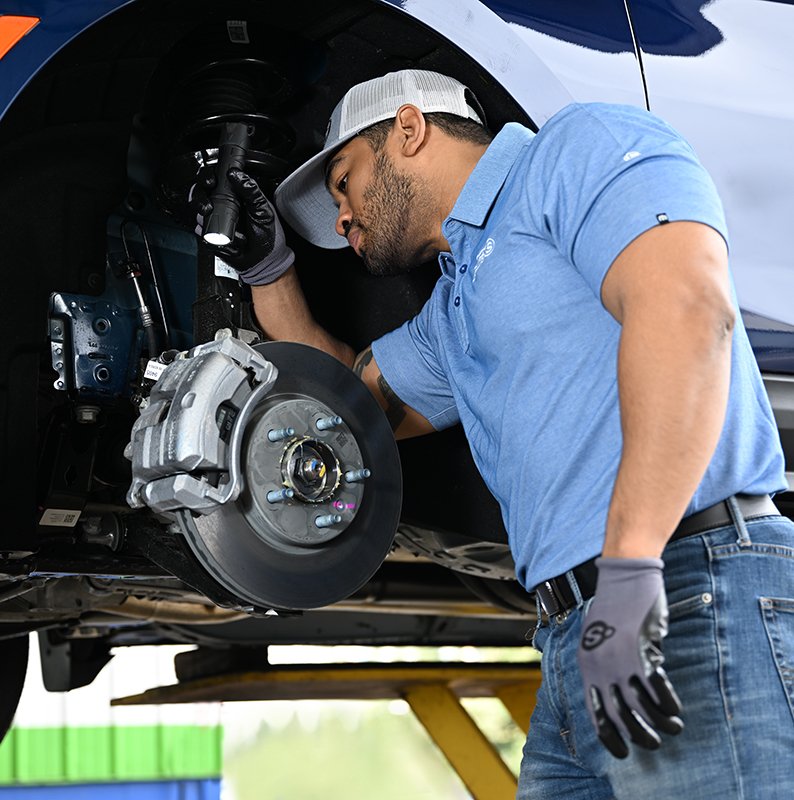
In the fast-paced world of commuting and travel, vehicle safety is paramount. Among the many components that keep a car running efficiently, the braking system stands out as one of the most critical. Proper brake maintenance not only ensures smooth driving but also prevents accidents and costly repairs. Searching for “brake service near me” often brings up numerous auto repair service providers, but how do you choose the right one? This comprehensive guide explores everything you need to know about brake services, why they are important, what they include, how to find trusted auto repair shops, and tips for maintaining your brakes.
1. Understanding the Importance of Brake Service
The brake system is your car’s most important safety feature. It helps slow down or stop your vehicle when needed, preventing collisions and ensuring driver and passenger safety. Over time, brake components wear down due to friction, heat, and environmental conditions. Regular brake service ensures:
- Optimal Performance: Timely inspections and replacements keep brakes functioning efficiently.
- Safety: Worn brakes increase stopping distance, posing a serious risk.
- Cost Savings: Early detection of issues prevents expensive repairs later.
- Compliance: Some states require periodic brake checks for vehicle inspection.
Neglecting brake maintenance can lead to dangerous situations such as brake failure, which could cause severe accidents. Thus, consistent service is non-negotiable.
2. What Does Brake Service Include?
When you visit an auto repair shop for brake service, technicians typically follow a detailed checklist to ensure your entire braking system is in proper working order. Services may include:
2.1. Brake Inspection
- Checking brake pads and shoes for wear.
- Inspecting rotors or drums for scoring or warping.
- Examining brake lines for leaks or corrosion.
- Measuring brake fluid levels and quality.
2.2. Brake Pad and Shoe Replacement Brake pads and shoes wear down due to friction and need replacing every 30,000-70,000 miles, depending on driving conditions and vehicle type.
2.3. Rotor and Drum Resurfacing or Replacement
- Rotors and drums can develop grooves or warp over time.
- Resurfacing smooths the surface, while replacement ensures longevity if wear is excessive.
2.4. Brake Fluid Flush and Replacement
- Brake fluid absorbs moisture over time, reducing effectiveness.
- Flushing the system and adding new fluid ensures optimal hydraulic pressure.
2.5. Caliper and Cylinder Inspection
- Ensuring calipers and wheel cylinders are functioning correctly.
- Checking for leaks or sticking components.
2.6. ABS (Anti-lock Braking System) Diagnosis
- Modern vehicles feature ABS to prevent wheel lockup.
- Technicians check sensors, modules, and related wiring.
These services ensure every component works harmoniously for reliable stopping power.
3. Signs Your Car Needs Brake Service
Knowing when to seek brake service can save you from costly repairs and dangerous driving conditions. Look out for these warning signs:
- Squealing or Grinding Noises: Indicates worn pads or metal-to-metal contact.
- Soft or Spongy Pedal: May signal air in brake lines or fluid issues.
- Vibration or Pulsation: Warped rotors often cause this feeling during braking.
- Pulling to One Side: Uneven wear or caliper problems can cause directional pulling.
- Dashboard Warning Lights: ABS or brake warning indicators should never be ignored.
- Burning Smell: Could indicate overheating brakes, often due to aggressive driving or mechanical issues.
Early detection prevents minor issues from escalating into major repairs.
4. How to Find the Best Brake Service Near Me
Searching for “brake service near me” brings multiple results, but not all auto repair shops are equal. Here’s how to choose the best one:
4.1. Reputation and Reviews
- Check Google, Yelp, and BBB reviews.
- Look for consistent positive feedback and customer satisfaction.
4.2. Certifications and Expertise
- Choose ASE-certified mechanics.
- Shops specializing in brakes or offering comprehensive services indicate expertise.
4.3. Transparency and Pricing
- Reputable shops provide clear estimates and explain necessary work.
- Watch out for hidden fees or upselling tactics.
4.4. Warranty and Guarantees
- A good shop offers warranties on parts and labor.
- Guarantees show confidence in their service.
4.5. Location and Convenience
- Proximity matters for emergency repairs.
- Some shops offer shuttle service or loaner cars.
4.6. Technology and Equipment
- Modern diagnostic tools ensure accurate assessments.
- Quality parts and equipment enhance safety and performance.
4.7. Customer Service
- Friendly and professional staff reflect shop quality.
- Open communication builds trust.
5. DIY vs. Professional Brake Service
Some drivers attempt DIY brake repairs to save money. While basic tasks like checking fluid levels are manageable, brake systems are complex and safety-critical. Here’s why professional service is recommended:
Advantages of Professional Brake Service:
- Access to specialized tools and equipment.
- Expert knowledge of braking systems.
- Proper disposal of hazardous materials like brake fluid.
- Warranties on work performed.
Risks of DIY Brake Work:
- Incorrect installation can cause accidents.
- Limited ability to diagnose underlying issues.
- Time-consuming without proper expertise.
For safety and peace of mind, entrust brake service to qualified professionals.
6. Cost of Brake Service
Brake service costs vary depending on the vehicle, parts used, and extent of work required. Average costs include:
- Brake Pad Replacement: $150–$300 per axle.
- Rotor Resurfacing or Replacement: $200–$400 per axle.
- Brake Fluid Flush: $70–$120.
- Complete Brake Service: $500–$800 for full system maintenance.
Factors Affecting Cost:
- Vehicle make and model.
- OEM vs. aftermarket parts.
- Labor rates by location.
- Additional repairs such as calipers or hoses.
To avoid surprises, request detailed estimates upfront.
7. Brake Maintenance Tips for Longevity
Preventive care helps extend the life of your braking system. Follow these maintenance tips:
- Drive Smoothly: Avoid hard braking unless necessary.
- Check Brake Fluid Regularly: Maintain proper levels and replace as recommended.
- Inspect Brakes Periodically: At least every 12,000 miles or annually.
- Keep Wheels Clean: Dirt and debris can affect brake components.
- Address Issues Promptly: Don’t ignore unusual sounds or sensations.
By being proactive, you save money and ensure safer driving.
8. The Future of Brake Service
As vehicles evolve, brake systems are becoming more advanced:
- Regenerative Braking: Electric and hybrid cars use regenerative brakes to improve efficiency.
- Brake-by-Wire: Some modern cars replace hydraulic systems with electronic controls.
- Advanced Diagnostics: Real-time sensors monitor brake health and alert drivers early.
Choosing a shop familiar with modern technologies is crucial for newer vehicles.
Conclusion
Brake service is not just about replacing pads; it’s about ensuring your vehicle’s safety and performance. Whether it’s routine inspections or complete brake system overhauls, having a reliable auto repair service nearby is essential. By recognizing signs of wear, choosing qualified professionals, and maintaining your system, you can avoid costly breakdowns and drive with confidence. The next time you search for “brake service near me,” use the tips outlined here to select a trustworthy shop that keeps your car safe and efficient for years to come.