
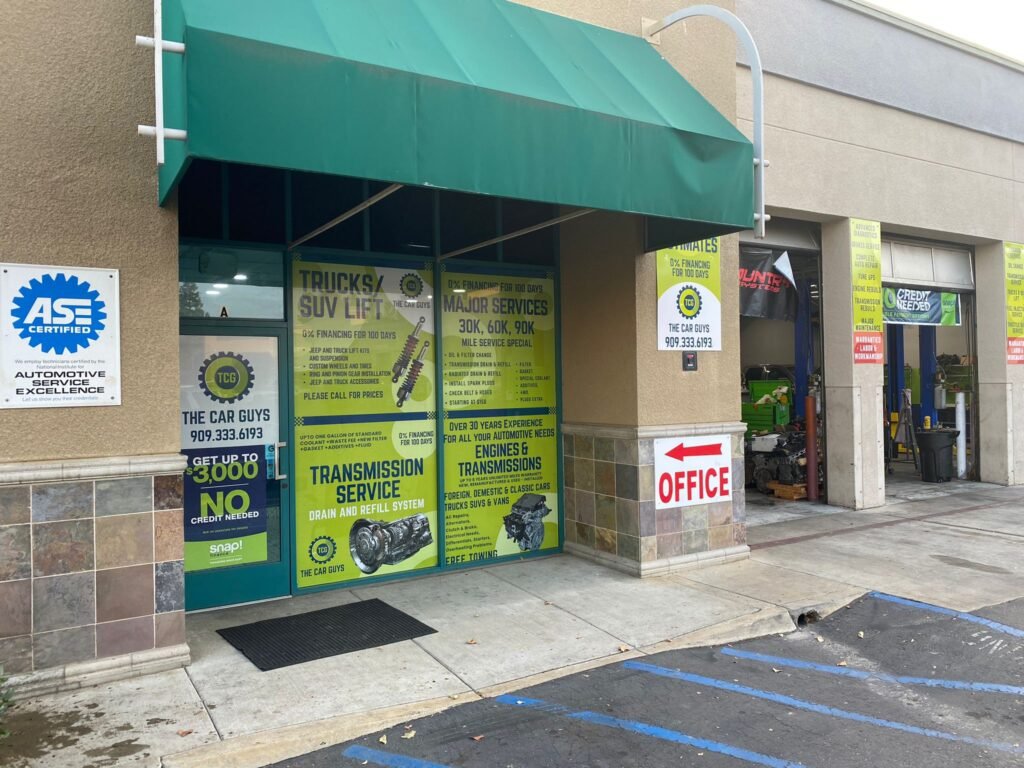
When it comes to the safety of your vehicle, brake service is one of the most crucial aspects of automotive maintenance. Your brakes are not just another system — they are the difference between safety and danger, between control and chaos. If you’ve ever searched online for “brake service near me” or “automotive repair near me,” you already understand how important it is to find a reliable, professional mechanic who can keep your vehicle’s braking system in top shape.
In this detailed guide, we’ll explore everything you need to know about brake services — what they include, why they matter, how to recognize brake problems, and how to choose the best automotive repair shop near you. Whether you drive a compact car, SUV, or heavy-duty truck, regular brake maintenance ensures optimal safety, smooth driving, and peace of mind.
1. Understanding the Importance of Brake Service
Your car’s brakes are a complex system designed to stop your vehicle safely and efficiently. Over time, wear and tear naturally degrade the braking components — brake pads, rotors, calipers, and brake fluid — reducing their effectiveness. Without proper maintenance, these issues can lead to longer stopping distances, noisy brakes, and even brake failure.
Every time you step on the brake pedal, hydraulic pressure is created in the braking system, causing the brake pads to clamp onto the rotors. This friction slows and stops your wheels. But with thousands of stops made over the course of a year, that friction wears down the parts.
Regular brake service ensures that every part of the braking system functions properly. A professional mechanic will check for wear, replace components when necessary, and flush the brake fluid to remove contaminants.
The result? Enhanced safety, better braking performance, and fewer costly repairs down the road.
2. What Does Brake Service Include?
A typical brake service near you can vary depending on your vehicle and the shop you visit. However, most reputable automotive repair centers offer comprehensive brake inspections and repairs that include the following:
A. Brake Inspection
This is the first step in any brake service. The technician examines:
-
Brake pads and shoes for wear
-
Rotors or drums for damage or warping
-
Calipers for leaks or sticking
-
Brake lines for cracks or leaks
-
Brake fluid level and quality
-
Brake pedal response and feel
An inspection helps identify issues before they become serious.
B. Brake Pad Replacement
Brake pads are the most frequently replaced component. They press against the rotors to stop the wheels. Worn-out pads cause squealing noises, reduced braking power, and damage to rotors. Most vehicles need new brake pads every 25,000 to 70,000 miles, depending on driving habits and materials used.
C. Rotor Resurfacing or Replacement
Rotors can become grooved, warped, or uneven due to heat and friction. Machining or resurfacing them can restore a smooth braking surface, but if they’re too thin or damaged, replacement is the best option.
D. Brake Fluid Exchange
Brake fluid absorbs moisture over time, reducing its effectiveness. Old fluid can cause spongy brake pedals or even system corrosion. Most manufacturers recommend replacing brake fluid every 2 years or 30,000 miles.
E. Caliper and Hose Maintenance
Calipers apply pressure to the pads, and hoses transfer brake fluid. Mechanics ensure these parts aren’t leaking or sticking. Proper caliper function ensures even braking and consistent pressure.
F. Anti-lock Braking System (ABS) Diagnostics
Modern vehicles include ABS, which prevents wheel lockup during emergency braking. If your ABS warning light is on, a diagnostic scan can identify issues in sensors, wiring, or modules.
3. Common Signs You Need Brake Service
Ignoring brake problems can be dangerous. Here are some clear signs that you need to search for “brake service near me” right away:
1. Squealing or Grinding Noises
High-pitched squeals often indicate worn-out brake pads. Grinding sounds suggest metal-on-metal contact — a serious issue that can damage rotors.
2. Vibration When Braking
If your steering wheel or brake pedal vibrates when braking, it might mean your rotors are warped or unevenly worn.
3. Soft or Spongy Brake Pedal
This can indicate air in the brake lines or low brake fluid — both serious issues that need immediate attention.
4. Car Pulls to One Side
Uneven brake pad wear, a stuck caliper, or hydraulic issues can cause your car to veer when braking.
5. Longer Stopping Distance
If it takes longer than usual to stop, your brake system is losing efficiency. Get it inspected before it leads to an accident.
6. Dashboard Brake Warning Light
If your brake or ABS light comes on, don’t ignore it. It signals a problem in the braking system that requires professional diagnostics.
4. Why Regular Brake Maintenance Saves Money
Some drivers skip routine brake inspections, thinking it saves money. In reality, the opposite is true. Neglecting your brakes leads to expensive repairs and compromised safety.
Here’s how regular automotive repair and brake service can save you money:
-
Prevents major damage: Replacing worn brake pads early prevents rotor and caliper damage.
-
Improves fuel efficiency: Efficient brakes reduce drag, helping your car move more smoothly.
-
Reduces accidents: Well-maintained brakes can prevent costly collisions and insurance claims.
-
Extends vehicle lifespan: Keeping every system in good shape means fewer breakdowns and better resale value.
A small investment in routine brake care can prevent thousands of dollars in future repairs.
5. Types of Brake Systems in Modern Vehicles
Before visiting an automotive repair shop near you, it’s helpful to understand the type of brake system your vehicle uses:
A. Disc Brakes
Most modern cars use disc brakes on all four wheels. They feature a rotor, caliper, and brake pads. They offer strong, consistent stopping power and perform well under heat.
B. Drum Brakes
Older vehicles and some rear-wheel systems still use drum brakes. They are cost-effective but less efficient at heat dissipation.
C. Anti-Lock Braking System (ABS)
ABS prevents wheel lockup by automatically modulating brake pressure during emergency stops. This system enhances control and stability, especially on slippery surfaces.
D. Electronic Parking Brake
Many new vehicles have electronic parking brakes instead of manual levers. These require special diagnostic tools for servicing, so always visit a qualified automotive repair shop.
6. Choosing the Right Brake Service Near You
When searching for “automotive repair near me” or “brake service near me,” it’s important to find a trustworthy, experienced repair center. Here are some tips for choosing the best one:
1. Check Certifications
Look for ASE (Automotive Service Excellence) certified technicians. Certification ensures they have the skills and training to perform high-quality brake work.
2. Read Online Reviews
Customer feedback on Google, Yelp, or social media can reveal the shop’s reputation, pricing transparency, and quality of service.
3. Ask About Warranties
A reputable repair shop stands behind its work. Many offer warranties on brake parts and labor, giving you confidence in their service.
4. Compare Quotes
Get quotes from multiple shops. Be wary of prices that seem unusually low — they may indicate cheap parts or rushed work.
5. Inquire About Equipment
Modern vehicles require advanced diagnostic tools. Ensure the shop uses up-to-date equipment for ABS and electronic systems.
6. Customer Service
Friendly, honest communication is key. A good repair shop explains issues clearly and provides detailed estimates before beginning any work.
7. DIY Brake Checks You Can Do at Home
While major brake work should be left to professionals, you can perform basic checks at home to monitor brake health:
-
Listen for noises: Squealing or grinding means it’s time for a checkup.
-
Check fluid levels: Low brake fluid might signal a leak or worn pads.
-
Look through the wheels: You can often see how thick your brake pads are. If they’re less than 1/4 inch thick, it’s time for replacement.
-
Test braking performance: If your car drifts, vibrates, or feels soft under braking, visit a mechanic immediately.
8. The Process of Professional Brake Service
When you take your car to an automotive repair shop near you, here’s what typically happens:
-
Initial Inspection: The mechanic visually inspects the brakes and tests them on the road.
-
Brake System Diagnosis: They check hydraulic pressure, brake fluid, and ABS sensors.
-
Disassembly: The wheels are removed, and the braking components are inspected for wear and damage.
-
Replacement/Resurfacing: Worn parts like pads and rotors are replaced or resurfaced.
-
Brake Fluid Service: Old fluid is flushed out and replaced with new fluid.
-
Reassembly and Testing: The system is reassembled and tested for proper operation and safety.
This process ensures that every component works perfectly before your vehicle is returned to you.
9. Average Cost of Brake Service Near You
Brake service costs can vary widely depending on your car’s make, model, and the extent of repairs needed. Here’s a rough estimate:
| Service Type | Average Cost (Per Axle) |
|---|---|
| Brake Pad Replacement | $120 – $300 |
| Rotor Resurfacing | $100 – $250 |
| Rotor Replacement | $250 – $500 |
| Brake Fluid Flush | $75 – $150 |
| Full Brake Job (Pads, Rotors, Fluid) | $300 – $800 |
Luxury or performance vehicles may cost more due to specialized parts and systems.
10. How Often Should You Get Brake Service?
Brake maintenance frequency depends on your driving habits, vehicle type, and environment. Here are general guidelines:
-
City drivers: Frequent stop-and-go traffic wears brakes faster. Service every 25,000–35,000 miles.
-
Highway drivers: Brakes last longer; service every 40,000–60,000 miles.
-
Heavy vehicles: SUVs and trucks carrying heavy loads need more frequent inspections.
-
Annual check: Always include a brake inspection in your yearly maintenance routine.
11. The Role of Brake Fluid and Why It Matters
Brake fluid is often overlooked but essential for brake performance. It transfers force from your foot to the brakes. Over time, brake fluid absorbs moisture, reducing its boiling point and efficiency.
Signs you may need a brake fluid change:
-
The fluid looks dark or cloudy.
-
Your brake pedal feels soft.
-
The brake warning light turns on.
Flushing the brake system ensures consistent performance and prevents corrosion in critical components.
12. How Weather Affects Your Brakes
Weather plays a significant role in brake performance:
-
Cold weather: Can cause brake fluid thickening and reduced responsiveness.
-
Hot weather: Increases the risk of brake fade due to overheating.
-
Rain or humidity: Can lead to rust or reduced friction on pads and rotors.
Regular automotive repair service ensures your brakes are adjusted and prepared for seasonal changes.
13. The Dangers of Neglecting Brake Service
Skipping brake maintenance might seem harmless at first, but it poses serious risks:
-
Brake failure: Worn pads or leaking fluid can lead to total loss of braking power.
-
Costly damage: Ignoring small issues can destroy rotors and calipers, leading to expensive repairs.
-
Accidents: Reduced stopping distance increases the risk of collisions.
-
Legal issues: Unsafe vehicles can fail inspections or lead to fines after accidents.
Preventing these dangers starts with routine brake service near you at a trusted automotive repair shop.
14. Benefits of Professional Brake Service
When you rely on certified technicians for brake maintenance, you gain:
-
Expert diagnostics with advanced tools.
-
High-quality replacement parts designed for your specific vehicle.
-
Precision and safety assurance backed by experience.
-
Peace of mind knowing your vehicle is safe for every drive.
Professional service ensures optimal braking power and consistent reliability.
15. Environmental Impact of Brake Maintenance
Brake dust and worn materials can contribute to air and water pollution. Modern automotive repair shops use eco-friendly materials like ceramic brake pads that produce less dust and last longer.
Proper maintenance reduces waste, keeps your car efficient, and minimizes your environmental footprint.
16. How to Find the Best “Brake Service Near Me”
Here’s a simple checklist to help you find the right automotive repair near you:
-
Search online for “brake repair near me” and check map listings.
-
Read Google reviews and star ratings.
-
Visit shop websites to compare services and warranties.
-
Ask about same-day service availability.
-
Look for clean, organized facilities — a sign of professionalism.
-
Verify that the shop works on your specific vehicle brand.
The best shops combine transparent pricing, skilled technicians, and excellent customer service.
17. Recommended Questions to Ask Your Mechanic
Before approving any brake service, ask these questions:
-
What parts are being replaced, and why?
-
Are the replacement parts OEM (original) or aftermarket?
-
What’s the warranty on the new parts and labor?
-
How long will the repair take?
-
Can you provide a written estimate?
Good mechanics will explain every step clearly and welcome your questions.
18. The Connection Between Brakes and Other Systems
Your braking system doesn’t work in isolation. It interacts with:
-
Tires: Worn tires reduce grip and extend braking distance.
-
Suspension: A weak suspension affects brake stability.
-
Wheel alignment: Misalignment can cause uneven pad wear.
-
ABS and traction control: Electronic systems that rely on precise brake function.
That’s why comprehensive automotive repair near you should include full-system inspections.
19. Brake Upgrades for Performance Vehicles
For drivers who want better performance, several upgrade options exist:
-
Ceramic pads: Quieter, cleaner, and longer-lasting.
-
Drilled or slotted rotors: Improve cooling and reduce brake fade.
-
Stainless steel brake lines: Offer firmer pedal feel and better durability.
-
High-performance fluids: Maintain performance under extreme heat.
Consult your mechanic before installing upgrades to ensure compatibility and safety.
20. Conclusion: Safety Starts with Reliable Brake Service
Your brakes are your vehicle’s most critical safety system. Regular maintenance ensures smooth, controlled stops and protects everyone on the road. Whether you’re searching for “brake service near me” or “automotive repair near me,” choosing a trusted local shop makes all the difference.
From basic brake pad replacements to full-system diagnostics, professional brake service keeps your car reliable, efficient, and ready for every journey. Don’t wait until you hear a squeal or feel a vibration — schedule your brake inspection today and drive with confidence, knowing your safety is in expert hands.
Final Word
When it comes to your vehicle’s performance and safety, compromise is not an option. Trust your local automotive repair specialists to deliver expert brake service near you that ensures peace of mind every mile of the way. Regular maintenance not only saves money but also safeguards lives — including your own.