
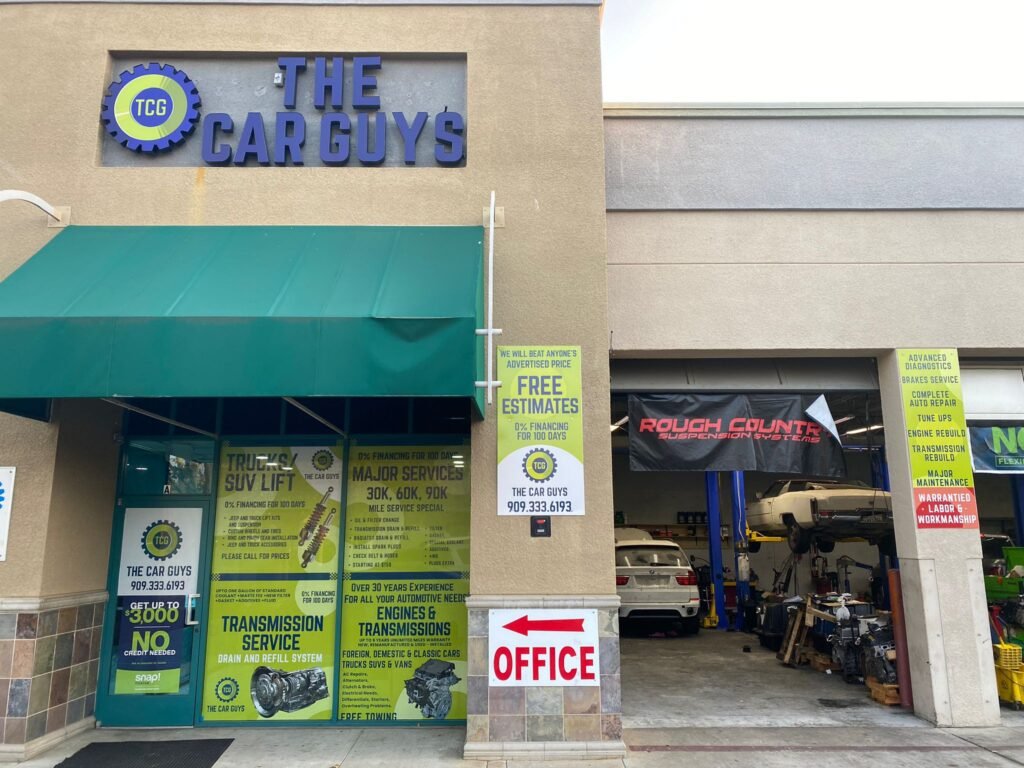
When it comes to keeping your vehicle in safe and optimal condition, few components are as important as your brakes. Your car’s braking system is what allows you to stop safely, avoid accidents, and maintain full control on the road. Whether you drive a compact sedan, SUV, or heavy-duty truck, timely brake inspections and maintenance are essential. If you’ve ever searched online for “Brake Service Near Me” or “Car Repair Shops Near Me,” you already know that finding a reliable local auto repair shop can make all the difference in your driving experience and safety.
In this comprehensive guide, we’ll explore everything you need to know about brake services — including how the braking system works, warning signs of brake problems, the types of brake repairs available, what to expect during a brake inspection, and how to choose the best car repair shop near you.
1. Why Brake Service Matters
Your car’s brakes are more than just a safety feature; they are an integral part of your vehicle’s overall performance. When brakes are functioning properly, they give you confidence behind the wheel. However, when neglected, worn-out brakes can increase stopping distance, reduce handling control, and lead to dangerous driving situations.
1.1 Safety First
A well-maintained braking system ensures that your vehicle can stop effectively in various driving conditions — whether it’s rain, snow, or heavy traffic. Poor brakes increase the risk of collisions and can even lead to costly repairs if other components are affected.
1.2 Preventing Costly Damage
Neglecting brake maintenance can cause other parts — such as rotors, calipers, and wheel bearings — to wear out prematurely. Addressing small issues early can prevent bigger mechanical failures later.
1.3 Enhancing Vehicle Longevity
Routine brake service is an investment in your car’s longevity. When you maintain your brakes properly, you reduce strain on your suspension, tires, and drivetrain, helping the vehicle run more smoothly overall.
2. How the Brake System Works
Understanding the basics of how your car’s braking system functions can help you appreciate why maintenance is so critical.
2.1 The Components of a Typical Brake System
A standard modern braking system includes:
-
Brake Pedal: The part you press to initiate braking.
-
Master Cylinder: Converts your foot pressure into hydraulic pressure.
-
Brake Lines: Carry brake fluid to the wheels.
-
Brake Calipers: Apply pressure to the brake pads.
-
Brake Pads: Create friction against the rotors to slow the wheels.
-
Rotors (Discs): Metal discs that the brake pads grip to slow or stop wheel motion.
-
Brake Fluid: Transfers force through the hydraulic system.
2.2 How Hydraulic Brakes Function
When you step on the brake pedal, it activates the master cylinder, which pushes brake fluid through the lines to each wheel. The calipers clamp the brake pads onto the rotors, generating friction that slows the vehicle.
2.3 Types of Brake Systems
Most vehicles today use disc brakes, but some older or economy models still feature drum brakes in the rear. High-performance vehicles may use ABS (Anti-lock Braking Systems) or EBS (Electronic Braking Systems) for better control and safety.
3. Signs You Need Brake Service
It’s essential to recognize the early warning signs that indicate your brakes need attention. Ignoring these can lead to expensive repairs or dangerous driving conditions.
3.1 Squealing or Grinding Noises
A high-pitched squeal when you brake usually means your brake pads are worn down. If you hear grinding, it could mean the pads are completely gone and the metal backing is contacting the rotor — a serious issue requiring immediate service.
3.2 Vibration or Pulsation
If you feel vibrations in the brake pedal or steering wheel when braking, it could indicate warped rotors or uneven pad wear.
3.3 Soft or Spongy Pedal
A soft brake pedal that sinks easily to the floor often signals air or moisture in the brake lines, or a possible fluid leak.
3.4 Warning Lights
Modern vehicles have dashboard indicators for brake system issues, such as the ABS or brake warning light. Never ignore these alerts.
3.5 Longer Stopping Distance
If your car takes longer to stop than usual, your brakes may be worn or the fluid may be contaminated.
3.6 Pulling to One Side
If your car veers left or right when braking, it could indicate uneven pad wear or caliper issues.
4. Common Types of Brake Services
Brake maintenance can include a range of services depending on the issue and your vehicle’s design. Here are the most common ones offered by car repair shops near you.
4.1 Brake Pad Replacement
This is the most frequent brake service. Brake pads wear down over time due to friction and must be replaced to maintain safe braking performance.
4.2 Rotor Resurfacing or Replacement
Rotors can warp or become uneven over time. Some can be resurfaced, but if they’re too thin or damaged, they must be replaced.
4.3 Brake Fluid Flush
Brake fluid absorbs moisture over time, which reduces its efficiency. A full fluid flush removes old, contaminated fluid and replaces it with new, clean fluid.
4.4 Caliper Repair or Replacement
Calipers can seize or leak, causing uneven braking. Professional technicians can repair or replace faulty calipers.
4.5 Brake Line Service
If your brake lines are leaking or corroded, they can cause pressure loss. This is a serious issue that should be repaired immediately.
4.6 ABS Diagnosis and Repair
If your vehicle’s anti-lock braking system malfunctions, a qualified technician can scan for error codes and perform necessary repairs.
5. What Happens During a Professional Brake Inspection
When you take your car to a trusted repair shop for a brake service or inspection, the process typically includes several key steps.
-
Visual Inspection: Technicians check the condition of pads, rotors, and calipers.
-
Measurement of Pad Thickness: Ensures pads have adequate material remaining.
-
Rotor Evaluation: Measures rotor thickness and checks for warping or scoring.
-
Brake Fluid Check: Tests for contamination and proper levels.
-
Line and Hose Inspection: Identifies leaks, corrosion, or wear.
-
Test Drive: Evaluates real-world brake performance.
A good car repair shop will provide you with a detailed report outlining the condition of your braking components and recommendations for maintenance or repair.
6. The Cost of Brake Service Near Me
Brake service costs can vary widely depending on vehicle type, materials, and local labor rates.
6.1 Average Brake Pad Replacement Cost
-
Standard Cars: $150–$300 per axle
-
Luxury or Performance Vehicles: $300–$800 per axle
6.2 Rotor Resurfacing or Replacement
-
Resurfacing: $40–$100 per rotor
-
Replacement: $200–$500 per axle
6.3 Brake Fluid Flush
-
Typical Cost: $80–$150
6.4 Full Brake System Overhaul
-
Complete Job: $600–$1,200+, depending on the vehicle and parts quality
While these prices may vary, choosing a reputable shop ensures you get reliable work and quality parts that keep you safe on the road.
7. How to Choose the Best Car Repair Shop Near Me
When searching online for “Brake Service Near Me” or “Car Repair Shops Near Me,” the number of options can be overwhelming. Here are some tips for finding the right one.
7.1 Check Certifications
Look for ASE-certified technicians (Automotive Service Excellence). This ensures the mechanics are trained and tested in their field.
7.2 Read Reviews and Ratings
Google, Yelp, and local directories provide insights from other customers. Look for consistent positive feedback on service quality, honesty, and pricing.
7.3 Ask About Warranties
A reliable shop should offer warranties on both parts and labor. This demonstrates confidence in their workmanship.
7.4 Compare Estimates
Get multiple quotes before committing to a repair. Be wary of prices that seem unusually low — they may indicate inferior parts or rushed service.
7.5 Visit the Shop
A clean, organized facility with professional staff is often a good indicator of reliable service.
7.6 Look for Specialization
Some shops specialize in certain vehicle brands or types. If you drive a European or luxury car, you may benefit from a shop experienced with your make and model.
8. The Benefits of Local Car Repair Shops
While large dealership service centers are one option, local independent car repair shops often provide several key advantages.
8.1 Personalized Service
Local shops value customer relationships. You’re not just a number — technicians often remember your vehicle and its service history.
8.2 Competitive Pricing
Independent shops usually charge lower labor rates than dealerships while still offering high-quality parts.
8.3 Faster Turnaround
Smaller operations can often complete jobs more quickly, minimizing downtime for your vehicle.
8.4 Supporting Local Business
By choosing a local car repair shop near you, you’re supporting your community and keeping money in the local economy.
9. Preventive Maintenance Tips for Your Brakes
Preventive maintenance can help you avoid unexpected repairs and extend the life of your braking system.
9.1 Regular Inspections
Have your brakes inspected every 10,000–15,000 miles, or during every oil change if you drive frequently.
9.2 Don’t Ignore Warning Signs
Any unusual sound, vibration, or change in pedal feel should be addressed immediately.
9.3 Use Quality Brake Parts
Cheap brake pads may save money upfront but can wear out quickly or perform poorly under stress. Choose OEM or premium aftermarket brands.
9.4 Replace Brake Fluid Regularly
Flush your brake fluid every 2 years or 24,000 miles to prevent corrosion and maintain hydraulic efficiency.
9.5 Drive Smoothly
Avoid aggressive braking or riding the brakes. Smooth driving reduces wear and keeps components in good condition.
10. How Weather Affects Your Brakes
Your local climate can impact how your brakes perform and how often they need servicing.
10.1 Hot Weather
High temperatures can cause brake fluid to boil or pads to glaze, reducing performance.
10.2 Cold Weather
Cold conditions can stiffen brake components and cause condensation in the lines, affecting braking efficiency.
10.3 Wet Conditions
Rain and humidity can accelerate rust and corrosion on rotors and calipers.
10.4 Seasonal Maintenance
Before winter or summer, have a brake inspection performed to ensure your system is ready for changing conditions.
11. Modern Advancements in Brake Technology
Modern cars use increasingly sophisticated braking systems to improve safety, efficiency, and performance.
11.1 Anti-lock Braking System (ABS)
ABS prevents wheel lock-up during hard braking, helping maintain steering control.
11.2 Electronic Brake-force Distribution (EBD)
EBD automatically adjusts braking force between front and rear wheels for balanced stopping.
11.3 Brake Assist (BA)
This system detects emergency braking and increases brake pressure automatically to reduce stopping distance.
11.4 Regenerative Braking
Common in hybrid and electric vehicles, regenerative braking converts kinetic energy into electricity, recharging the battery.
12. Environmental Considerations
Modern brake systems and pads are designed to reduce harmful dust and improve environmental impact.
-
Low-copper or copper-free pads are better for the environment.
-
Proper disposal of old brake fluid and parts is critical — reputable shops handle this responsibly.
-
Regenerative systems in EVs and hybrids help lower emissions and reduce pad wear.
13. Frequently Asked Questions About Brake Service
Q1: How often should I replace my brake pads?
Most pads last between 30,000 and 70,000 miles, depending on driving habits and conditions.
Q2: Can I replace just the front or rear brakes?
Yes, but it’s best to replace pads on both wheels of the same axle for balanced performance.
Q3: How do I know if I need new rotors?
If you feel vibration when braking or see grooves on the rotor surface, replacement or resurfacing is needed.
Q4: Is it safe to drive with squeaky brakes?
Squeaks indicate wear or dirt buildup. While it might not be immediately dangerous, you should get them checked soon.
Q5: What kind of brake fluid does my car use?
Refer to your owner’s manual for specifications — most vehicles use DOT 3, DOT 4, or DOT 5.1 fluid.
14. Finding Reliable Brake Service Near Me
When searching for “brake service near me,” consider these practical steps:
-
Use Online Maps: Google Maps and Apple Maps list repair shops with ratings and contact info.
-
Check Hours and Availability: Choose shops with flexible scheduling and same-day service options.
-
Ask About Diagnostic Fees: Some shops offer free brake inspections; others may charge a small diagnostic fee.
-
Request a Written Estimate: Always get an itemized quote before work begins.
-
Ask About Replacement Parts: Ensure OEM or high-quality aftermarket parts are used.
A good local shop will prioritize transparency, communication, and customer satisfaction.
15. Why Routine Brake Service Saves Lives
The importance of timely brake maintenance cannot be overstated. Faulty brakes are among the top causes of accidents due to mechanical failure. According to traffic safety studies, thousands of collisions each year are linked to worn or malfunctioning brakes — a preventable problem.
Routine brake service ensures your vehicle stops effectively, giving you control in emergencies. Whether you drive daily or occasionally, having dependable brakes is essential for your safety and that of others on the road.
16. Conclusion: Choose Trusted Car Repair Shops Near You
Your vehicle’s braking system deserves consistent care and attention. Searching for “Brake Service Near Me” or “Car Repair Shops Near Me” is the first step toward ensuring your safety and peace of mind.
A professional brake inspection and maintenance routine can:
-
Extend the lifespan of your car.
-
Prevent costly repairs.
-
Improve performance and fuel efficiency.
-
Most importantly, keep you and your passengers safe.
No matter where you are, a trusted local auto repair shop can provide expert brake services tailored to your car’s needs. Regular maintenance, timely inspections, and choosing experienced technicians are the keys to reliable braking performance — and confidence every time you hit the road.