
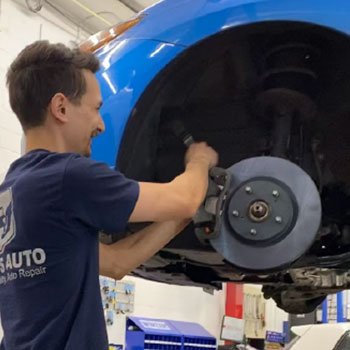
In today’s fast-paced world, having a reliable vehicle is not just a luxury but a necessity. One of the most crucial aspects of vehicle maintenance is ensuring your brakes are in top condition. Brakes are your car’s most important safety feature, allowing you to control speed and stop effectively in emergencies. Searching for “brake service near me” or “mechanic near me” can lead to countless options, but understanding what to look for and why regular brake maintenance matters can help you make the best choice for your vehicle’s safety and performance. This comprehensive guide will cover everything you need to know about brake services, what mechanics do, signs your brakes need attention, cost considerations, and how to find the best brake service near you.
Importance of Brake Maintenance
Brakes are the primary safety system of your vehicle. When functioning correctly, they allow you to stop smoothly and prevent accidents. Neglecting brake maintenance can lead to severe consequences, including longer stopping distances, potential brake failure, and costly repairs. Routine brake checks can help identify problems early, saving you time and money in the long run.
Brake maintenance involves inspecting several components: brake pads, rotors, calipers, brake fluid, and the braking system’s hydraulics. Each part plays a critical role in ensuring your vehicle stops efficiently. Over time, friction wears down brake pads, rotors may become warped, and brake fluid can degrade, reducing braking performance.
Signs Your Brakes Need Service
Knowing when to get your brakes checked is essential. Here are common signs that your brakes require attention:
- Squealing or Grinding Noises: High-pitched squeals often indicate worn brake pads. Grinding sounds can mean metal-to-metal contact, requiring immediate attention.
- Vibrations or Pulsations: If you feel vibrations when braking, your rotors may be warped.
- Soft or Spongy Brake Pedal: A soft pedal may indicate air in the brake lines or low brake fluid.
- Warning Light on Dashboard: Many modern vehicles have brake warning indicators.
- Pulling to One Side: Uneven braking can suggest caliper issues or uneven brake pad wear.
- Longer Stopping Distances: Reduced braking efficiency is a clear sign of problems.
What Does a Brake Service Include?
A typical brake service involves several steps to ensure every component is functioning properly:
- Brake Inspection: Mechanics visually and physically check pads, rotors, and calipers.
- Brake Pad Replacement: Worn pads are replaced with new ones to restore stopping power.
- Rotor Resurfacing or Replacement: Rotors are machined to a smooth surface or replaced if too worn.
- Brake Fluid Flush: Old fluid is replaced to maintain hydraulic pressure.
- Caliper Maintenance: Ensures calipers are free-moving and functioning correctly.
- Test Drive: Verifies the brakes perform as expected after service.
How to Find the Best Brake Service Near You
When searching “brake service near me” or “mechanic near me,” consider the following factors:
- Reputation and Reviews: Look for shops with positive reviews and satisfied customers.
- Certifications: ASE-certified mechanics indicate professionalism and knowledge.
- Warranty on Parts and Labor: A good shop stands behind their work.
- Transparency and Estimates: Get written estimates before work begins to avoid surprises.
- Specialization: Some shops specialize in brakes and may offer better expertise.
Online tools like Google Maps, Yelp, and repair shop websites can help you locate reputable mechanics. Ask friends and family for recommendations to find trustworthy options.
Costs of Brake Services
Brake service costs vary based on several factors:
- Type of Vehicle: Luxury cars often have more expensive parts.
- Extent of Wear: Replacing pads is less costly than full rotor replacement.
- Labor Rates: Rates vary by region and shop reputation.
- OEM vs. Aftermarket Parts: Original equipment manufacturer parts tend to be pricier but offer guaranteed compatibility.
On average, brake pad replacement ranges from $150 to $300 per axle, while rotor replacement can add $200 to $400. A full brake job might cost $500 to $1,000 or more.
DIY vs. Professional Brake Service
Some car owners consider doing their own brake service to save money. While basic tasks like replacing pads can be done at home with the right tools, professional mechanics bring experience and precision. Brake systems are critical for safety, so improper installation can lead to serious risks. Professionals also have access to diagnostic tools and can detect issues that may not be apparent during a DIY job.
Benefits of Choosing a Local Mechanic
Searching for a “mechanic near me” has several advantages:
- Convenience: Close proximity saves travel time.
- Community Support: Supporting local businesses strengthens the local economy.
- Personalized Service: Smaller shops often provide more personalized attention.
- Relationship Building: Developing trust with a local mechanic can lead to better long-term care for your vehicle.
Emergency Brake Services
Sometimes, brake issues occur suddenly. Many mechanics offer emergency brake services to get you back on the road quickly. Towing options, after-hours support, and mobile mechanic services are worth considering if you experience a sudden brake failure or warning light.
Maintaining Your Brakes Between Services
You can prolong the life of your brakes with good driving habits:
- Avoid hard braking when possible.
- Reduce speed gradually instead of abrupt stops.
- Regularly check brake fluid levels.
- Have your brakes inspected during oil changes.
Conclusion
Finding the best “brake service near me” or “mechanic near me” requires research and attention to detail. Regular brake maintenance ensures your safety, saves money, and prevents major repairs. Whether you choose a dealership, independent shop, or a mobile mechanic, prioritize experience, transparency, and quality work. By understanding what brake services involve and recognizing the signs of brake problems, you can make informed decisions and keep your vehicle running smoothly and safely for years to come.
This guide has covered everything from the importance of brake maintenance to cost factors, DIY considerations, and tips for finding a reliable mechanic. Use this knowledge to stay safe and confident on the road.