
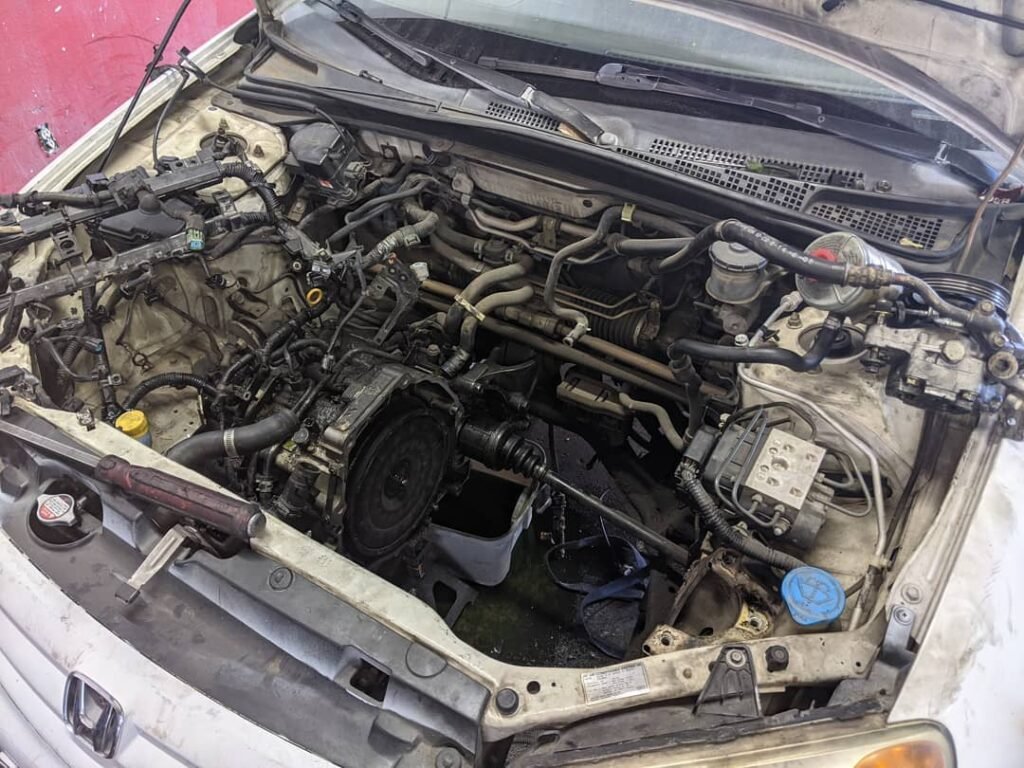
When it comes to vehicle safety and performance, few components are as crucial as your car’s braking system. Finding reliable brake service near me or repair car near me options is essential to maintain not only your safety but also the longevity of your vehicle. In this comprehensive guide, we will explore everything you need to know about brake services, how to identify when your brakes need attention, and how to find trustworthy auto repair shops near you.
Understanding Brake Systems
The brake system in a car is a complex assembly of mechanical, hydraulic, and electronic components designed to slow down or stop your vehicle. Most modern cars use disc brakes in the front and either disc or drum brakes in the rear. The key components include:
-
Brake Pads: Friction material that presses against the brake rotor to stop the vehicle.
-
Brake Rotors: Metal discs that rotate with the wheels and provide a surface for the brake pads.
-
Brake Calipers: Mechanisms that squeeze the brake pads against the rotors.
-
Brake Fluid: Hydraulic fluid that transfers pressure from the brake pedal to the brake calipers.
-
Brake Lines: Tubing that carries the brake fluid from the master cylinder to the brakes.
-
Emergency/Parking Brake: Secondary system to secure your vehicle when parked.
Each component plays a critical role, and even minor issues can lead to significant safety concerns.
Signs You Need Brake Service
Knowing when to seek brake service near me is crucial. Some common signs that your brakes need attention include:
-
Squeaking or Grinding Noise: Often caused by worn brake pads.
-
Vibration While Braking: Usually indicates warped rotors.
-
Brake Pedal Feels Soft or Spongy: Could mean air in the brake lines or low brake fluid.
-
Pulling to One Side When Braking: Might be a sign of brake caliper issues or uneven brake pad wear.
-
Longer Stopping Distances: Reduced braking efficiency is a major safety risk.
-
Warning Lights on Dashboard: Many cars have brake warning lights that indicate issues with the braking system.
If you notice any of these symptoms, it’s essential to find a trusted car repair near me service as soon as possible.
Importance of Regular Brake Maintenance
Brake maintenance is not just about fixing problems when they arise; it’s about preventing them. Regular brake inspections and services offer several benefits:
-
Enhanced Safety: Properly functioning brakes ensure you can stop in time during emergencies.
-
Cost Savings: Preventing damage to other components like rotors or calipers saves money.
-
Extended Vehicle Life: Keeping your braking system in good shape reduces overall wear and tear.
-
Peace of Mind: You’ll drive confidently knowing your brakes are reliable.
Experts recommend having your brakes inspected at least twice a year or every 12,000 miles, whichever comes first.
Types of Brake Services
When you search for brake service near me, you might encounter several types of services. Each serves a specific purpose:
1. Brake Pad Replacement
Brake pads wear down over time and need replacement to maintain stopping power. Replacement depends on driving habits and type of pad.
2. Rotor Resurfacing or Replacement
Rotors can warp due to heat or wear. Some minor warping can be fixed by resurfacing, but severely damaged rotors must be replaced.
3. Brake Fluid Flush
Brake fluid can absorb moisture over time, reducing braking efficiency. A flush removes old fluid and replaces it with fresh fluid.
4. Brake Caliper Repair
Calipers can stick or leak, causing uneven braking. Repairing or replacing them restores proper function.
5. Emergency Brake Service
The parking brake mechanism also requires periodic inspection, especially in vehicles with rear drum brakes.
How to Find Reliable Brake Service Near You
Finding a trustworthy repair car near me or brake service provider is essential for quality work. Here are tips to locate reliable shops:
1. Search Online
Use search engines to find brake service near me or auto repair near me. Check reviews and ratings for credibility.
2. Ask for Recommendations
Friends, family, or coworkers can often recommend reliable mechanics.
3. Verify Certifications
Look for shops certified by ASE (Automotive Service Excellence) or other reputable organizations.
4. Compare Prices
Get quotes from multiple shops but avoid choosing solely on price. Quality matters most.
5. Evaluate Customer Service
Friendly, knowledgeable staff often indicate a well-run shop.
The Brake Service Process
Visiting a professional brake service provider involves several steps:
-
Initial Inspection: The mechanic checks pads, rotors, fluid levels, and calipers.
-
Diagnosis: Identifying worn components or hydraulic issues.
-
Estimate: Providing a cost estimate for repairs.
-
Repair or Replacement: Performing the necessary work.
-
Test Drive: Ensuring brakes function properly after service.
Professional brake services ensure your car is safe and road-ready.
Common Brake Issues and Solutions
Understanding common problems can help you communicate effectively with your mechanic:
-
Worn Brake Pads: Solution – Replace with high-quality pads.
-
Warped Rotors: Solution – Resurface or replace rotors.
-
Leaking Brake Lines: Solution – Replace brake lines and bleed the system.
-
Sticking Calipers: Solution – Repair or replace calipers.
-
Contaminated Brake Fluid: Solution – Flush and refill with fresh fluid.
Brake Service Costs
Costs vary depending on vehicle type, parts, and labor. Here’s a general breakdown:
-
Brake Pad Replacement: $100–$300 per axle.
-
Rotor Replacement: $200–$500 per axle.
-
Brake Fluid Flush: $70–$120.
-
Caliper Replacement: $150–$300 per caliper.
Regular maintenance can prevent more expensive repairs in the long run.
Do-It-Yourself vs. Professional Service
Some car owners consider DIY brake maintenance. While minor tasks like topping up brake fluid are possible at home, most brake repairs should be done by professionals due to safety concerns. Proper tools, expertise, and knowledge of braking systems are essential.
Benefits of Local Brake Services
Using a local shop for repair car near me or brake service near me offers several advantages:
-
Convenience: Quick access in emergencies.
-
Community Trust: Local shops often rely on word-of-mouth recommendations.
-
Personalized Service: Mechanics familiar with your area’s driving conditions can provide tailored advice.
-
Emergency Support: Faster response if issues occur after service.
How Often Should You Replace Brakes?
Brake pad and rotor replacement frequency varies depending on driving habits:
-
Brake Pads: 25,000–70,000 miles.
-
Rotors: 50,000–70,000 miles.
-
Brake Fluid: Every 2–3 years.
Driving style, terrain, and vehicle type can shorten or extend these intervals.
The Role of Technology in Modern Brake Systems
Modern vehicles incorporate advanced braking technologies, including:
-
ABS (Anti-lock Braking System): Prevents wheel lock-up.
-
Electronic Brake-force Distribution (EBD): Adjusts braking power for optimal stopping.
-
Brake Assist: Provides additional braking pressure during emergencies.
-
Regenerative Braking: Found in electric and hybrid vehicles to recover energy.
When seeking brake service near me, ensure the shop is experienced with these technologies.
Choosing the Right Brake Parts
Quality matters when replacing brake components. Consider:
-
OEM (Original Equipment Manufacturer) Parts: Exact match to your vehicle.
-
Aftermarket Parts: Can be cost-effective but ensure compatibility and quality.
-
High-Performance Parts: Suitable for aggressive driving or heavy loads.
Consult your mechanic for the best choice.
Preventive Tips for Brake Longevity
To extend brake life:
-
Drive Smoothly: Avoid sudden braking whenever possible.
-
Reduce Vehicle Load: Excess weight increases brake wear.
-
Check Brake Fluid: Top up if necessary.
-
Inspect Tires: Properly inflated tires improve braking efficiency.
-
Schedule Regular Inspections: Early detection prevents major issues.
Emergency Brake Situations
Sometimes, brakes fail unexpectedly. If this happens:
-
Pump the Brake Pedal: May restore hydraulic pressure.
-
Downshift: Use lower gears to slow down.
-
Use Parking Brake Carefully: Apply gradually to avoid skidding.
-
Steer to Safety: Avoid obstacles and pull over safely.
After any emergency braking, have your vehicle inspected immediately.
Finding “Brake Service Near Me” Online
Online search strategies:
-
Use keywords like “brake repair near me,” “car brake service,” or “emergency brake repair.”
-
Check maps for nearby shops.
-
Read customer reviews and ratings.
-
Look for shops offering warranties or guarantees.
Benefits of Regular Auto Repair Services
Routine car repair services, including brake maintenance, offer benefits such as:
-
Improved Vehicle Performance: Smooth braking improves overall driving.
-
Fuel Efficiency: Properly maintained brakes reduce drag.
-
Safety for Passengers and Pedestrians: Reliable brakes prevent accidents.
-
Resale Value: Well-maintained vehicles retain higher value.
Conclusion
Finding a reliable brake service near me or repair car near me is vital for your safety and your vehicle’s longevity. Regular maintenance, timely repairs, and choosing quality parts ensure your brakes perform optimally. By understanding your braking system, recognizing warning signs, and partnering with trustworthy local mechanics, you can drive confidently, knowing that your vehicle will stop when it matters most.
Investing in professional brake service is not just about avoiding costly repairs—it’s about protecting your life and the lives of those around you. Make brake inspections a part of your routine car care, and you’ll enjoy safer, smoother, and more reliable driving for years to come.