
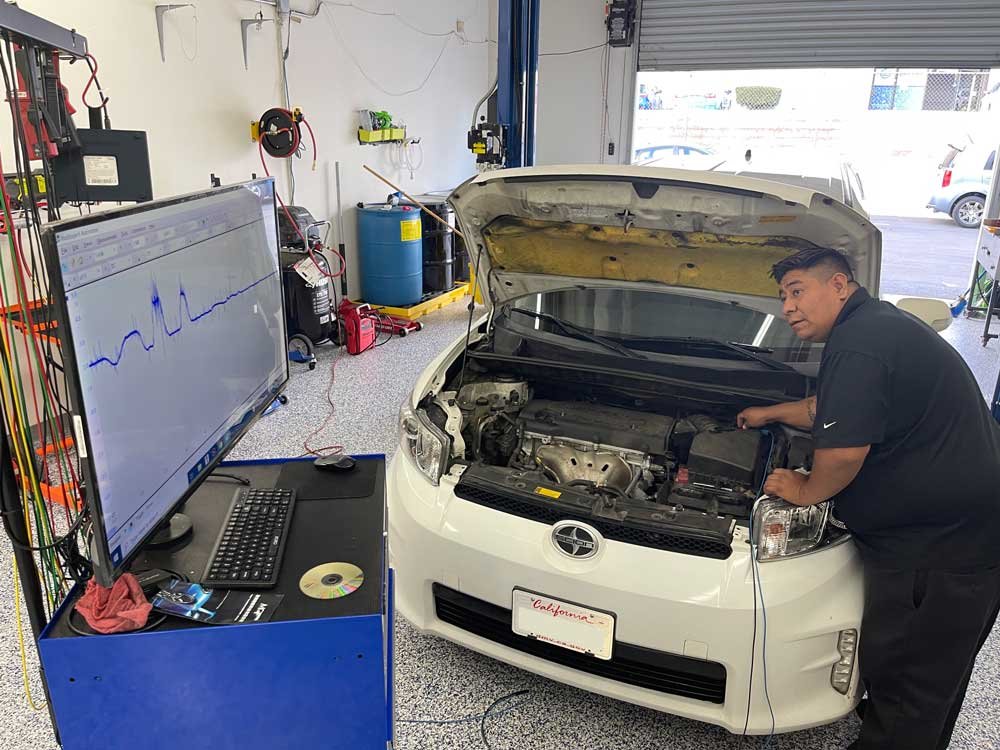
When your dashboard lights up like a Christmas tree or your car just doesn’t feel right, you need answers—fast. A professional car diagnostic centre pinpoints issues quickly, saves you money on guesswork, and gets you safely back on the road. If you’ve been searching for a “car diagnostic centre near me,” this guide explains exactly what to expect, how diagnostics work, what it should cost, and how to choose the right auto repair shop for dependable, transparent service.
What “Diagnostics” Actually Means (and Why It Matters)
Modern vehicles are rolling computers. The engine, transmission, brakes, steering, suspension, air conditioning, battery, and even your seats can be monitored by sensors connected to onboard control modules. Diagnostics is the process of communicating with those modules, reading fault codes, interpreting live data, and performing targeted tests to find the root cause—not just the symptom.
Common signals you need a diagnostic check:
-
Check Engine Light (CEL), ABS, airbag, or battery light on
-
Rough idle, stalling, hard starting, or poor acceleration
-
Reduced fuel economy or unusual exhaust smells
-
Transmission slipping or delayed shifts
-
Overheating or cooling fans running constantly
-
Electrical gremlins: dimming lights, accessory failures, blown fuses
-
A/C not cooling or climate control acting erratically
-
Strange noises you can’t trace
Good diagnostics prevent parts-darts (replacing parts “just to see”), which costs more and wastes time. A credible shop blends scan tools, technical data, and real-world testing to deliver an accurate fix plan.
How a Professional Diagnostic Works—Step by Step
1) Interview & Road Test
A technician starts by listening to your concern, service history, and when the issue happens (cold starts, highway speeds, after rain, etc.). A short road test may replicate the symptom.
2) Preliminary Inspection
Under-hood and under-vehicle checks look for obvious culprits: loose connectors, damaged vacuum lines, low fluids, broken mounts, frayed belts, or corroded grounds.
3) System Scan & Code Retrieval
Using pro-grade scan tools, the tech connects to your OBD-II port (or manufacturer-specific connectors for some systems) and retrieves Diagnostic Trouble Codes (DTCs). Codes are not a parts list; they point to systems and conditions that need further testing.
4) Data Stream & Freeze-Frame Analysis
Live data (oxygen sensor voltages, fuel trims, coolant temp, throttle position, MAF readings, transmission pressures, ABS wheel speeds, etc.) shows how components behave. Freeze-frame captures exactly what the engine saw when a code set, guiding targeted tests.
5) Pinpoint Testing
Depending on the findings, the shop may perform:
-
Smoke testing for vacuum/intake leaks
-
Fuel pressure and volume tests
-
Compression/leak-down for engine health
-
Oscilloscope tests on sensors/actuators (crank/cam, ignition, injectors)
-
Battery/charging/starting system analysis
-
Circuit integrity checks: resistance, voltage drop, continuity
-
EV and hybrid-specific isolation and high-voltage checks (by certified techs)
6) Research & Technical Service Bulletins (TSBs)
Pros consult service information, wiring diagrams, and TSBs to confirm known issues or software updates.
7) Diagnosis Report & Repair Plan
You receive a clear summary: root cause(s), recommended repairs, parts/work estimates, and whether any fault is urgent, should be scheduled soon, or can be monitored.
8) Verification & Quality Control
After repairs, the shop clears codes, performs drive cycles, and confirms that monitors set “ready” and the symptom is gone.
Systems a Diagnostic Centre Can Test
-
Engine Performance & Emissions: Misfires, fuel trims, sensor faults, catalytic converter efficiency
-
Transmission & Drivetrain: Shift quality, solenoid function, pressure control, transfer case issues
-
Brakes & ABS: Wheel speed sensors, hydraulic control units, stability/traction systems
-
Steering & Suspension: Electric power steering faults, ride height sensors, active damping
-
HVAC & Comfort: A/C blend doors, refrigerant sensors, climate control modules
-
Electrical & Charging: Alternator output, battery state-of-health, parasitic draws
-
ADAS & Safety: Airbag/SRS, lane assist, radar/camera faults (recalibration may be required after repairs)
-
Infotainment & Body Controls: Door modules, lighting, keyless entry, window regulators
Diagnostic vs. Inspection vs. Code Read—Know the Difference
-
Free Code Read (Parts Store/Basic Tool): Retrieves generic codes only. Helpful for a quick hint, but it can’t confirm the fix.
-
Inspection (Visual/General): Checks wear items and fluids, looks for obvious damage—not a full diagnostic.
-
Professional Diagnostic (What You Need): Code retrieval + data analysis + pinpoint testing + repair plan. This is the gold standard when a warning light or drivability problem appears.
Typical Pricing & What’s Included
Pricing varies by vehicle complexity and the time required. Expect a diagnostic evaluation fee that typically includes:
-
Interview, road test, and visual checks
-
OBD-II scan and module communication checks
-
Reading codes, freeze-frame, and live data
-
Initial pinpoint testing to isolate the fault
-
A written estimate with repair options
For complex electrical faults or intermittent issues, the shop may quote additional time. The key is transparency: you should know what diagnostic time buys and what the next steps cost before work continues.
Warning Lights: What They Mean (and What to Do)
-
Steady Check Engine Light: Non-urgent but important. Avoid heavy loads; schedule diagnostics soon.
-
Flashing Check Engine Light: Potential catalytic converter-damaging misfire—reduce speed and seek immediate service.
-
Battery/Charging Light: Charging system fault—limit electrical load and visit a shop ASAP.
-
ABS/Brake Warning: Normal braking may work but anti-lock/stability features may be compromised—get inspected promptly.
-
Airbag/SRS Light: Safety systems may not deploy—diagnose and repair quickly.
Common Diagnostic Scenarios & Fix Paths
1) Rough Idle & Poor MPG
Possible causes: vacuum leak, MAF contamination, clogged injectors, weak ignition coils, low compression.
Fix approach: smoke test intake, fuel trims assessment, ignition scope tests; then clean/repair/replace the failing component.
2) Intermittent No-Start
Possible causes: failing crank sensor, weak battery, bad ground, starter relay, security system issue.
Fix approach: voltage drop testing, oscilloscope capture during crank, starter current draw analysis.
3) Transmission Slipping
Possible causes: low/contaminated fluid, solenoid failure, valve body wear, TCM software.
Fix approach: fluid condition check, scan data for line pressure, TSB review, solenoid testing, potential reprogram.
4) A/C Blows Warm
Possible causes: low refrigerant, blend door actuator, pressure sensor, clutch failure.
Fix approach: gauge readings, leak test, actuator calibration, electrical checks.
5) EV Range Drop or Charging Fault
Possible causes: sensor miscalibration, battery pack imbalance, onboard charger issue, HV isolation fault.
Fix approach: manufacturer-certified HV diagnostics, insulation resistance tests, software updates, thermal management checks.
Why Choose a Dedicated Car Diagnostic Centre
Advanced Equipment
Professional scan tools with manufacturer-level access, oscilloscopes, smoke machines, thermal imaging, and test harnesses.
Certified Technicians
ASE- or manufacturer-certified techs who keep up with evolving systems (including hybrid/EV platforms).
Up-to-Date Information
Access to TSBs, wiring diagrams, service campaigns, and OEM procedures.
Transparent Communication
Written reports, prioritized recommendations, and digital inspections with photos/videos so you can see what we see.
Warranty & Support
Quality parts, clear labor warranties, and post-repair follow-ups.
What to Bring to Your Diagnostic Appointment
-
All keys and fobs
-
Recent repair invoices or maintenance history
-
A short description of the symptom (when it happens, noises, smells, weather/temperature conditions)
-
Any accessories or aftermarket mods information (remote start, stereos, tuners)
This context helps the technician recreate the issue and shorten the path to an accurate fix.
How Long Does a Diagnostic Take?
Simple issues can be identified quickly; intermittent or complex electrical faults may require more time and drive cycles. A trustworthy shop will keep you updated with milestones and will not proceed to billable repairs without your go-ahead.
Preventive Maintenance That Reduces Diagnostic Surprises
-
Regular oil and filter changes according to time and mileage, not just the dash reminder
-
Battery testing before seasonal extremes
-
Fluid services for coolant, transmission, brake, and differential at OEM intervals
-
Intake and fuel system cleaning to keep sensors happy and fuel trims within range
-
Software updates (many drivability issues are calibration-related)
-
Visual inspections during tire rotations: look for leaks, broken mounts, worn bushings
Frequently Asked Questions
Q: Can I drive with the Check Engine Light on?
A steady light may be safe for short trips if the car feels normal. A flashing light means misfire—limit driving and seek immediate service.
Q: Will you just read my codes for free?
Generic code reads without testing can mislead. We offer a quick courtesy scan when appropriate, but a full diagnostic is the only reliable way to confirm the fix.
Q: Why do diagnostics cost money?
You’re paying for expertise, professional tools, information systems, and the time it takes to test—not just to plug in a scanner. Accurate diagnostics save money by avoiding unnecessary parts.
Q: Can you diagnose hybrids and EVs?
Yes. Certified technicians follow strict HV safety procedures and use manufacturer-approved equipment.
Q: Will clearing codes fix the problem?
Clearing codes only resets the warning. If the underlying fault remains, the light will return. We fix causes, not just symptoms.
Q: What if the problem is intermittent?
We document findings, capture data when the issue occurs, and may install monitors or schedule a longer evaluation. We’ll always discuss options before committing more time.
What Sets Our Auto Repair Shop Apart
-
Customer-first communication: Plain-language explanations, text/email updates, and approval controls.
-
Digital inspections: Photos and videos of components so you can make informed choices.
-
OEM-level capability: From Euro luxury to domestic trucks and Japanese hybrids, including ADAS and module programming.
-
Clean, organized facility: Because attention to detail shows in our work and your results.
-
Local trust: Consistent 5-star feedback and repeat customers who rely on us for safety and reliability.
The Diagnostic Promise—From First Visit to Final Road Test
-
We listen: no rushing, no assumptions.
-
We verify: reproduce the symptom when possible and inspect the basics.
-
We analyze: codes, data, and targeted tests to isolate the cause.
-
We explain: clear options, transparent pricing, and prioritized recommendations.
-
We repair: quality parts, correct procedures, and torque specs that match OEM guidance.
-
We confirm: post-repair scans, drive cycles, and performance checks.
-
We support: warranties and friendly follow-up.
Tips for Choosing the Right “Car Diagnostic Centre Near Me”
-
Look for certification. ASE badges and factory training matter.
-
Ask about equipment. Can they access manufacturer-specific modules? Do they use oscilloscopes and smoke machines?
-
Demand transparency. Written estimates, time windows, and clear next steps.
-
Check reviews for diagnostic expertise, not just oil changes and brakes.
-
Confirm warranty details on parts and labor.
-
Ask about software/programming ability for modules and ADAS calibration.
A Note on Module Programming & ADAS
Many modern fixes require software updates or module replacements that must be programmed and coded to your vehicle’s VIN. Likewise, repairs that affect cameras or radar (windshield, bumpers, suspension) may require ADAS calibration—static, dynamic, or both. Choose a shop with the tools, targets, and training to handle these jobs correctly; otherwise, you’ll pay twice.
For Fleet Vehicles & Rideshare Drivers
We offer fleet-friendly diagnostics to minimize downtime:
-
Priority scheduling and rapid triage
-
Maintenance planning to prevent unexpected failures
-
Consolidated reporting and cost tracking
-
DOT and safety inspections on request
-
EV and hybrid fleet support
Environmental Responsibility
Accurate diagnostics reduces emissions and waste by repairing the actual fault the first time. We responsibly handle fluids, batteries, and refrigerants, and follow all relevant environmental regulations.
When DIY Makes Sense—and When It Doesn’t
Simple checks you can do before your visit:
-
Confirm the gas cap is tight (a common evap code trigger)
-
Note when the symptom happens and whether weather/temperature matters
-
Check battery terminals for corrosion
-
Listen for obvious vacuum leaks (a hissing sound)
If the light persists or drivability is affected, professional diagnostics is the safest, fastest route to a lasting fix.
Ready to Get Answers?
If you’re seeing warning lights, noticing odd behavior, or just want peace of mind before a long trip, a thorough diagnostic is the smartest first step. We combine advanced tools with expert testing to deliver clear answers, fair pricing, and repairs you can trust.
Call, text, or book online today. Describe your concern, and we’ll schedule a diagnostic evaluation at a time that works for you. Most issues are identified the same day, and we always get your approval before any repair work begins.
Quick Checklist: What You’ll Get with Our Diagnostic Service
-
Professional scan of all available modules
-
Comprehensive visual inspection and road test
-
Data analysis and targeted electrical/mechanical testing
-
Written report with photos/video (when applicable)
-
Transparent estimate with prioritized options
-
Post-repair verification and warranty support
Meta & SEO Snippets (Optional)
Suggested Meta Title:
Car Diagnostic Centre Near Me | Trusted Auto Repair Shop & Check Engine Experts
Suggested Meta Description:
Need a reliable car diagnostic centre near you? We provide advanced diagnostics, clear estimates, and expert repairs for all makes—gas, hybrid, and EV. Book today.
Target Keywords (natural use):
car diagnostic centre near me, auto diagnostics, check engine light, OBD2 scan, engine diagnostics, electrical diagnostics, ABS light, airbag light, EV diagnostics, hybrid diagnostics, module programming, ADAS calibration